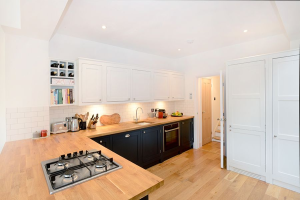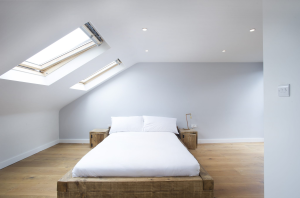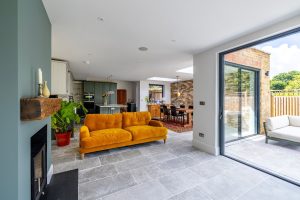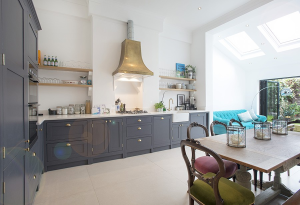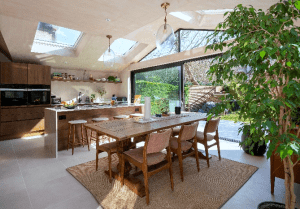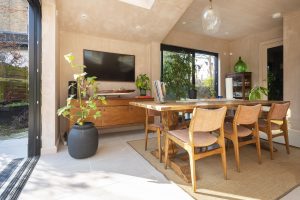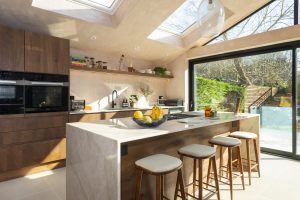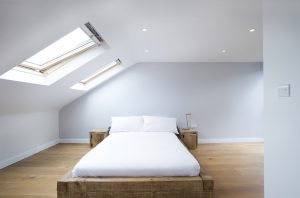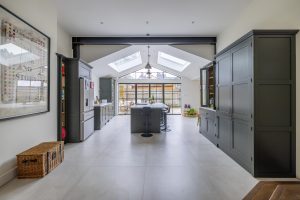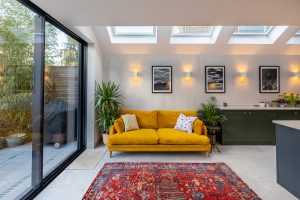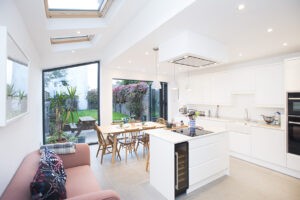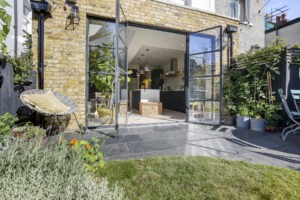

Creating a budget-friendly home extension is not about how to cut corners; it is about building smarter from start to finish.
With material costs stable (but still really sensitive to global supply changes) and stricter energy regulations now in place, the definition of “budget extension” has definitely changed.
Today, a cost-effective extension is one that balances upfront spending with long-term savings – particularly in energy performance and durability.
The good news is that with the right approach to planning, design strategy and construction, you can successfully add valuable space to your home without unnecessary expense or compromising quality.
Setting a Realistic Budget with The 20% Contingency Rule
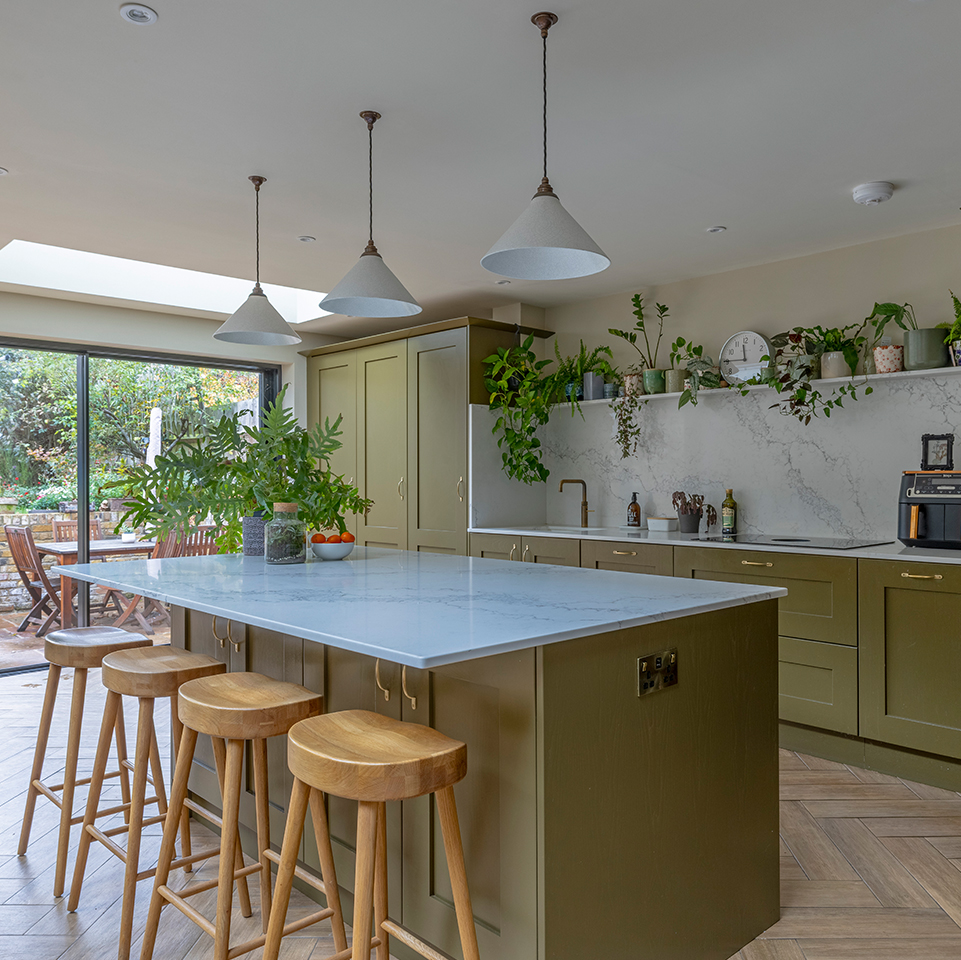
One of the biggest mistakes homeowners make when planning a new extension for their home is underestimating the true cost of the project.
The industry standard is clear – add a minimum 20% contingency fund to the costings. The contingency plan will act as a buffer against any fluctuations in material prices, unexpected expenses for ground or structural conditions and the added costs of design adjustments during the construction phase.
Fixed-Price Contracts: Avoiding Budget Creep
Rather than relying on rough estimates, many homeowners are now opting for fixed-price design and build contracts.
This type of contract offers clear cost certainty from the outset, reduces the risk of any unexpected extra expenses and is a single point of responsibility. These are all very valuable points in a market where even small changes can significantly increase prices.
VAT Savings: A Hidden Opportunity
Certain types of projects may qualify for reduced VAT rates, and this is well worth researching. The type of extensions that qualify are conversions of non-residential spaces (to be used as garages or commercial units, etc.) and those that incorporate some energy-saving measures.
Design for Efficiency – Keep It Simple, Save More
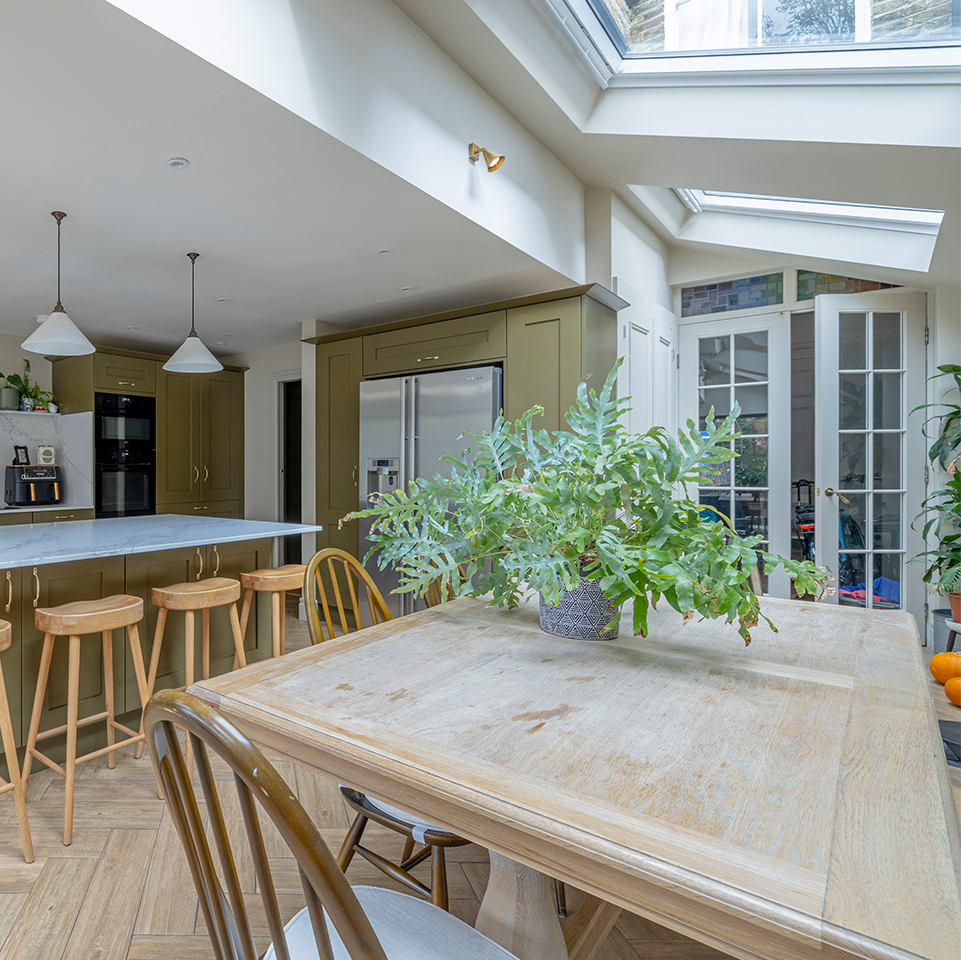
When your new extension is at the design stage is the point where the biggest cost savings can be made or lost.
Simplify the Footprint
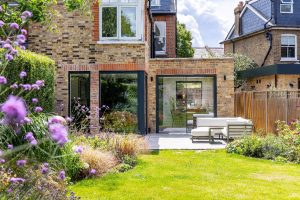
The most cost-effective extensions are those built in simple shapes. These are extensions with rectangular layouts, straight walls and standard roofs.
Extensions with more complex designs, such as L-shaped extensions, curves or multiple angles, are more costly because additional steelwork is required, and this increases material and labour costs.
Keeping the extension design simple can significantly reduce your build budget.
Standardisation = A Smarter Build
Customisation is one of the fastest ways to increase the cost of your project. Bespoke glazing or unusual shapes and dimensions often come with higher price tags and longer lead times.
If you opt for standard window and door shapes and sizes, use off-shelf materials and popular structural spans, you can save a sizeable amount of money in your budget.
Choose Cost-Effective Materials and Finishes
Modern budget designs focus on durability and smart sourcing, rather than simply choosing the cheapest option.
Secondary Market Sourcing
A growing trend is sourcing high-quality items from the secondary market. High-end fixtures such as ex-display kitchens or surplus “mis-measured” high-spec windows are premium quality, but can be bought for a fraction of their original cost from specialist resale platforms.
Industrial Finishes: Stylish and Practical
Some of the most cost-effective finishes are also the most contemporary. They reduce labour and materials while delivering a modern aesthetic and include:
- Polished concrete floors – no need for additional floor coverings
- Exposed brickwork – reduces the cost of plastering
- Simple plaster finishes – those with minimal detailing are fast and effective
The “Shell and Core” Strategy
If you are working to a tight budget, it is worth considering focusing on the structure of the extension first. This strategy spreads costs over time, whilst ensuring the core of your extension is complete and functional. It involves:
- Completing the extension build
- Installing essential services (plumbing, electrics and insulation)
- Delaying decorating and high-end finishes until later, when the budget allows
DIY vs Professional: Where You Can Save
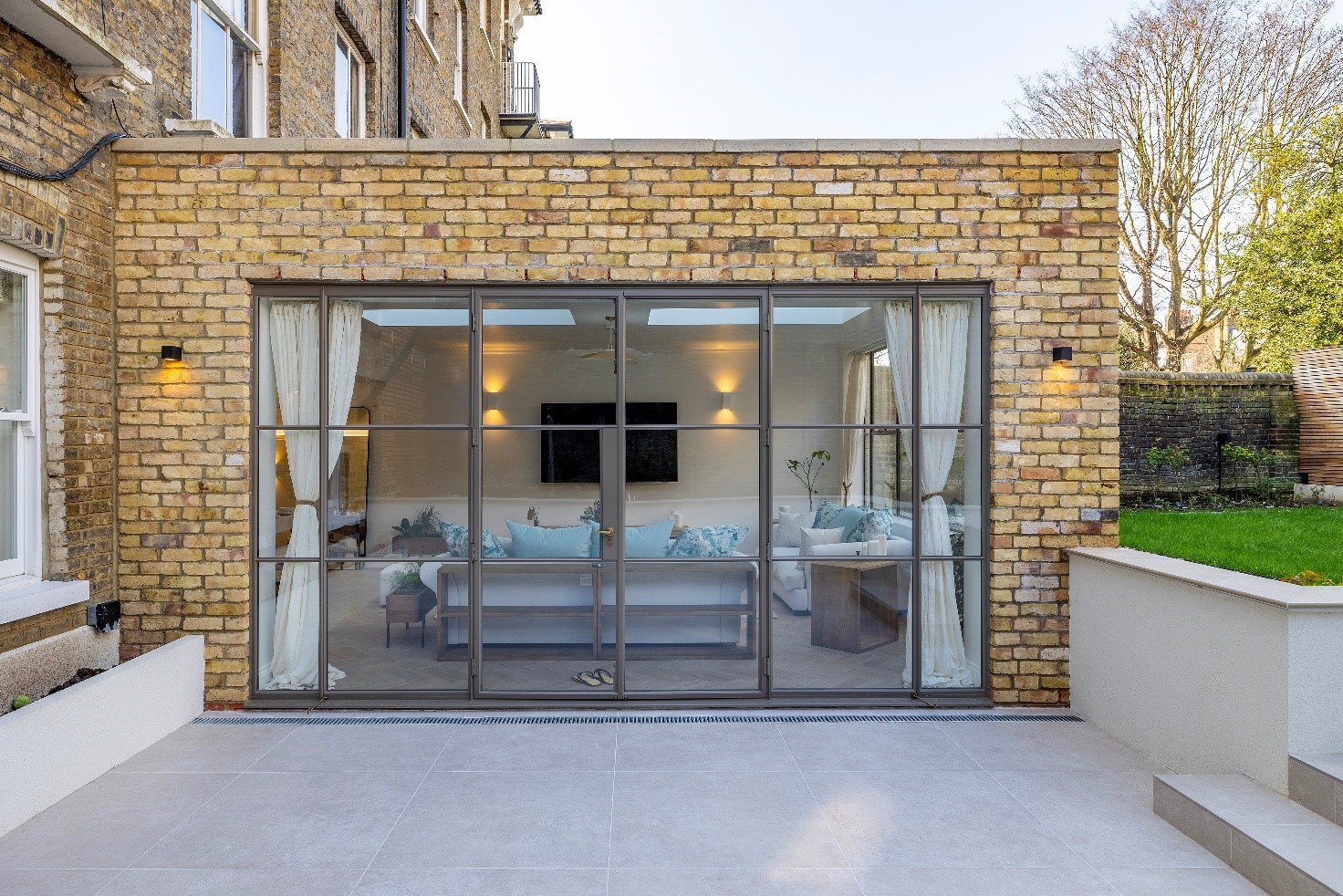
While structural work should always be handled by professionals, there are certain tasks where homeowners can reduce costs.
Act as Your Own Project Manager
If you have the time and organisational skills, taking on a project management role can save approximately 10–15% in contractor fees. However, it requires strong attention to detail and commitment.
This task involves:
- Coordinating trades
- Managing schedules
- Overseeing deliveries
Dry-Prep DIY Tasks
Before work on the construction begins, you can reduce labour costs by handling much of the preparatory work yourself. These tasks are time-intensive but do not require specialist skills and include:
- Clearing the site
- Digging trenches where appropriate
Smarter Waste Management
The cost of waste disposal from your extension project can quickly add up. There are some clever ways to effectively reduce these costs:
- Use a “man and van” clearance service
- Sort materials for recycling
- Minimise skip hire where possible
Eco-Friendly Choices That Save Money Long-Term
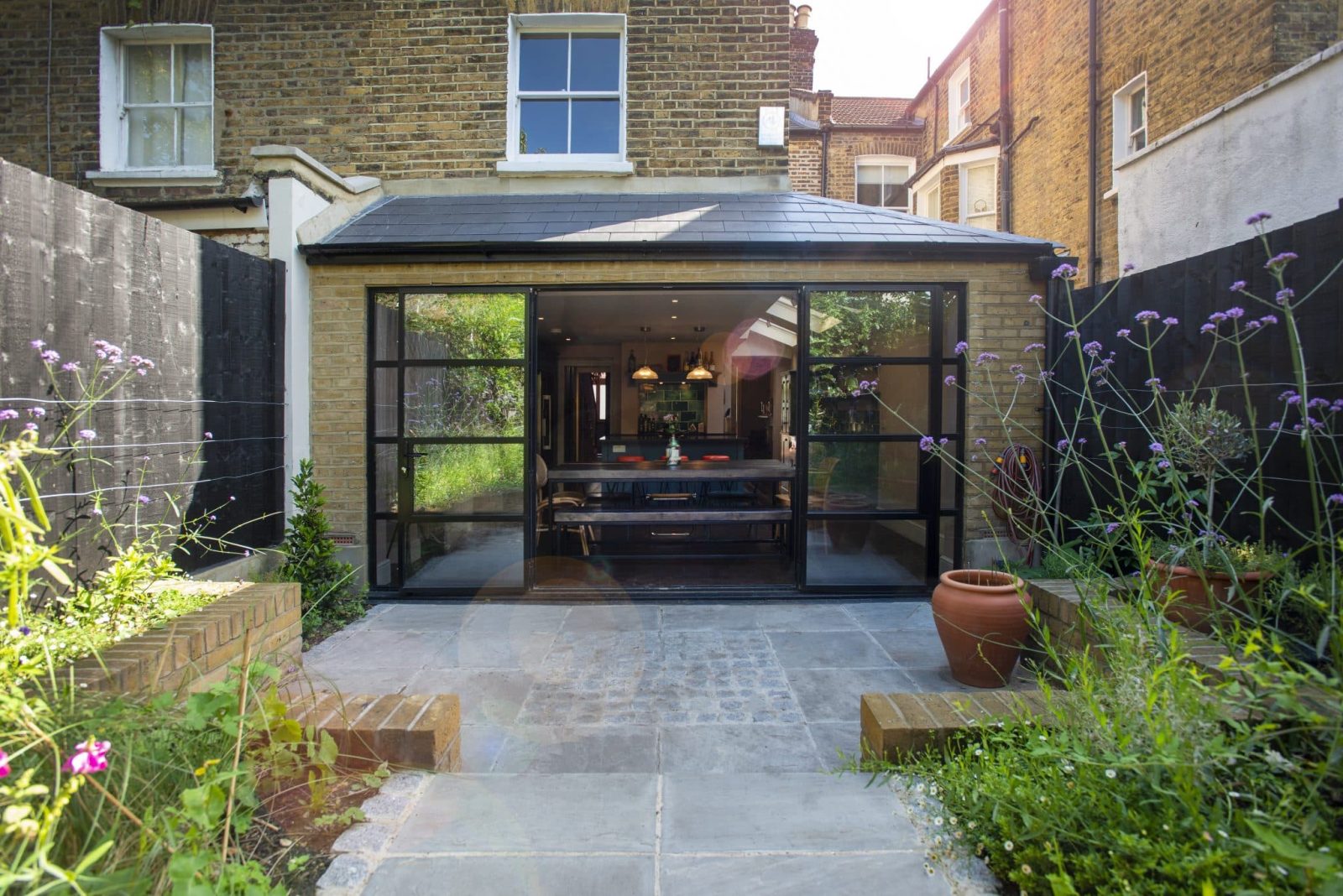
Energy efficiency is no longer viewed as optional, but as a key part of cost-effective building.
Air Source Heat Pump Readiness
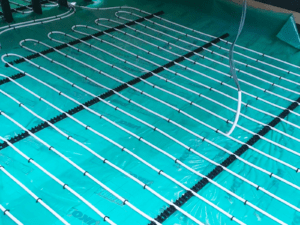
Even if you are not able to install a heat pump immediately, preparing your extension for one to be installed in the future is a smart move, as it avoids costly retrofitting at a later date. This includes:
- Installing suitable pipework
- Allowing space for future systems
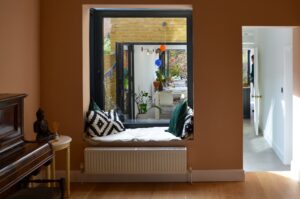
- Choosing appropriately sized radiators
Investing in Good Insulation
Spending slightly more on insulation during construction can deliver significant long-term savings. Good insulation improves comfort and reduces reliance on heating systems. For example, an additional £500 investment in higher-spec insulation can save thousands in heating costs in the long term.
Passive Solar Gain = Free Energy
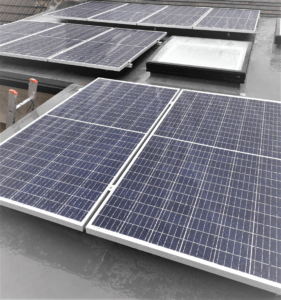
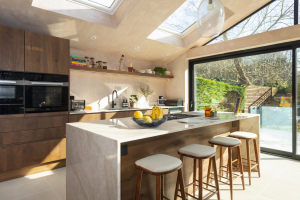
Instead of investing in solar panels, good budget-conscious home extension designs focus on passive solar gain.
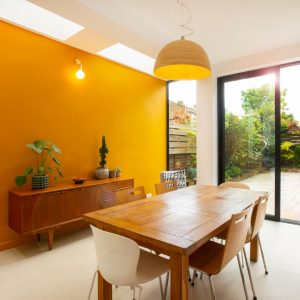
This is a simple but highly effective way to improve energy efficiency. Windows are positioned to capture the optimal amount of natural sunlight. Glazing is strategically placed to help warm the interior, and this reduces heating demands – naturally
Avoiding Hidden Expenses: What Drives Costs Up
Understanding what elements can increase costs helps you avoid unnecessary expense. By addressing these factors early on, you can maintain firm control over your finances. Common pitfalls that can be costly are:
- Complex structural designs
- Bespoke materials and glazing
- Poor early planning
- Late design changes during construction
Maximise Value: Spend Where It Matters
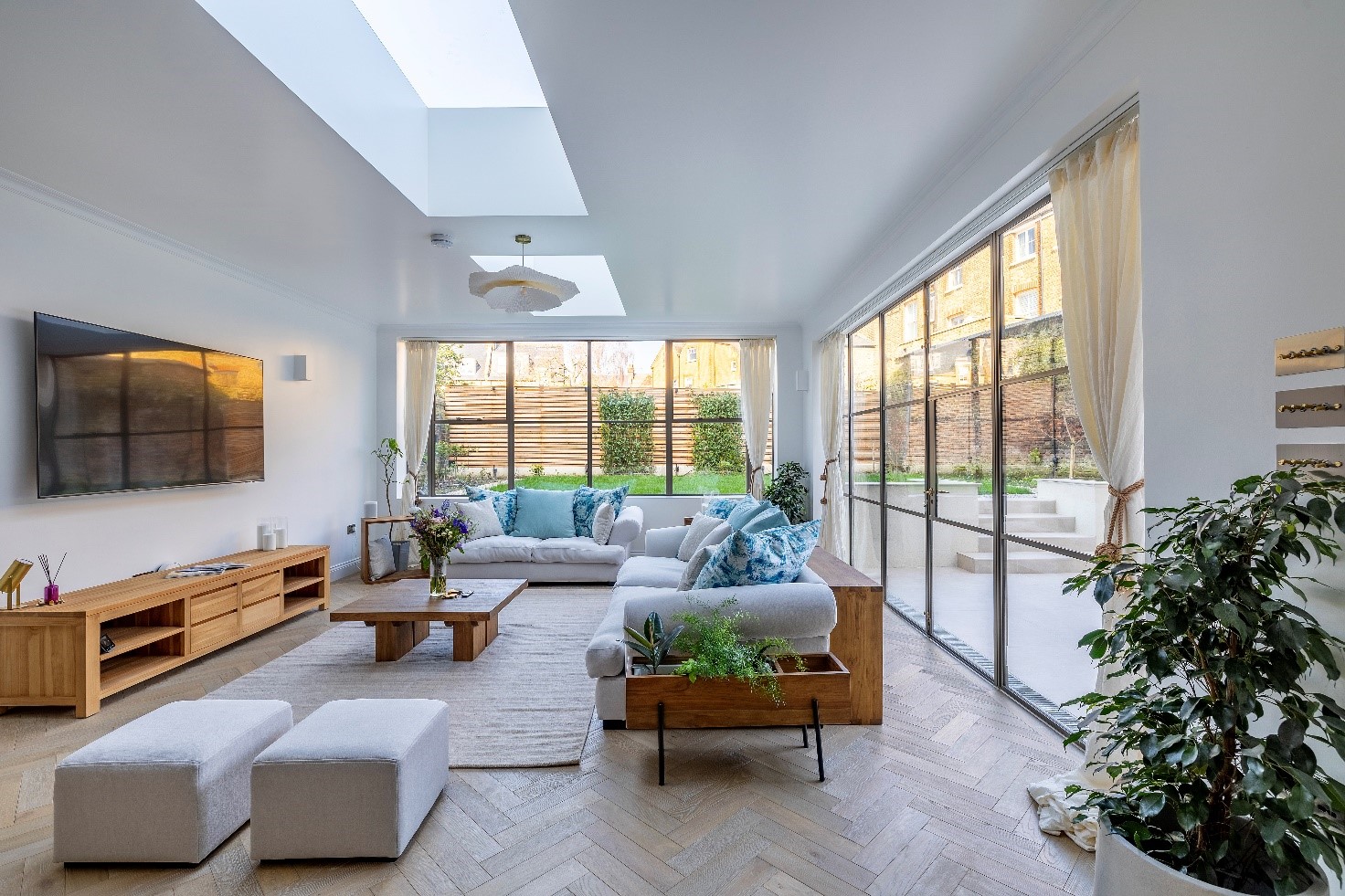
A budget-friendly extension is not about spending less, but it is about spending wisely.
Priority should be given to structural quality, layout efficiency, insulation, and energy performance, as it is these elements that have the greatest impact on the long-term value and usability of the new home extension.
Future-Proofing Your Extension
Even when planning a new extension for your home on a limited budget, it is essential to think ahead and future-proof the extension so that it can be adapted as your family grows and your lifestyle changes and only require minimal upgrades over time.
It is important that your new extension meets all current energy standards, but also upcoming ones too. This ensures your current investment will add value to your property and prove attractive to potential buyers in the future.
Build Smartly, Not Cheaply
A successful budget extension is not defined by how little you spend — but by how effectively you allocate your resources to achieve carefully planned and versatile extra space using the right construction strategy. This will ensure that your extension is both stylish and functional, energy-efficient and has been built to last for many years to come with minimal maintenance.
Start Your Extension the Right Way
At BuildTeam, we help homeowners across London design and build cost-effective, high-performance extensions to their homes.
We have an integrated approach that ensures clear and fixed pricing. We offer efficient design solutions and expert construction, and we deliver on time.
Contact BuildTeam today if you are planning a budget-friendly extension and want to explore the smartest way to achieve it. Building on a budget doesn’t mean to compromise, but it does mean to build better. Our email: hello@buildteam.com, and our telephone: 0207 495 6561.