
In recent years, basement conversions have undergone a complete transformation. They are no longer regarded as secondary spaces or afterthoughts, but as high-performance, design-led environments that often become the most advanced part of the home
From underground wellness suites to fully self-contained primary living spaces, today, modern basements represent a great opportunity to increase both usable square footage of the home and long-term property value.
For London homeowners in particular, where space is limited, and property prices remain high, making moving too expensive, a well-designed basement conversion can unlock entirely new ways of living for your growing family- without the need to move.
Why Basements Are Now Offering Premium Living Space
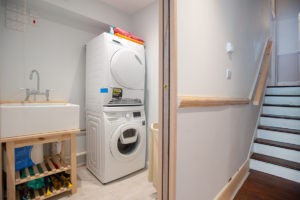
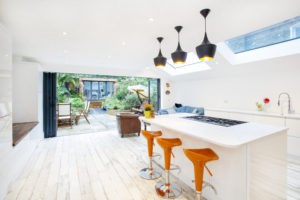
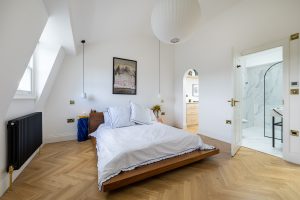
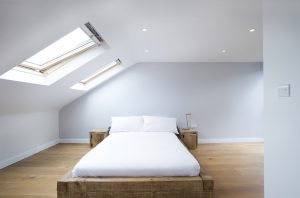
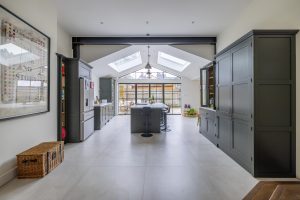
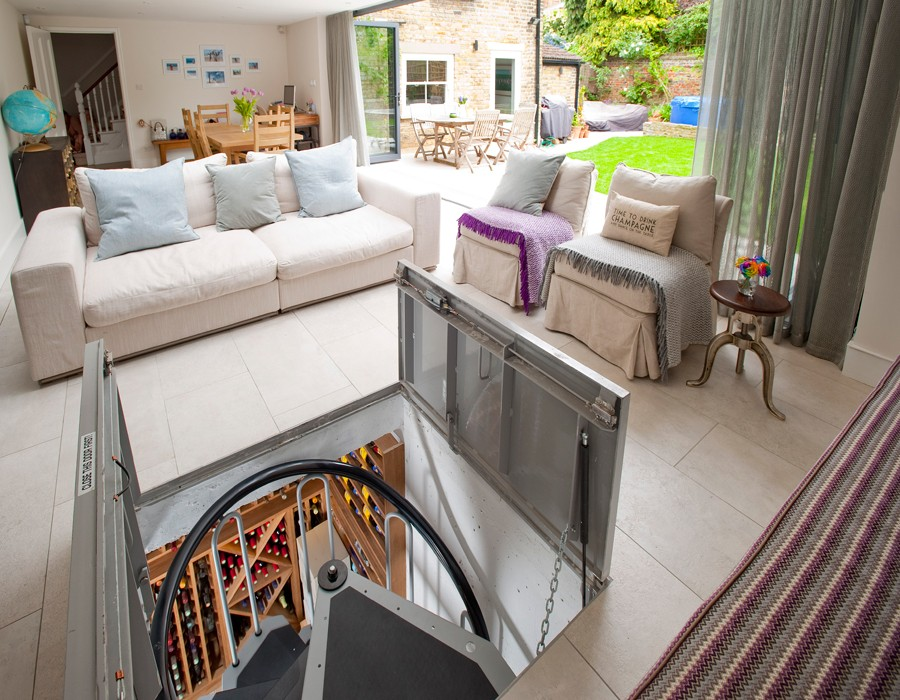
Converting the basement of your home is a smart way to increase floorspace (Photo: BuildTeam)
The perception of house basements has changed dramatically. Today, they are designed as fully habitable, energy-efficient extensions of the main home, often containing:
- Luxury guest suites or multi-generational annexes
- Home wellness spaces with saunas and plunge pools
- Cinema rooms and entertainment zones
- Quiet, acoustically controlled home offices
Crucially, these spaces are no longer compromised environments. Advances in their waterproofing, ventilation and lighting mean that modern basements can now be exceptionally comfort all year round with good air quality.
Planning Your Basement Conversion: What Matters
The first step for making a successful basement conversion begins with thorough and careful planning. This does not mean just its design, but also environmental and structural considerations.
Flood Risk and Damage
One of the most important first steps is to make a full flood risk assessment. This involves reviewing local flood maps and understanding how groundwater levels may affect your project.
Sustainable Drainage Systems (SuDS) are now a key requirement in many London boroughs, as these ensure that water is managed responsibly and does not overload local infrastructure.
Structural Feasibility
Basement conversion projects often involve underpinning or excavation beneath the existing structure. A structural engineer will assess the following points:
- Soil conditions
- Load-bearing requirements
- Its proximity to neighbouring properties
A Precise Budget Plan
Rather than relying on general budgeting advice, modern basement planning requires the addition of a minimum 20% contingency fund to the budget. It is important to remember that basement conversions can be complex projects, so good financial planning is essential.
This contingency fund will cover unexpected expenses incurred by:
- Unexpected ground conditions
- Changes in water table levels
- Structural adjustments needed during excavation
Designing a Modern Basement: Light, Layout and Liveability
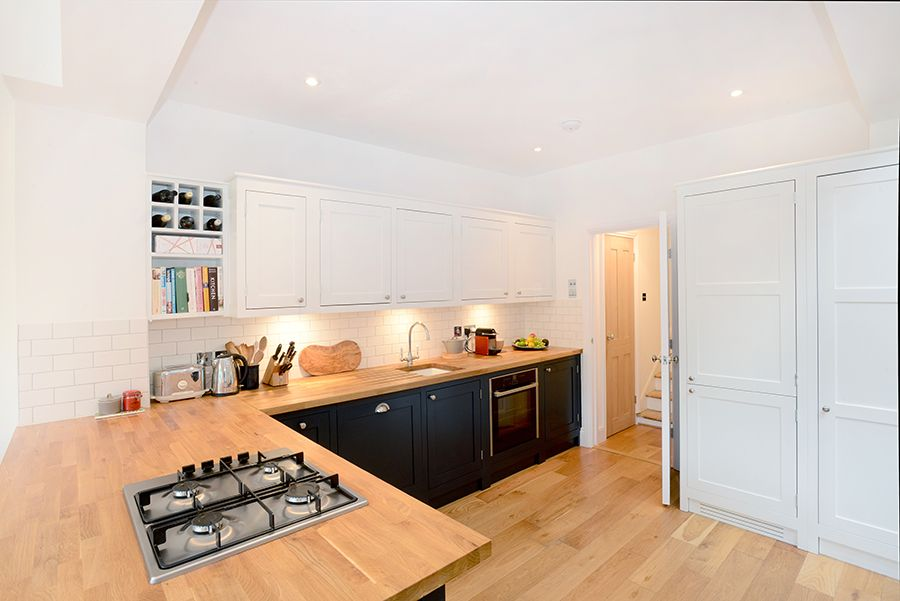
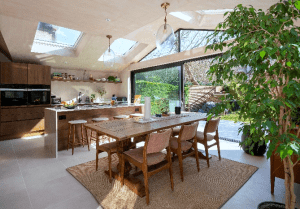
Circadian lighting systems are ideal for basement conversions (Photo: BuildTeam)
Designing a basement is about creating a space that feels as desirable as any above-ground room in the home.
Human-Centric Lighting
With a limited amount of natural light, artificial lighting plays a crucial role in your planned conversion. Modern basements fitted with circadian lighting systems. These are LEDs that can be tuned to mimic natural sunlight throughout the day, being a brighter and clearer light during the working day, and softer with a golden hue to encourage relaxation in the evening
Circadian lighting systems help regulate:
- Sleep cycles
- Mood and wellbeing
- Productivity levels
Clever Layouts: Flexible and Future-Proof
Basements are increasingly designed as multi-functional zones. This is a spacious single space that can transition between:
- Guest accommodation
- Comfortable workspace
- Fitness or wellness area
This versatility ensures the space remains well-used as your and your family’s needs evolve.
Durable, Modern Materials
Material choices for basement conversions must prioritise durability and moisture resistance. The standard includes:
- Luxury Vinyl Tiles are waterproof, hard-wearing and visually versatile
- Polished Concrete is seamless, contemporary and highly durable
These materials outperform traditional timber options in subterranean environments.
Waterproofing and Insulation: The Foundation of Success
Waterproofing is the single most critical element for any basement conversion.
Type C Cavity Drainage Systems
The modern gold standard is the Type C cavity drainage membrane system.
This system involves:
- Installing a dimpled membrane along the walls and floors
- Creating a cavity for water to pass through
- Directing water to a sump pump for safe removal
Rather than attempting to block drainage water entirely, this system manages and controls it and provides long-term reliability.
Insulation for Performance
Basements must also be carefully insulated to maintain thermal comfort. The best way to do this is by using:
- Closed-cell spray foam for airtightness
- Rigid insulation boards for consistent thermal performance
These solutions are effective in preventing condensation and also improving overall energy efficiency.
Energy Efficiency and EPC Impact
A well-designed basement can not only add space to your home, but it can also improve your home’s overall energy performance.
By enhancing insulation and airtightness, basement conversions can contribute positively to your Energy Performance Certificate (EPC) rating. This lowers long-term energy costs and will also increase your property’s value and marketability.
Legal Classification Matters
To maximise the ROI (Return On Investment) of your conversion, your basement must be classified as a habitable room under building regulations.
This verifies that the space is:
- Fully compliant
- Valued correctly in property assessments
- Suitable for long-term residential use
Basement Conversion Ideas
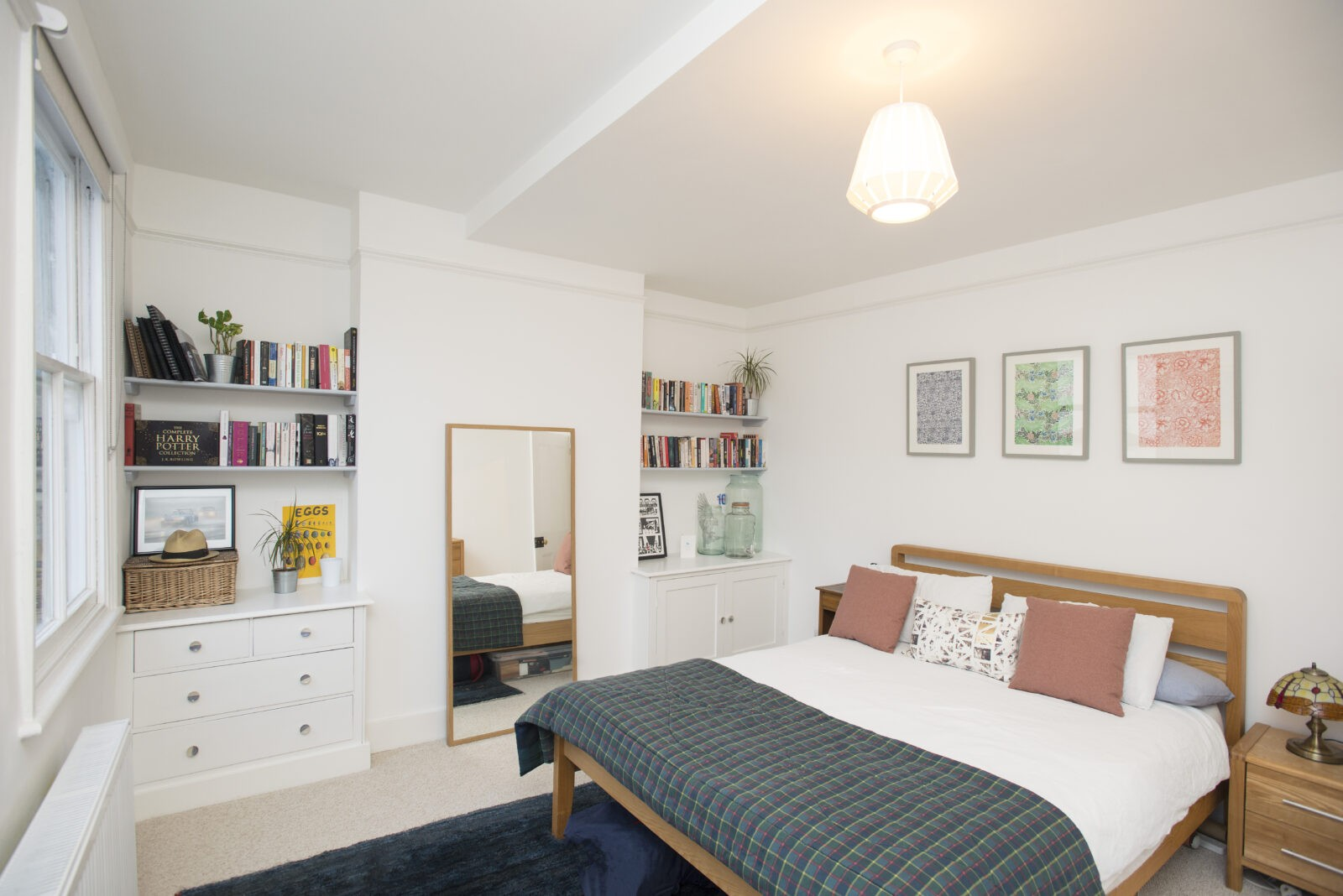
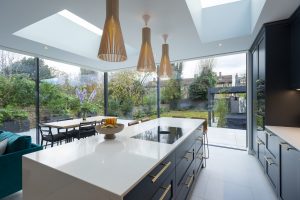
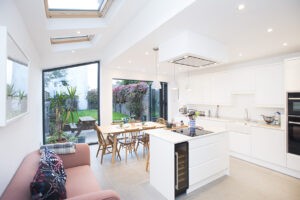
Modern basement conversions are comfortable, stylish and very energy efficient (Photo: BuildTeam)
Modern basements are defined by their versatility and high-spec design.
The Multi-Generational Suite
With rising housing costs, many homeowners are creating self-contained basement annexes with a bedroom and ensuite, compact kitchenette and private living area. These are ideal for both elderly relatives and adult children; this approach adds both functionality and value to the home.
The Wellness Zone
The trending idea for basements is that they are ideal for creating a spa-like environment that offers privacy and acoustic separation. Popular features include infrared saunas, cold plunger pools and meditation spaces as these align with wellness-focused house design.
The Entertainment Hub
Basement spaces are the ideal setting for cinema rooms and gaming lounges, as good acoustic insulation ensures that sound will not travel to the rest of the house.
Creative and Hobby Spaces
Many modern basements are being designed as adaptable creative zones, that are ideal for such activities as art and design, fitness and training and music production.
3 Common Pitfalls and How to Avoid Them
Basement conversions require specialist knowledge in their construction and maintenance to ensure success. Avoiding key mistakes can save a significant amount of time and money.
Radon Gas Testing
Radon is a naturally occurring gas that can accumulate in underground basements. Testing is now a critical safety step to take and required in certain areas of the UK.
Sump Pump Maintenance
If your basement has a sump pump, it must be properly maintained and regularly serviced. Maintenance contracts are often required to keep warranties valid and insurance companies often require proof of maintenance.
Build the Right Professional Team
A successful basement conversion project depends on assembling a team of the right experts: These include:
- Structural Engineer
- Waterproofing Specialist
- Party Wall Surveyor
- Experienced Basement Contractor
This collaborative approach will ensure that every aspect of the build is handled correctly.
The ROI of Basement Living: Space, Value and Longevity
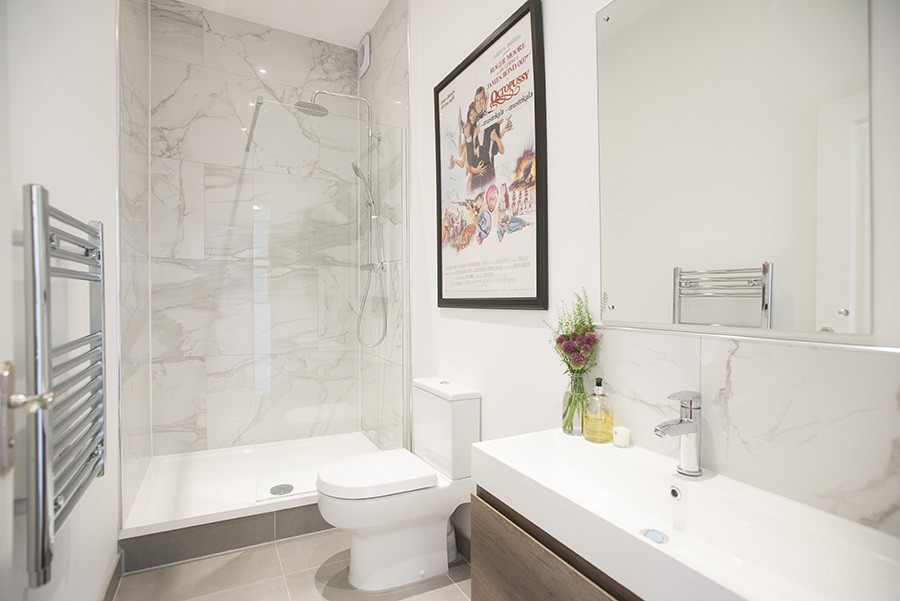
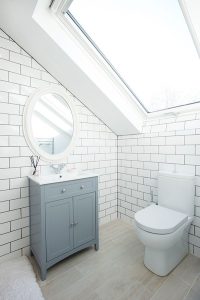
A beautiful bathroom is an important relaxing feature in a basement wellness zone (Photo: BuildTeam)
Investing in a high-quality basement conversion is one of the most effective ways to increase both space in your home and the value of your property in London.
Key benefits of a basement conversion include:
- Significant additional square footage without extending the property outwards
- Enhanced lifestyle flexibility
- Improved energy efficiency for the whole property
- Strong appeal to future buyers
In a market where moving is both costly and disruptive, investing in your existing property with a basement conversion could be the smarter choice.
Unlock the Potential Beneath Your Home
A basement conversion is more than just a construction project, as it presents the opportunity to redefine how well your home functions. When it has been designed well and built to a high standard, your basement conversion will prove to be a high-performance living space and a sound investment in comfort and the value of your property.
The Basement Tech Checklist
The following checklist is essential reading at the design stage, as it will help you to distinguish between a “basic” and a “premium” conversion. The latter will help you maximise your ROI.
| Feature | Basic Conversion | Premium Standard |
|---|---|---|
| Waterproofing | Tanking (Slurry/Cement) | Type C Membrane + Dual Sump Pumps |
| Air Quality | Standard Extractors | MVHR (Mechanical Ventilation with Heat Recovery) |
| Lighting | Standard Pot Lights | Virtual Skylights / Tunable White LEDs |
| Connectivity | Wi-Fi Extenders | Hardwired Cat6a / Integrated Smart Home Hub |
Start with an expert team
At BuildTeam, we specialise in delivering quality, fully integrated basement conversions for London homeowners and work with them from the initial feasibility study through to the completion of construction.
Our expert team ensures every project meets the highest standards of design, performance and compliance.
If you’re considering a basement conversion and want to explore what is possible to create beneath your home, contact BuildTeam today for a tailored consultation. Our email: hello@buildteam.com, and our telephone: 0207 495 6561.