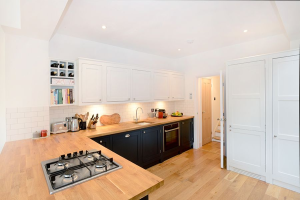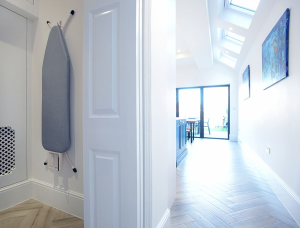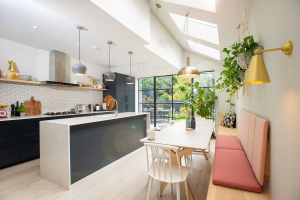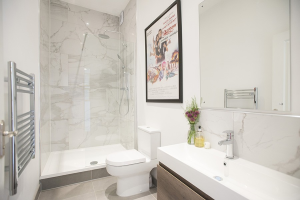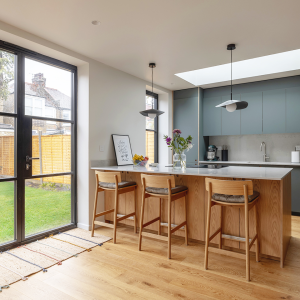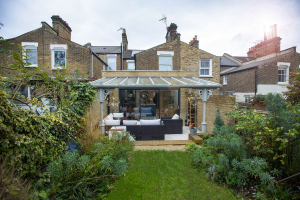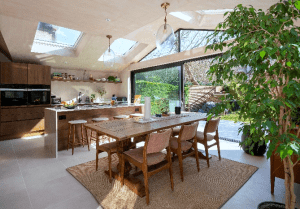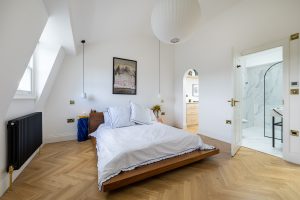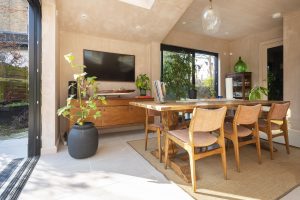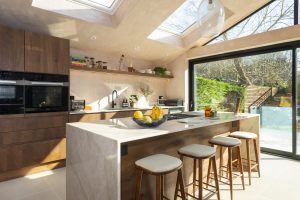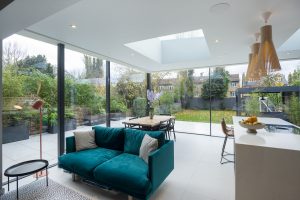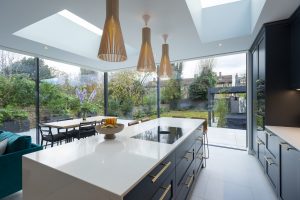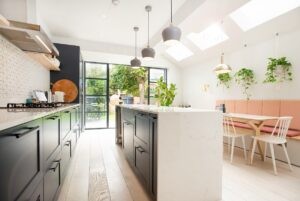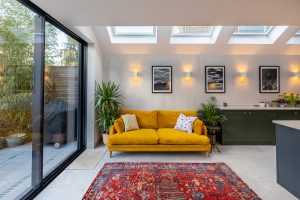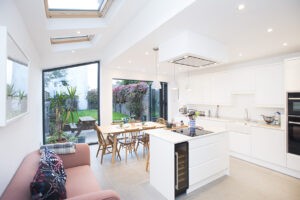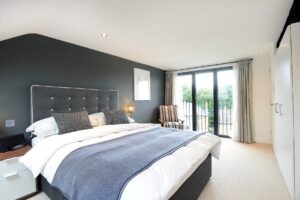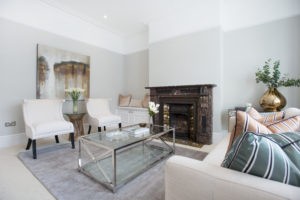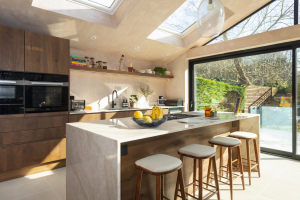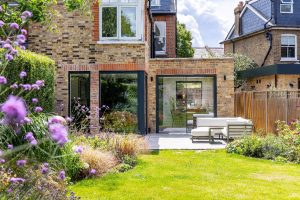

Creating a bright, open extension is about much more than aesthetics. Natural light is directly linked to wellbeing, energy efficiency and property value. A well-designed, light-filled extension can reduce your reliance on artificial lighting, help regulate the indoor temperature and create a positive and uplifting living environment.
It is important that modern designs strike a careful balance. Large expanses of glazing can flood a space with daylight, but without proper planning, they can also lead to overheating of the extension in the summer and heat loss in winter.
Discover how to design a bright, airy home extension. Learn about glazing, solar control, layouts, lighting and materials that maximise light and comfort. From glazing and layout to materials and lighting, our expert tips will help you design a space that feels bright, peaceful and perfectly connected to the outdoors.
The “Light-Maximiser” Comparison Table
Helps you to choose the right “glass-to-wall” ratio for your budget:
| Feature | Best For | Budget Impact |
| Roof Lanterns | Flat-roof kitchen extensions | High (Requires structural framing) |
| Fixed Picture Windows | Framing a specific garden view | Moderate (Cheaper than opening units) |
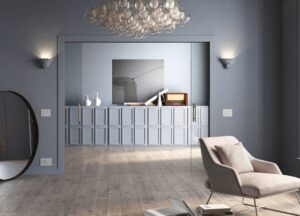
| Internal Glass Doors | Dark middle-rooms / “Broken-plan” | Moderate (Avoids moving load-bearing walls) |
| Solar Control Glass | South-facing, high-glass designs | Low (Essential for comfort) |
1. Strategic Window Placement and Solar Management
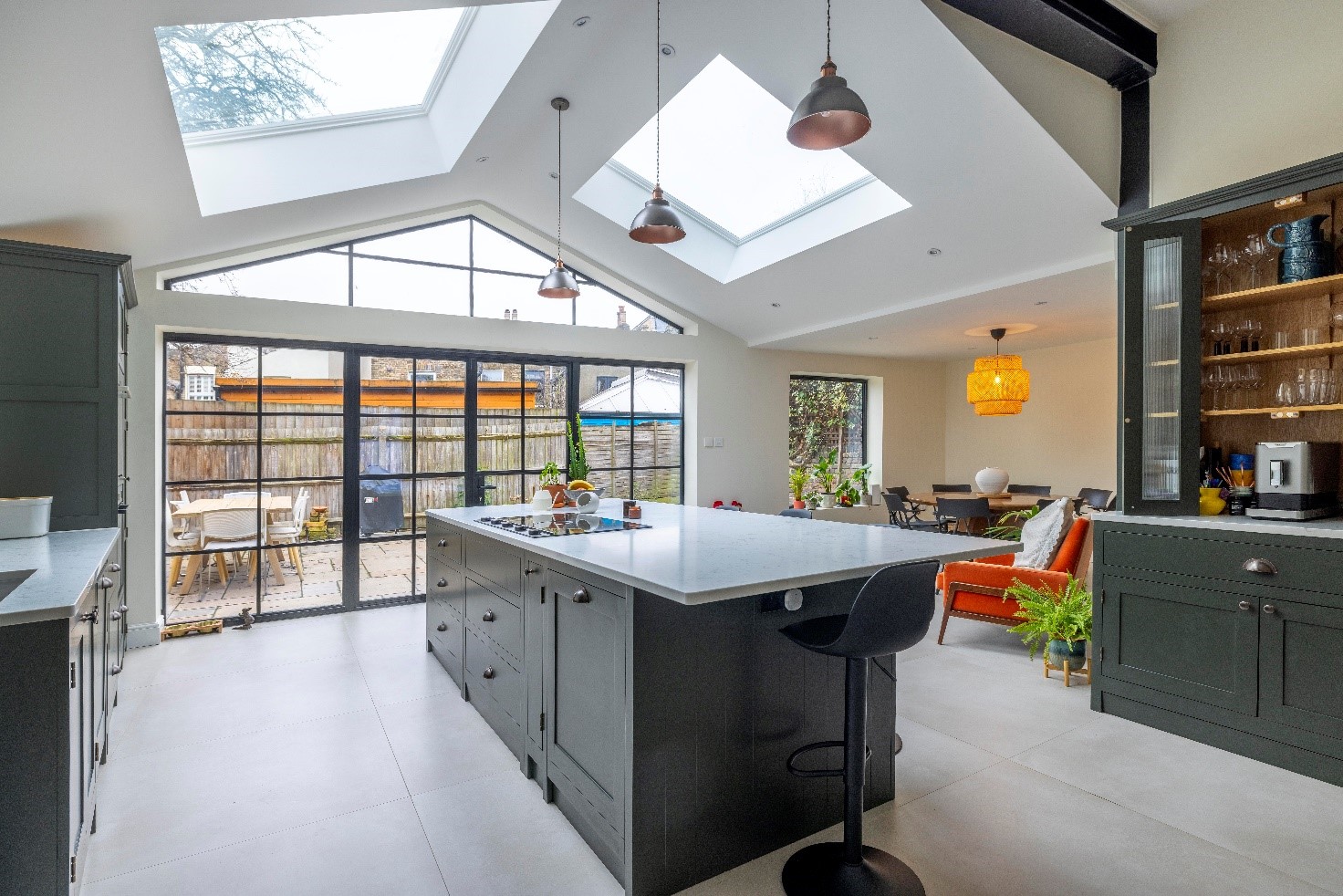
Maximising natural light begins with positioning your windows correctly. This is not just about the window size, but also about its orientation and performance.
South-facing glazing delivers the most sunlight throughout the day, but it must be carefully managed to prevent overheating the interior of your extension. Modern solutions include:
- Solar control glass – to reduce glare and excess heat.
- Brise soleil (external shading) – to block hot summer sun whilst allowing winter light in.
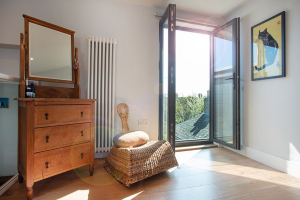
- Slim-profile aluminium frames that maximise the glass area and minimise visual bulk.
North-facing windows provide consistent, but softer light and are ideal for kitchens and workspaces. East and west window orientations offer dynamic morning and evening light.
Pro tip: Think of glazing as a “light strategy,” not just an architectural feature. The right placement can dramatically improve both comfort and energy performance.
2. Choose Light-Reflective Materials to Amplify Brightness
Once light enters your extension, the materials you choose in the space will determine how far the light travels.
The focus is on the use of subtle reflectivity rather than using high-gloss finishes. The goal is to bounce light naturally, but without creating glare.
Key material choices for your extension should include:
- Satin or eggshell paint finishes to gently reflect the light
- Light-toned woods like bleached oak or ash
- Stone and composite surfaces with a soft, honed finish
- Glass splashbacks or partitions to extend sight-lines
Choose a warm neutral palette such as soft beige, clay and off-white, rather than the cooler shades of grey, as this will create a brighter and more inviting atmosphere.
Pro tip: Reflective materials should feel natural and tactile. This aligns with the “warm minimalism” trend, where comfort and light work harmoniously together.
3. Broken-Plan Layouts for Light and Flexibility
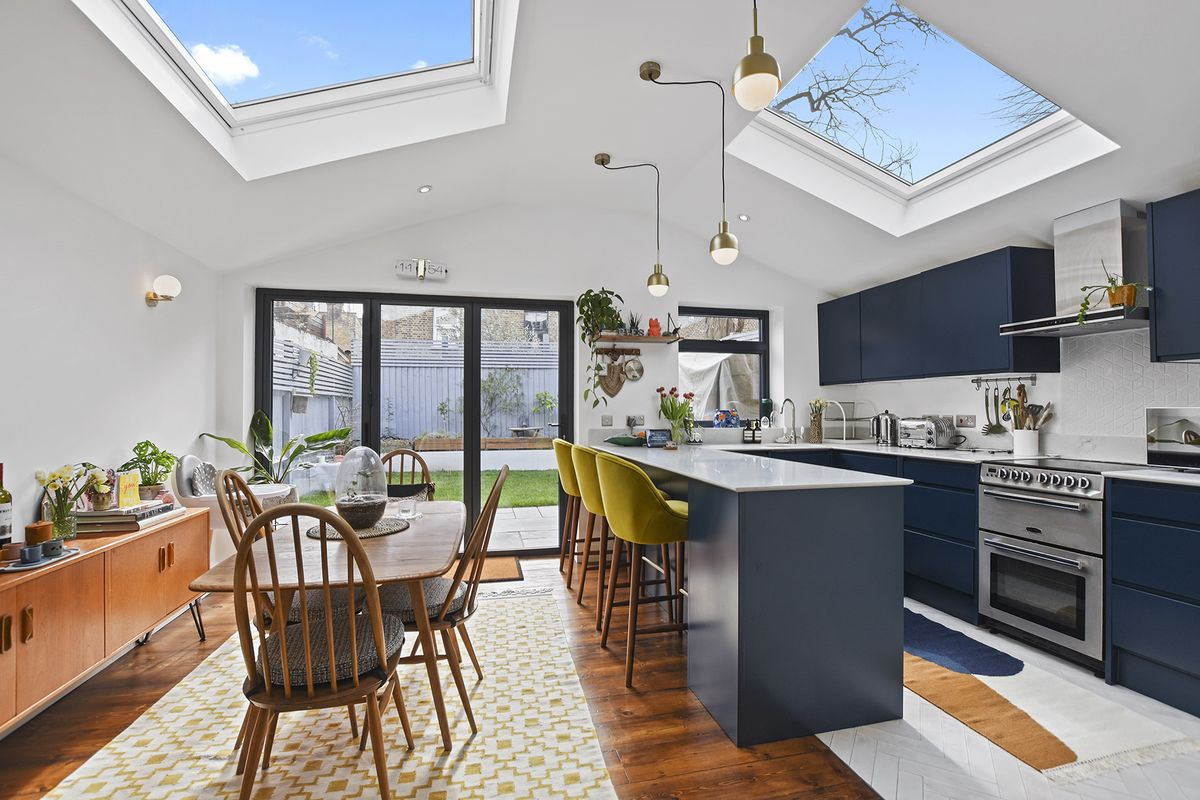
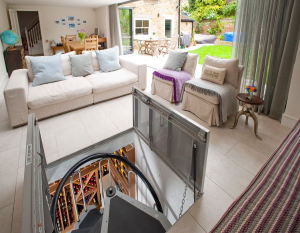
Open-plan living has evolved with “broken-plan” layouts, which cleverly balance openness and structure. Rather than removing all the interior walls, this approach uses subtle zoning to maintain flow while improving functionality in a home.
Popular techniques for zoning include the use of:
- Internal glass partitions or Crittall-style doors
- Partial walls or shelving units
- Changes in flooring or ceiling height
These elements all allow the maximum amount of light to travel freely across the space whilst creating distinct zones for cooking, dining, and relaxing.
Pro tip: Use a broken plan layout to give you the brightness of open-plan living without the noise and lack of privacy. This is ideal for modern family life and working from home.
4. Seamless Indoor-Outdoor Flow
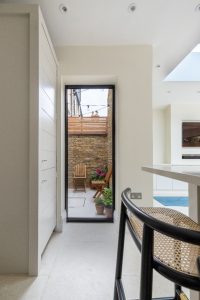
Creating a strong connection between your extension and your garden instantly enhances the feeling of space and airiness.
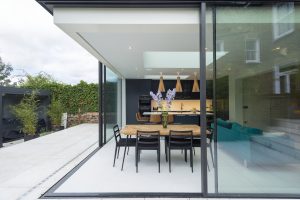
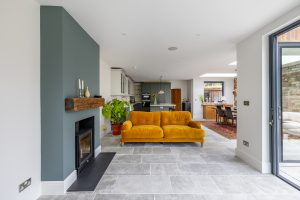
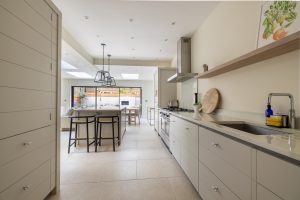
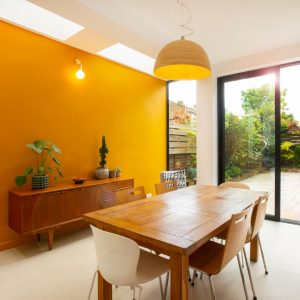
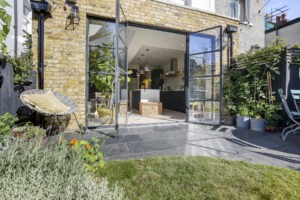
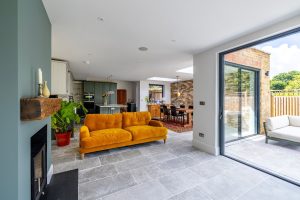
The most effective technique used is ‘level thresholds’, where the interior floor aligns perfectly in height with the outdoor patio and is similar in colouring. This creates a continuous visual plane, making the room feel significantly larger and allowing natural light to penetrate deeper into the home.
To maximise the bonuses of the effect of ‘bringing the outside in:
- Use large-format tiles that flow from inside to outside
- Choose sliding or frameless glass doors for uninterrupted views
- Keep external landscaping simple and aligned with interior materials
5. Use Smart Window Treatments for Light Control
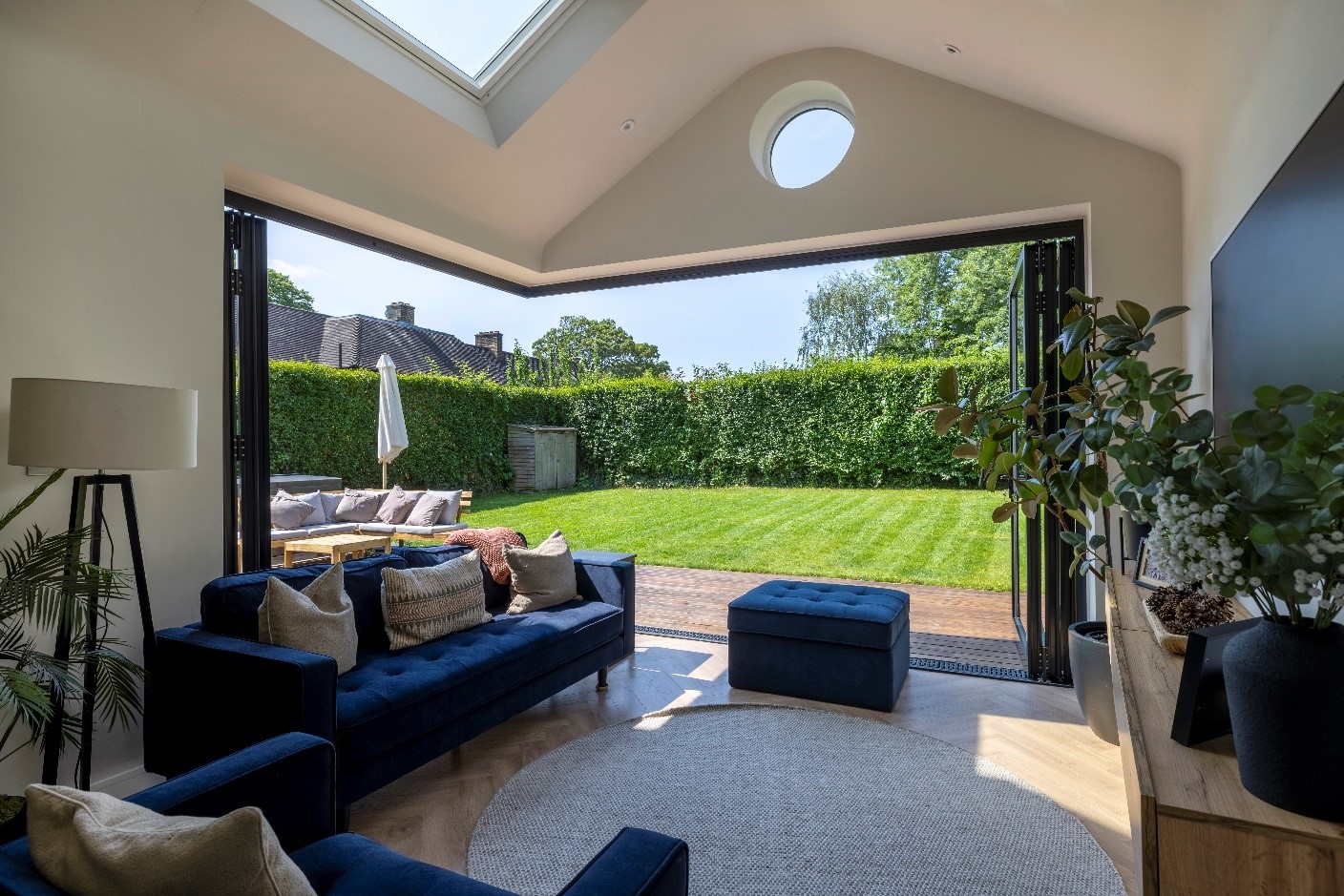
Managing levels of light is just as important as letting light in. Heavy curtains to block out the light are increasingly being replaced by minimal, high-performance solutions that maintain brightness whilst improving comfort.
Top options for light control include:
- Top-down, bottom-up blinds for flexible privacy and light control
- Thermal honeycomb blinds for added insulation
- Sheer roller blinds that soften daylight without blocking it
These treatments all allow you to adjust light levels throughout the day, whilst maintaining a clean, modern aesthetic.
Pro tip: Choose window coverings early in the design process to ensure that they will integrate perfectly with your choice of glazing and layout.
6. Smart Artificial Lighting for Day-to-Night Balance
Even the brightest extension with plenty of natural light will need some well-planned artificial lighting. The focus is on circadian lighting systems as these mimic the natural progression of daylight from sunrise to sunset.
Circadian lighting systems provide cool, energising light in the morning and more neutral tones through the rest of the day. In the evenings, the lighting is warm and relaxing. Circadian lighting boosts mental wellness and can improve sleep.
The best results are achieved by layered lighting:
- Ambient lighting: Hidden LED troughs or ceiling coffers
- Task lighting: Under-cabinet strips or directional spots
- Accent lighting: Wall washers or feature lights
- Up-lighting: Light is directed up towards the ceiling to create a soft glow and works well in extensions with high or vaulted ceilings.
7. Prevent Overheating Whilst Maintaining Brightness
One of the biggest challenges in modern extensions is managing heat without sacrificing light. To address this, designs incorporate:
- High-performance glazing with low U-values
- External shading systems
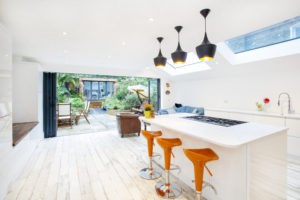
- Natural ventilation strategies, including easy-opening rooflights
- Cross-ventilation where air flows through the space from multiple openings
Pro tip: Overheating is now a key consideration in UK Building Regulations, and this makes it an essential consideration for both comfort and compliance.
8. Skylights and Roof Glazing for Deeper Light Penetration
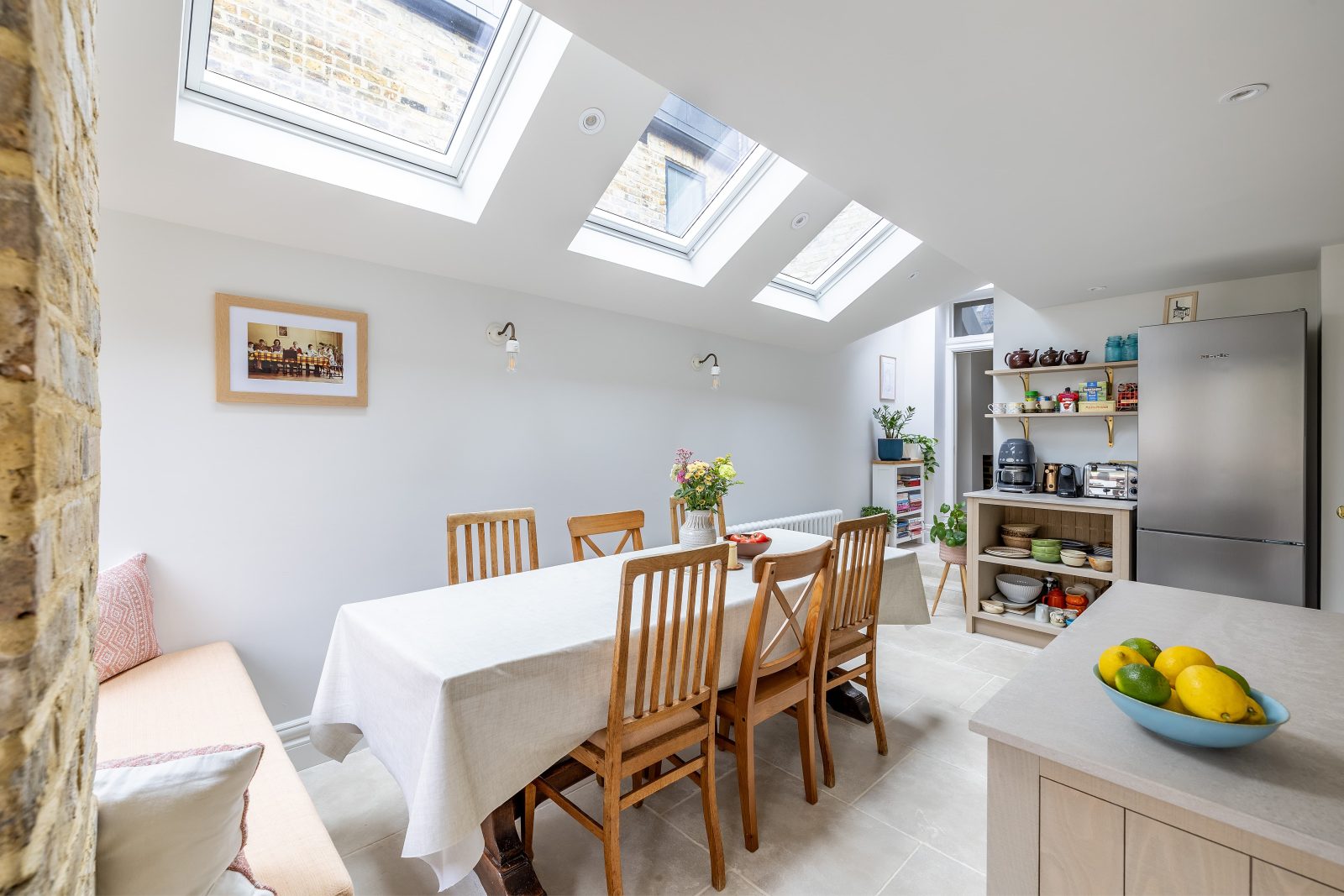
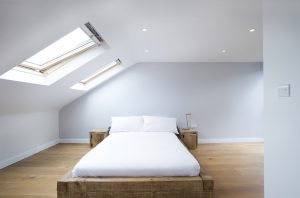
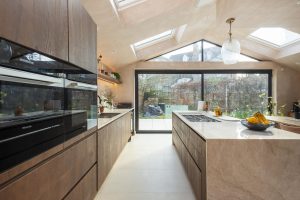
Vertical windows on their own may not give enough light – especially if the extension is deep or narrow. Adding roof glazing can dramatically boost light levels. There are several types of roof glazing to consider:
- Flat roof lights for contemporary extensions
- Lantern roofs for a more traditional look
- Sun tunnels for smaller or enclosed areas
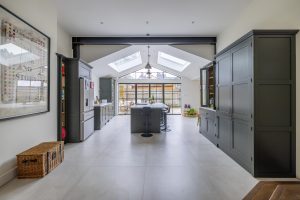
All of these types of roof glazing bring daylight directly into the centre of the extension and reduce the reliance on artificial lighting. They also enhance the feeling of space and airiness.
9. Biophilic Design for a Natural, Spacious Ambiance
Space and airiness is not just visual – it is emotional too. Trending biophilic designs enhance this ambiance by connecting your extension to nature.
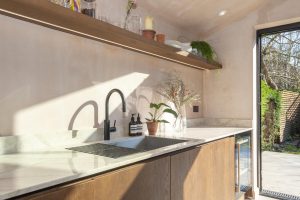
Simple but effective ideas to include in your extension include using natural materials like wood, clay and stone for the interior decoration and soft furnishings and the addition of lush indoor plants or a living wall. Views of the greenery in your garden through large glass windows or doors will improve both air quality and mental wellbeing.
Using biophilic design you can transform your new extension into a calm, relaxing and restorative space.
10. Structural Simplicity Maximises the Flow of Light
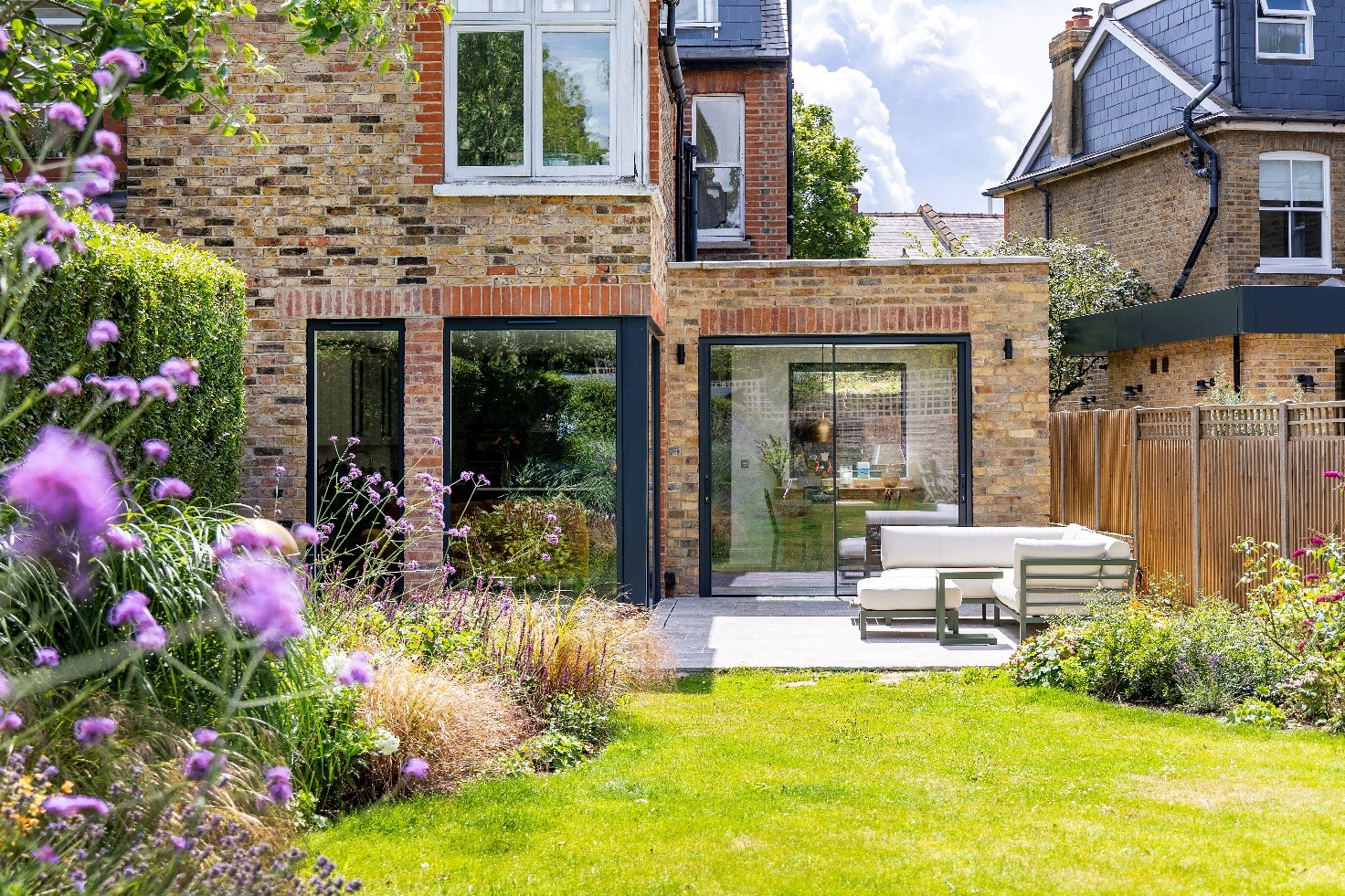
One of the most overlooked factors in creating a bright, airy extension is its structural design.
Try and use a single large steel beam instead of multiple internal pillars. This will allow you to open up sight-lines and let the light travel deep into your extension, without its path being broken. Using this architectural approach will improve brightness and will also create a cleaner, more contemporary look.
Bringing sunlight into your extension is about using intelligent design and not just adding larger windows. By combining strategic glazing, reflective materials, thoughtful layouts and an advanced lighting system, you will create a space that feels open, comfortable and is future-proofed.
The best extensions are those that balance plenty of natural light with comfort. They keep your home bright in winter, cool in summer and enjoyable and practical all year round.
Final Thoughts
If you are planning an extension and want to maximise natural light without compromising the comfort or efficiency of the new space, expert guidance will make all the difference.
Contact Build Team today to discuss your project and receive a tailored quote. Our team of experienced designers can help you create a bright, modern extension that will enhance both your lifestyle and the longterm value of your home. Our email: hello@buildteam.com; our telephone: 0207 495 6561.