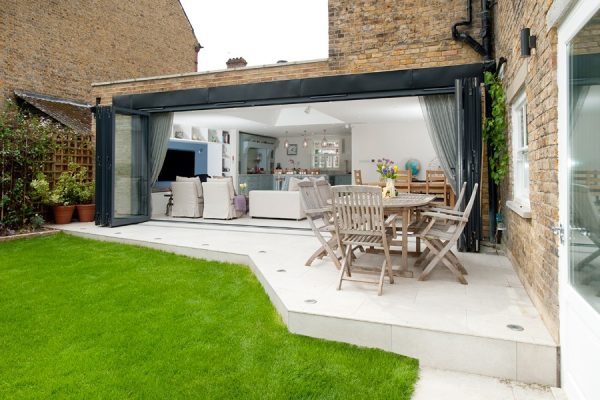
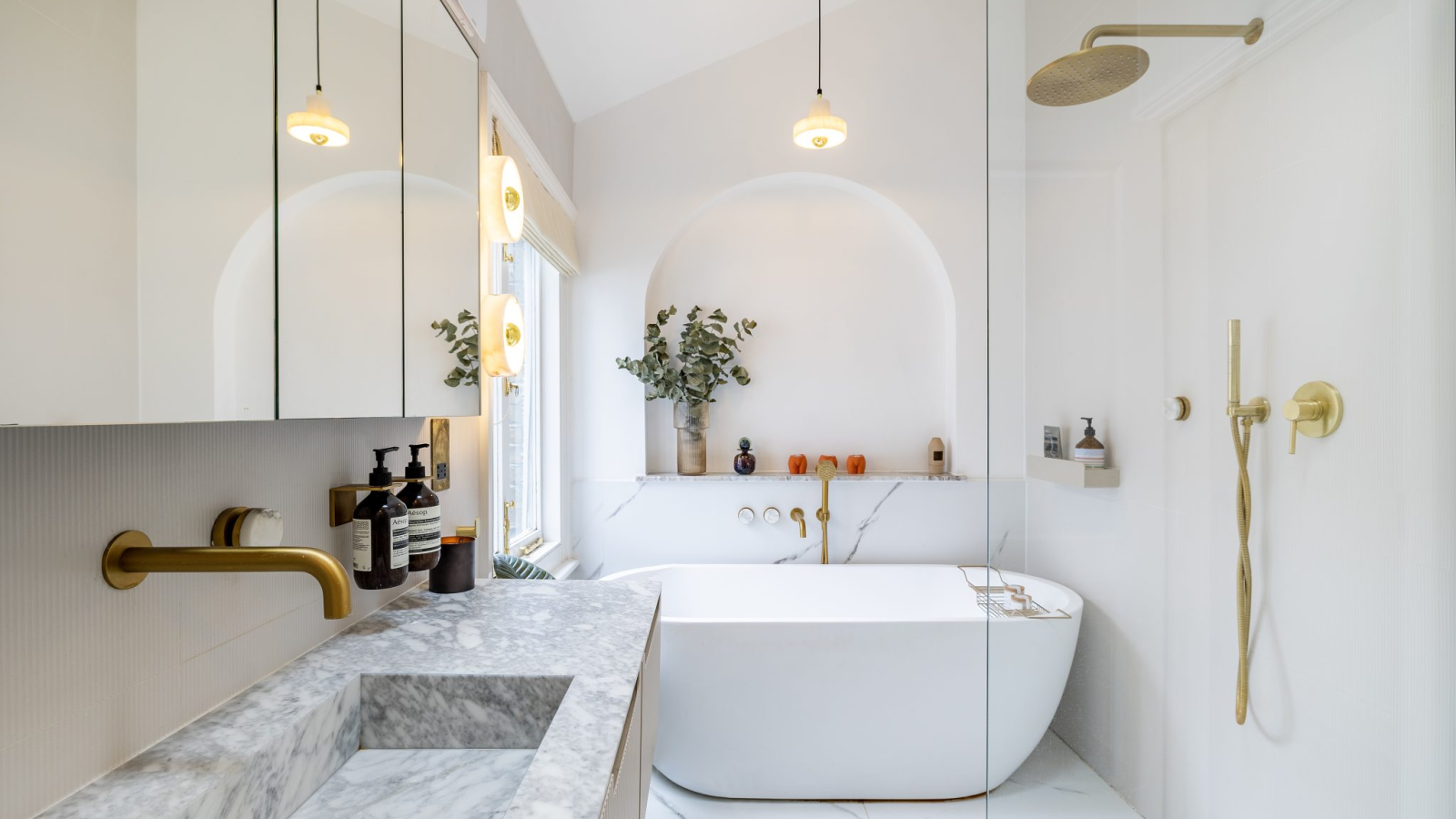
In the early 2020s, the ultimate goal for most homeowners planning extensions in London was a generously sized open-plan kitchen with sliding doors and views of the garden. Since then, there has been a profound shift in ideas.
In 2026, homeowners are no longer designing their extensions purely for entertaining, but also for their well-being. With Londoners facing high-stress lifestyles and urban noise, “Restorative Architecture” has become the most sought-after architectural upgrade for homeowners looking to future-proof their health and their property value.
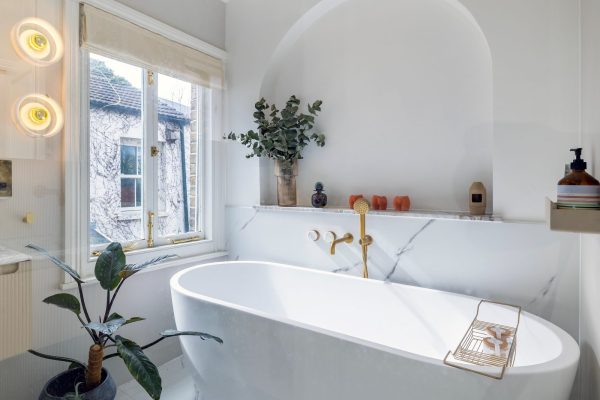
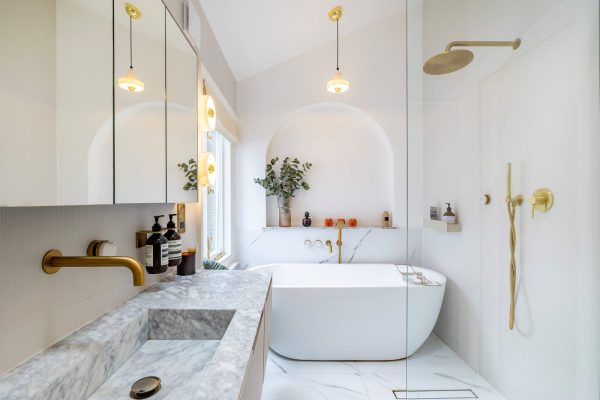
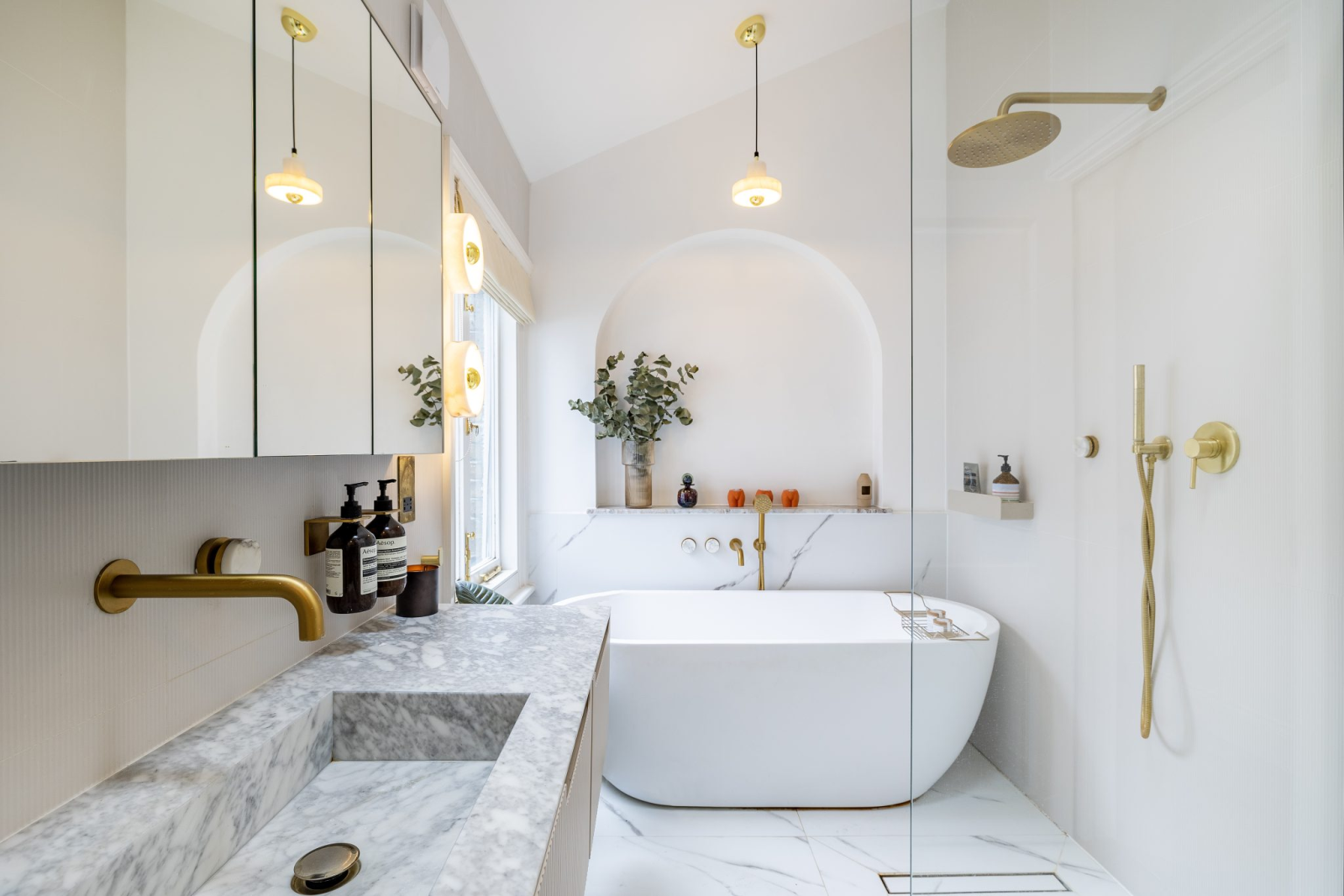
Today, the most popular upgrade is the home wellness suite. This is a dedicated area that is like a sanctuary within the house, that supports physical recovery and mental clarity, is relaxing and reduces everyday stress. These spaces integrate spa-level architectural features such as infrared saunas, cold plunge pools, meditation zones and sensory showers.
For homeowners planning a spa-like bathroom extension in London or a luxury recovery restorative space, the wellness suite is the current evolution in residential design.
Why Wellness Suites Are the New Luxury Standard
Wellness architecture is no longer solely used in luxury hotels and retreats. It is now found in residential designs too. It is driven by two powerful trends: the increasing awareness of mental health and the desire to create restorative environments within the home.
Modern homeowners want spaces that do more than simply function; they want rooms that actively support their well-being.
In London, this shift has been particularly pronounced. Dense urban living, long working hours and constant digital stimulation have led many homeowners to prioritise their wellbeing and have wellness suites incorporated in their homes.
A well- designed and peaceful home wellness suite in the UK might include:
- A spa-inspired bathroom with steam or infrared therapy
- A quiet meditation or mindfulness area
- A cold-water immersion or plunge pool
- Red-light therapy or recovery facilities
Together, these features transform a simple home extension into a personal retreat, designed for daily relaxation and restoration.
Beyond the Bathroom
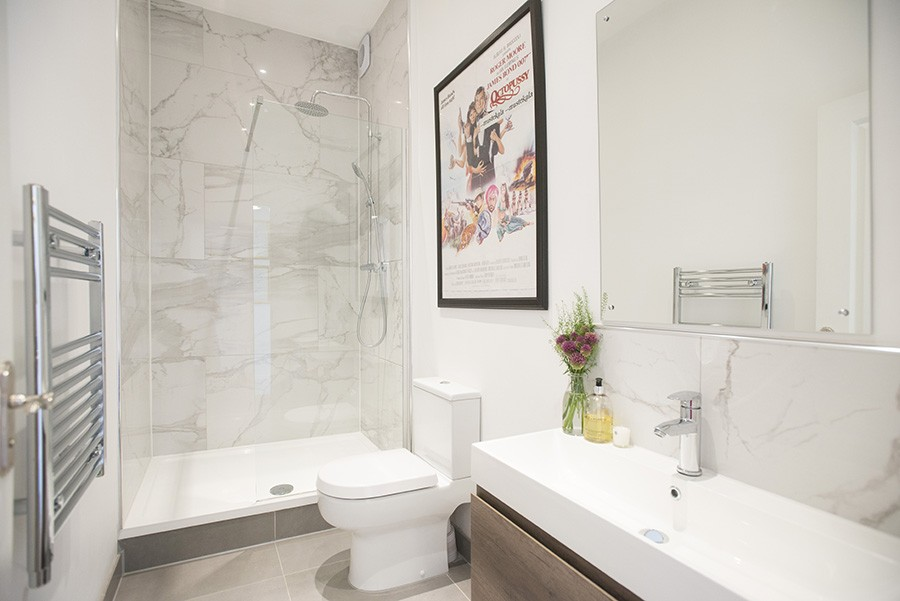
A luxury bathroom alone does not make a wellness suite. The key difference lies in its spatial design. A true sanctuary evokes a sequence of experiences that guide the body and mind from stimulation to deep relaxation.
Many architects are designing wellness suites using the three-zone approach:
1. The Activation Zone
This area focuses on energising the body and may include an infrared sauna, cold plunge pool and hydrotherapy shower. A space for yoga and stretching is a popular addition. All these features stimulate circulation, boost recovery, and increase alertness.
2. The Cleansing Zone
The central bathroom area in a wellness suite often includes sensory rainfall showers, steam showers and natural stone basins. The emphasis is on relaxing sensory immersion, rather than a quick essential shower.
3. The Recovery Zone
The third space is designed for relaxation. With this in mind, the lighting is soft and indirect, and the area is quiet and tranquil. There can be an area for meditation or a daybed, as it is in this area that the body is physically and mentally reset.
The Home Spa Evolution
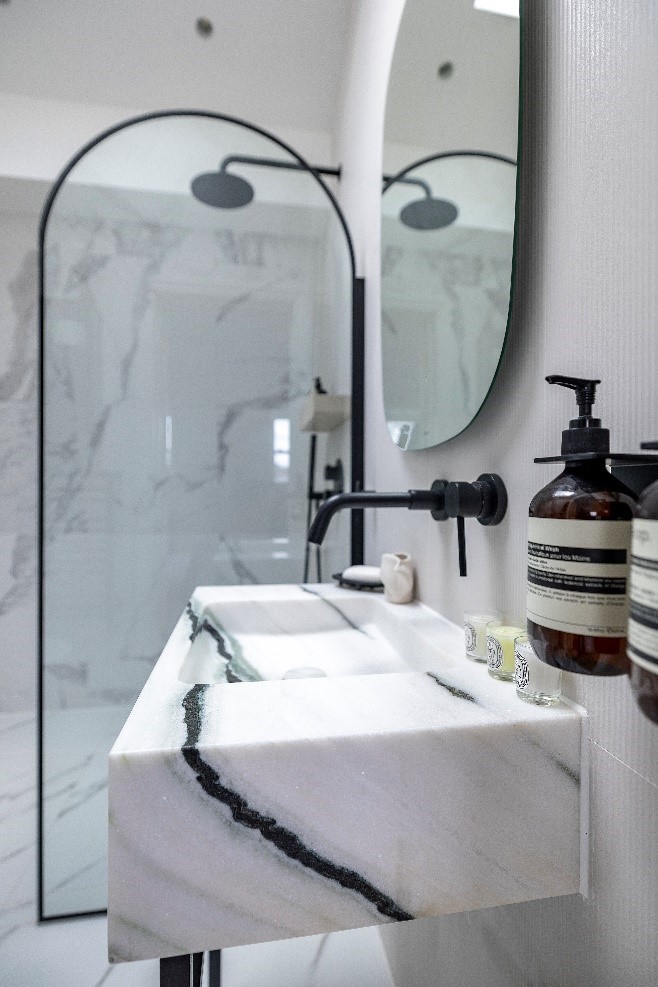
Infrared Sauna
Among the most requested features in a spa-like bathroom extension in London is the infrared sauna. These saunas heat the surrounding air, which warms the body directly. This is not only therapeutic and relaxing, but can improve the circulation, relieve injured muscles and reduce inflammation.
This type of sauna requires less space and operates using lower temperatures, making it a good choice for compact home extensions.
Multi-sensory rainfall showers
This type of shower transforms a daily routine into a relaxing and immersive experience. These advanced shower systems combine wide rainfall heads with body jets for hydro-massage and aromatherapy infusions.
LED chromotherapy lighting helps to create the relaxing ambience of a high-end spa, whilst remaining seamlessly integrated in the modern bathroom design.
Designing Quiet Havens in Busy London Homes
One of the greatest luxuries in a dense city like London is the sound of silence. Wellness suites prioritise acoustic isolation to ensure that these spaces remain calm and quiet even within a busy family home.
Architects achieve this using several successful strategies. These include acoustic good insulation within walls and ceilings, and the installation of solid core doors with acoustic seals. Soft sound-absorbing surfaces such as cork, timber slats or fabric panels are also effective.
In larger extensions, designers may even create floating meditation rooms. These are spaces that are separated structurally from the rest of the house to minimise vibration and sound transfer. The result is a truly tranquil meditation environment, ideal for mindfulness or simply escaping the noise of daily life.
Bio-Hacking the Extension: Cold Plunge Pools and Red-Light Therapy
The concept of “bio-hacking” uses environmental tools to enhance physical performance and recovery and has rapidly been incorporated into residential architecture.
Two features in particular are becoming increasingly popular in luxury recovery rooms:-
Cold Plunge Pools
Cold immersion therapy has gained global popularity because it is an effective way to reduce muscle soreness, boost circulation and improve mood.
Compact plunge pools or deep soaking tubs can be integrated into bathroom extensions or adjacent garden courtyards. When paired with an infrared sauna, the plunge pools offer a contrast therapy cycle widely used by athletes and wellness practitioners.
Red-Light Therapy
Red and near-infrared light therapy has also gained attention for its potential health benefits, which include skin regeneration, reduced inflammation and muscle recovery.
Small wall-mounted panels for red-light therapy can be incorporated into wellness suites, to be used for short recovery sessions as part of a daily wellness routine.
Using Mineral Textures and Earth-Based Palettes for Sanctuary Aesthetics
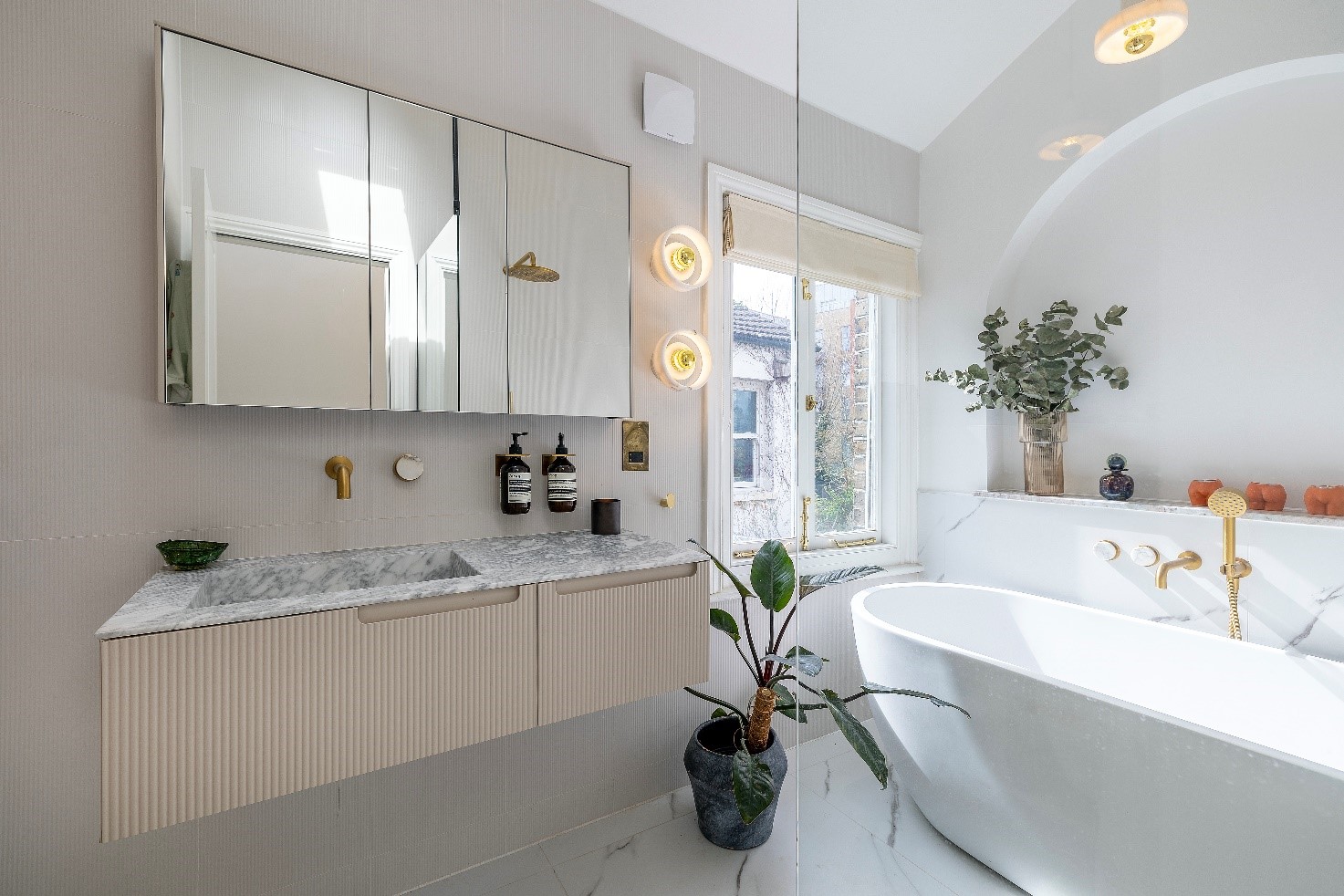
The psychological impact of the materials chosen for a meditation room plays a crucial role.
Rather than glossy surfaces and highly polished finishes, earth-inspired materials create a sense of calm and are grounding. Popular choices include raw limestone or travertine tiles and clay plaster walls. Natural oak or cedar timber, textured stone basins and hand-crafted ceramic fixtures all add warmth and tactile depth to the space.
Colour palettes favour soft mineral tones, such as shades of sand, warm greys, clay neutrals and muted greens that mirror the colour of moss and other natural foliage.
All these elements help to create an environment that calms and relaxes the brain.
Digital Detox Designs
One of the more surprising trends in modern wellness architecture is digital detox design.
It is a proven fact that constant smartphone notifications and wireless signals contribute to mental overload. As a result, some homeowners are now opting for signal-reduced ‘digital detox’ meditation rooms within their home extensions. There are various ways this can be achieved, including designing the space with no televisions or smart assistants or by concealing screens and controls.
Even simple design elements such as warm lighting and soft furnishings, plus candles or water elements, will encourage users to disconnect from digital distractions in a space that promotes mental stillness and mindful presence.
An Investment In Well-Being
Beyond the personal health benefits, wellness-focused architecture is also becoming a strong long-term property investment.
Luxury buyers are increasingly favouring homes that include wellness spaces designed to support long-term physical and mental health. They have a distinctive appeal in high-end properties in competitive London markets.
A carefully designed home wellness suite in the UK not only enhances the family’s lifestyle, but it can increase the resale value of the property – particularly in urban areas where space is limited.
Designing the Home Sanctuary of the Future
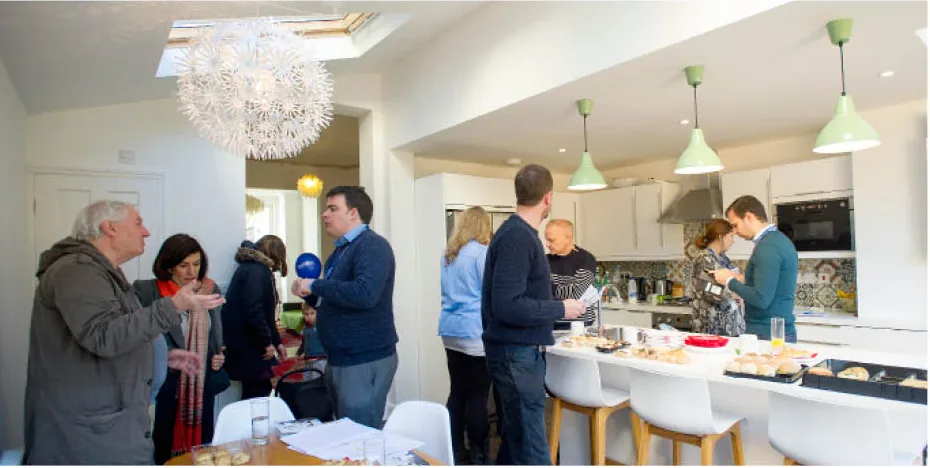
The role of the home is quietly changing and expanding. It is no longer viewed as simply a place to eat, sleep and socialise with friends, as it is quickly becoming a complete environment for living well. Kitchens remain the social heart of many homes, but private wellness suites in the home are their physical and emotional focus.
By integrating spa-inspired features with acoustic calmness, natural materials and dedicated spaces for mindfulness, homeowners can create a tranquil space that supports recovery, resilience and balance.
If a space designed to help you breathe, slow down and restore sounds appealing, why not contact BuildTeam to discuss ideas and get a tailored quote? Our experienced design team has been quietly transforming homes across London into private spa retreats that boost the property’s long-term ROI.
Our email: hello@buildteam.com, and our telephone: 0207 495 6561.