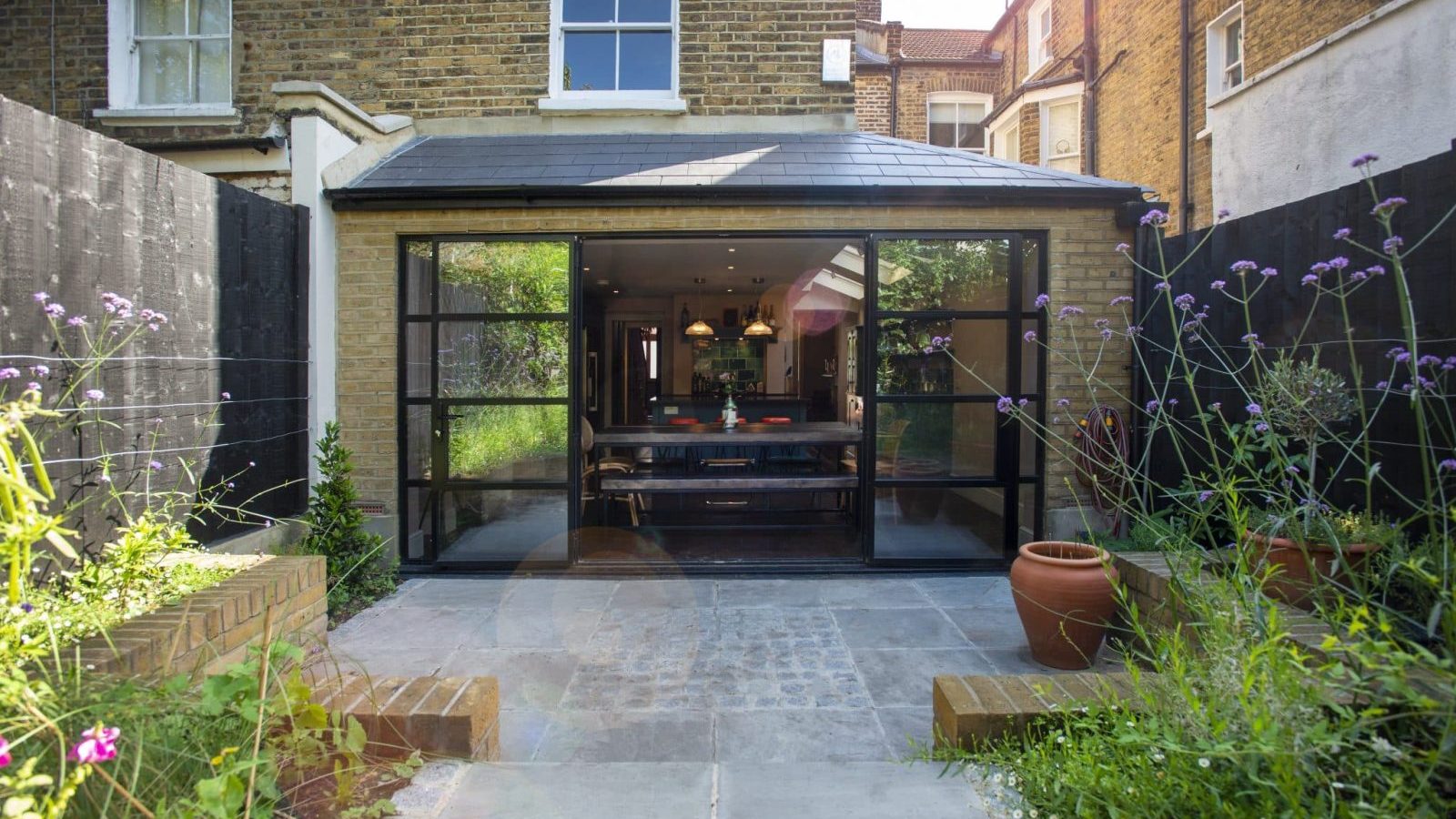
Creating a budget-friendly home extension is not about cutting corners, but about building smarter from start to finish.
With material prices and labour costs fluctuating and stricter energy regulations in place, the definition of “budget extension” has definitely changed. Today, a cost-effective extension is viewed as one that balances upfront spending with long-term savings – particularly in energy performance and durability.
The good news is that with the right approach to planning, design strategy and construction, you can successfully see ROI and add valuable space to your home, without unnecessary expense or compromising quality.
Setting a Realistic Budget with the 20% Contingency Rule
One of the biggest mistakes homeowners make when planning a budget-friendly extension is underestimating the true cost of the project. Rising labour costs, material fluctuations, and delays in the supply chain mean that the traditional 10% contingency buffer is no longer realistic. Instead, many architects and contractors now recommend adding at least 20% of the overall budget as a contingency budget to cover unforeseen expenses.
This extra financial flexibility can help to protect your project if structural surprises are uncovered during construction. These include drainage issues, outdated wiring or hidden damp problems. The 20% contingency rule also helps absorb any sudden increases in timber, steel or insulation costs – without forcing any compromises. The contingency fund is a financial protection that will keep the project moving smoothly and prevent any mid-project redesign.
Fixed-Price Contracts: Avoiding Budget Creep
Rather than relying on rough estimates, many homeowners are opting for fixed-price design and build contracts to keep costs under control.
The construction market is a fluctuating one, and this type of contract offers clear cost clarity from the outset and reduces the risk of ‘budget creep once construction work begins.
A good fixed -price contract should clearly outline what is included in the cost – structural works, insulation, electrics and waste removal, plus finishes should all be itemised as this will prevent any surprises as construction proceeds.
It is important when comparing quotes from different construction companies that there is transparency. This is far more important than simply choosing the cheapest option. A slightly higher fixed-price agreement can often prove better long-term value.
VAT Savings: A Hidden Opportunity
Certain types of building projects may qualify for reduced VAT rates, and this can save thousands of pounds. This is well worth researching. The type of extensions that qualify are conversions of a non-residential space into habitable accommodation or those that incorporate qualifying energy-efficiency measures.
Energy-saving upgrades, including improvements to insulation or heat-related efficiency systems, may also qualify for reduced rates, depending on the scope of the project and current legislation. Whilst eligibility varies, discussing VAT opportunities with your architect or contractor early during the planning stage can help you make valuable savings.
For budget-conscious homeowners, understanding the taxes incurred with renovations can be really important. The biggest cost savings can be made or lost at the design stage.
Simplify the Footprint
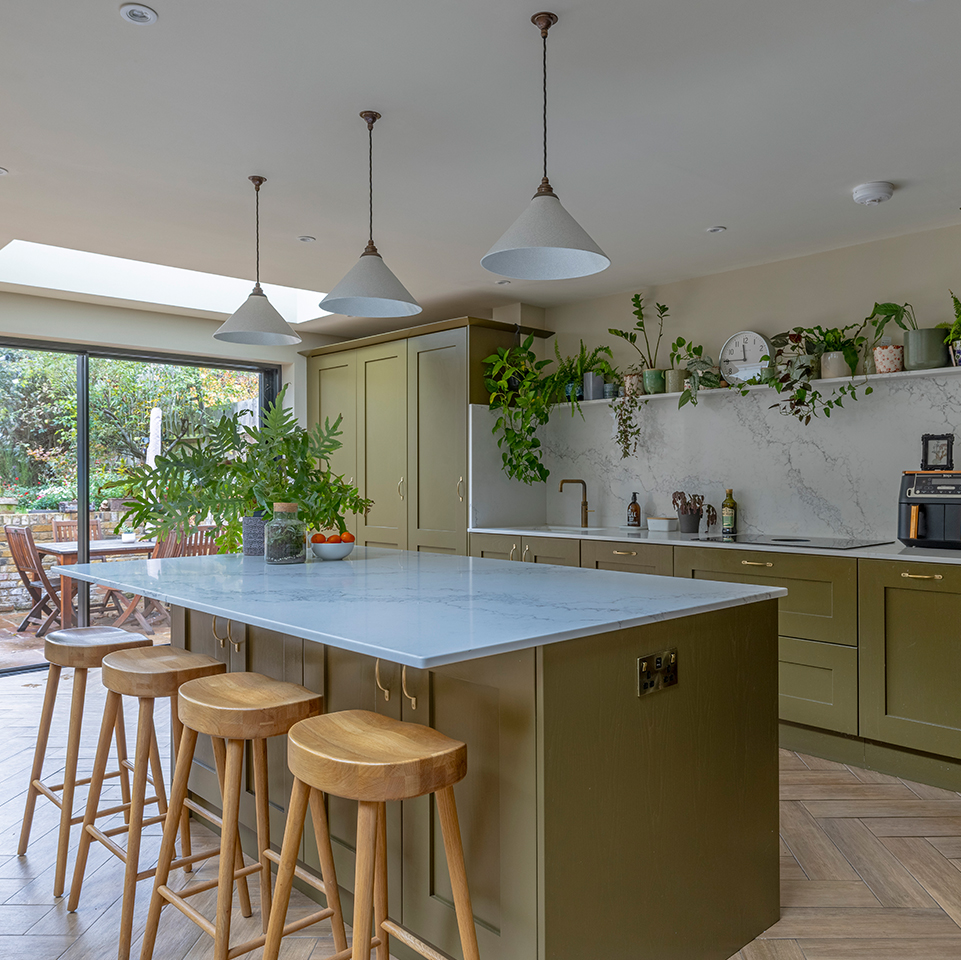
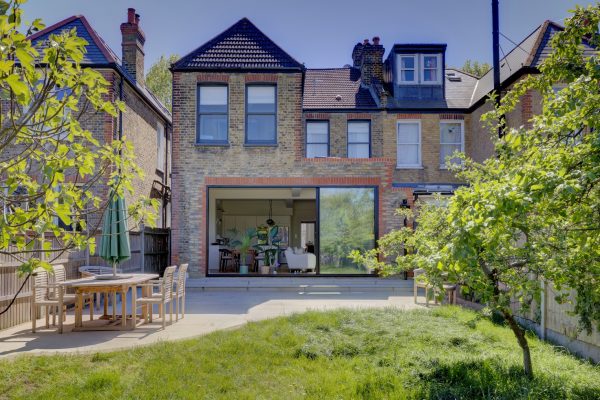
The most cost-effective extensions are those built in simple shapes. These are extensions that feature rectangular layouts, straight walls and standard roofs.
Extensions using more complex designs, such as L-shaped extensions, curves or multiple angles, are more costly because additional steelwork is required, and this increases both material and labour costs.
Keeping the extension design simple can significantly reduce your build budget.
Standardisation = A Smarter Build
Customisation is one of the fastest ways to increase the cost of your project. Bespoke glazing or unusual shapes and dimensions often come with higher price tags and longer lead times.
Using standard window sizes, conventional door dimensions and popular timber lengths will keep fabrication simpler and reduce waste. Off-the-shelf products are always quicker to source, which can help avoid costly delays during construction.
Cost-effective extensions are often the simplest architecturally, with clean lines, efficient dimensions and practical material choices. Modern budget designs focus on durability and smart sourcing, rather than simply choosing the cheapest option.
Secondary Market Sourcing
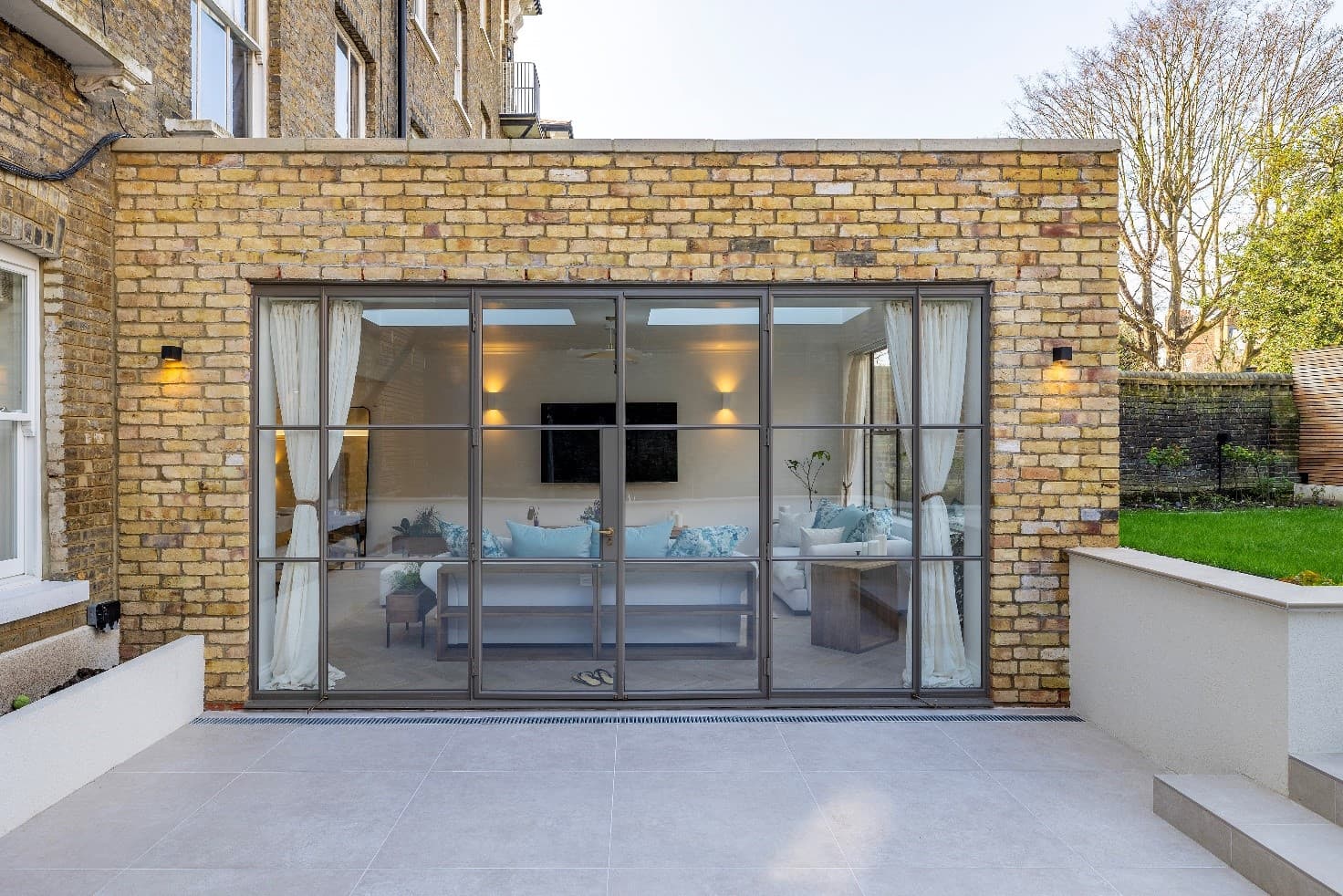
A growing trend is sourcing high-quality items from specialist resale platforms. And architectural salvage suppliers. Premium fixtures such as ex-display kitchens, cancelled orders or surplus “mis-measured” high-spec windows can all be bought for a fraction of their original cost.
This is a great way for houseowners to access luxury finishes without stretching their overall budget. High-end appliances such as designer taps, stone worktops and bespoke cabinetry are increasingly available through secondary marketplaces, due to showroom clearances or project changes.
Industrial Finishes: Stylish and Practical
Some of the most cost-effective finishes are also the most contemporary. They reduce labour and materials whilst delivering a modern aesthetic that is durable, cost-effective and visually striking. Popular industrial finishes include:
- Polished concrete floors – no need for additional floor coverings
- Exposed brickwork – reduces the cost of plastering
- Simple plaster finishes – those with minimal detailing are fast and effective
The “Shell and Core” Strategy
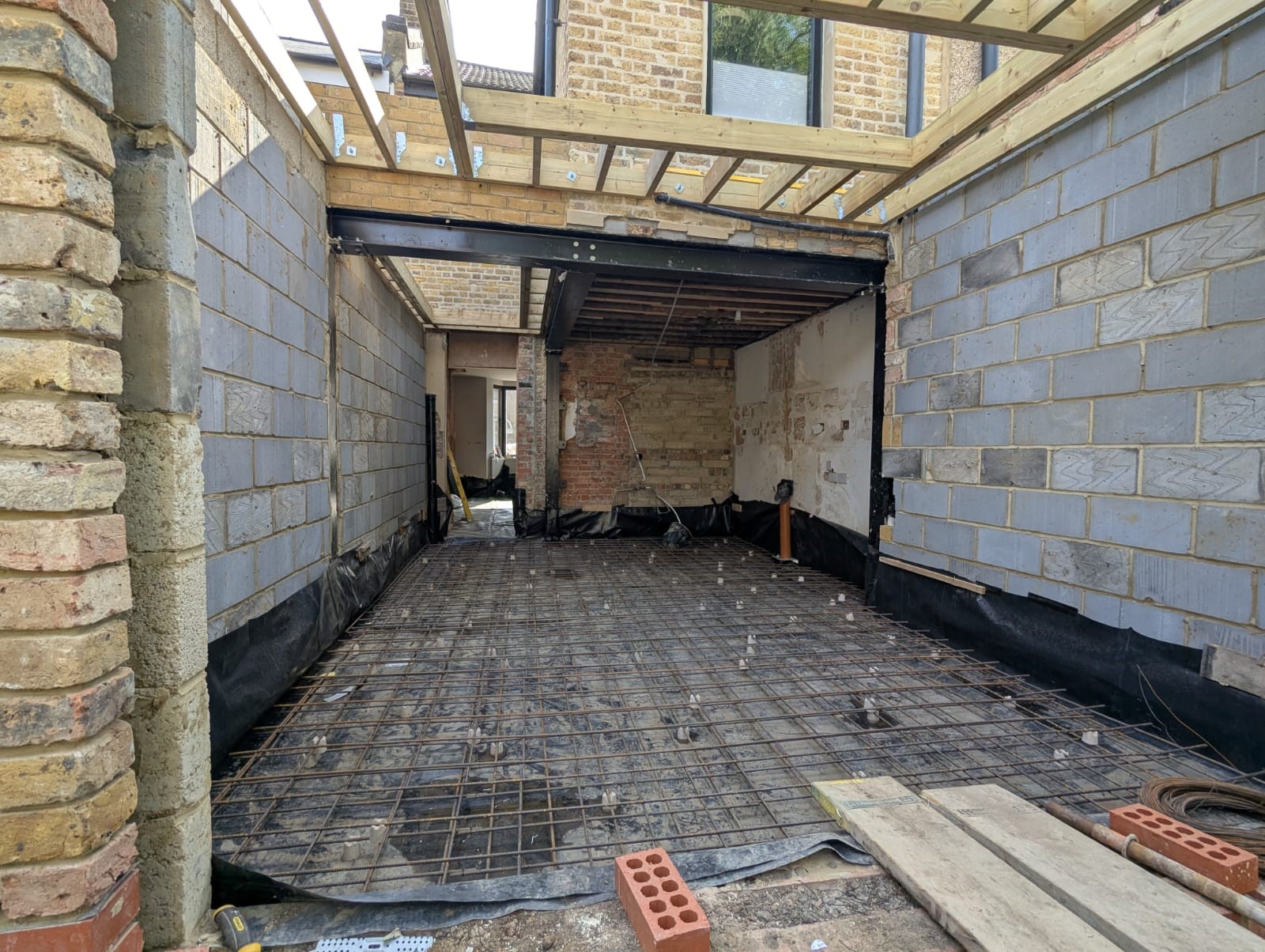
If you are working to a tight budget, it is worth considering focusing on the structure of the extension first. This means prioritising the structural build, insulation, glazing and essential services. Cosmetic upgrades can be made later, when finances allow. This strategy helps spread the cost over time, whilst ensuring the core of your extension is complete and functional. This approach involves:
- Completing the extension build
- Installing essential services (plumbing, electrics and insulation)
- Delaying decorating and high-end finishes until later, when the budget allows
DIY vs Professional: Where You Can Save
Whilst all the structural work should always be handled by experienced professionals, there are certain tasks that homeowners can undertake to reduce costs.
Act as Your Own Project Manager
If you have the time, organisational skills and confidence to manage trades, taking on a project management role can save approximately 10–15% in contractor fees – particularly if you are building a straightforward extension. However, this role requires strong attention to detail, commitment and ensuring compliance at all stages.
This task involves:
- Coordinating trades
- Managing schedules
- Ordering materials
- Overseeing deliveries
Being your own Project Manager can definitely save money, but it does require good communication skills and time commitment – if these are lacking, they can quickly lead to delays that negate any savings.
Dry-Prep DIY Tasks
Before work on the construction begins, you can reduce labour costs by handling much of the preparatory work yourself. These tasks are time-intensive but do not require specialist skills and include:
- Clearing the site
- Digging trenches where appropriate
- Removing old wallpaper, lifting carpets, etc
This type of work is known as ‘dry prep’ work and can save contractors valuable time on site, thus reducing their labour costs.
Smarter Waste Management
The cost of waste disposal from your extension project can soon add up. There are some clever ways to effectively reduce these costs:
- Use a “man and van” clearance service
- Sort materials for recycling
- Minimise skip hire where possible
Energy efficiency is no longer viewed as optional, but as a key part of cost-effective building.
Air Source Heat Pump Readiness
Even if you are not able to afford to install a heat pump immediately, preparing your extension for low-carbon heating to be installed in the future is a smart move and will prove cost-effective.
This includes:
- Installing suitable pipework
- Fitting adequate insulation
- Allowing space for future systems
- Choosing appropriately sized radiators
This approach will future-proof your property against rising energy costs and changes in environmental regulations. Designing with future energy systems in mind is now becoming standard practice – even for budget-conscious house owners.
Investing in Good Insulation
Spending slightly more on upgrading insulation during construction can deliver significant long-term savings. Good insulation improves comfort and reduces reliance on heating systems. For example, an additional £500 investment in higher-spec insulation can save thousands on heating bills in the long term.
Upgrading insulation will improve thermal comfort, reduce draughts and help to stabilise indoor temperature all year round. Taking these measures will also improve your property’s EPC rating, which will be important if you want to sell your home in the future.
Passive Solar Gain = Free Energy
Instead of investing in solar panels, good budget-conscious home extension designs focus on passive solar gain.
This is a simple but highly effective way to improve energy efficiency. Windows are positioned to capture the optimal amount of natural sunlight. Glazing is strategically placed to help warm the interior, and this reduces heating demands – naturally.
Avoiding Hidden Expenses: What Drives Costs Up
Understanding what elements can increase costs helps you avoid unnecessary expense. By addressing these factors early on, you can maintain firm control over your finances. Common pitfalls that can be costly are:
- Complex structural designs
- Bespoke materials and glazing
- Poor early planning
- Late design changes during construction
Maximise Value: Spend Where It Matters
A budget-friendly extension is not about spending less, but it is about spending wisely.
Priority should be given to structural quality, layout efficiency, insulation and energy performance. These are the elements that will have the greatest impact on the long-term value and usability of the new home extension.
Future-Proofing Your Extension
Even when planning a new extension for your home on a limited budget, it is essential to think ahead and future-proof your extension so that it can be adapted as your family grows and your lifestyle changes and only require minimal upgrades over time. It is important that your new extension not only meets all current energy standards, but also upcoming ones, too. This ensures your current investment will add value to your property and prove attractive to potential buyers in the future.
Build Smartly, Not Cheaply
A successful budget extension is not defined by how little you spend, but by how effectively you allocate your resources to achieve carefully planned and versatile extra space using the right construction strategy. These steps will ensure that your extension is stylish, functional and energy-efficient and is built to last for many years to come with minimal maintenance.
Start Your Extension the Right Way
At BuildTeam, we help homeowners across London design and build cost-effective, high-performance extensions to their homes.
We have an integrated approach that ensures clear and fixed pricing. We offer efficient design solutions and expert construction, and we deliver on time.
Contact BuildTeam today if you are planning a budget-friendly extension and want to explore the smartest way to achieve it. Building on a budget doesn’t mean to compromise, but it does mean to build better.
Our email: hello@buildteam.com. Our telephone: 0207 495 6561.