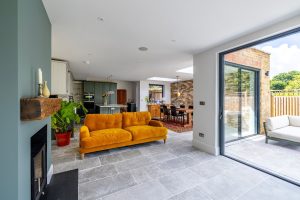

Modern urban living has transformed the way in which we think about the design of our home.
In major cities like London, where there are dense neighbourhoods, traffic pollution and clocks dominate daily life, the home has become much more than a place to live. To many, their home has become their refuge. It is a place to restore balance, reconnect with nature and support their physical and mental wellbeing. This shift is now being accelerated by the popularity in biophilic home designs.
In 2026, biophilic design goes far beyond simply adding a few houseplants around the place. Today’s most progressive architects and designers are integrating nature into the structure of the home by creating wellness-focused extensions that enhance air quality, regulate natural daylight and help reconnect the family with the natural rhythms of nature. Biophilic architects are defining what a healthy home is like.
Why Biophilic Design Is Transforming London Extensions
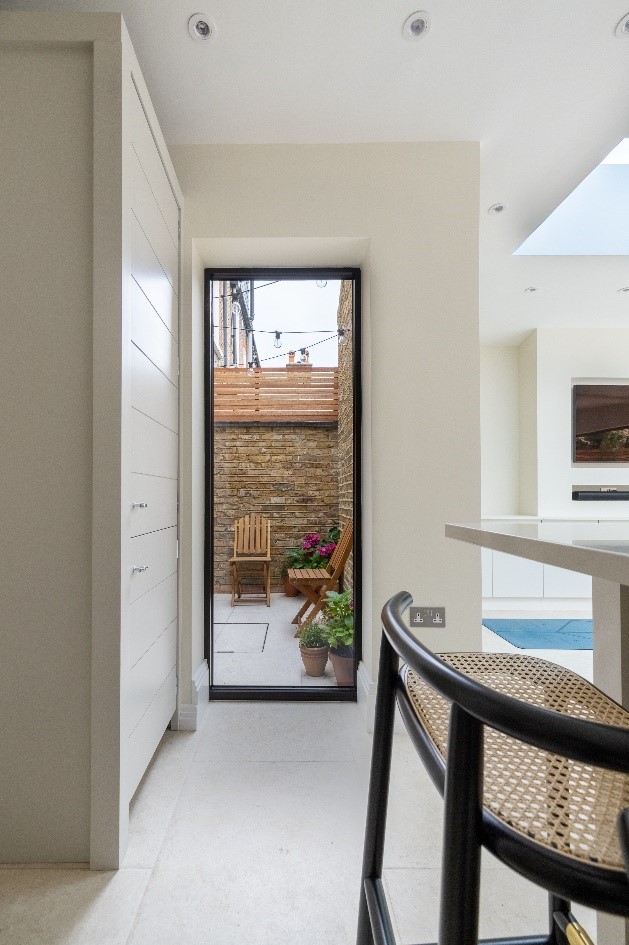
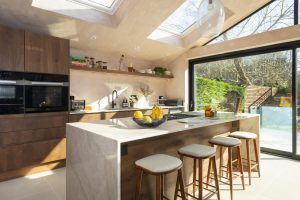
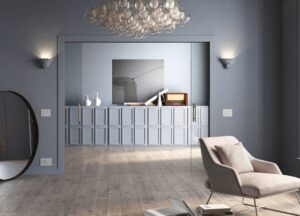
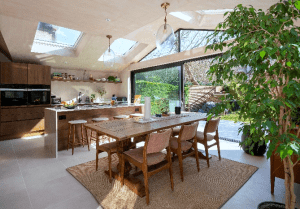
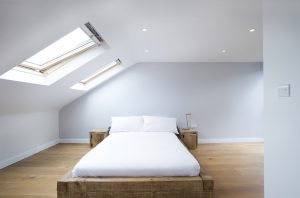
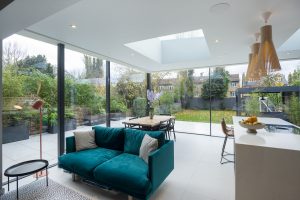
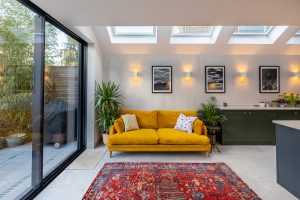
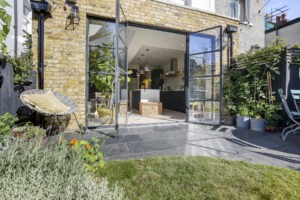
Biophilic designs boost mental well-being (Photograph: BuildTeam)
Urban life brings enormous benefits to homeowners. It has cultural energy, great walkability and many vibrant communities, but it also exposes residents to a number of environmental stresses. Air pollution, noise, limited green spaces and high-density living can all take their toll on wellbeing.
In response to this, an increasing number of homeowners are now prioritising sanctuary-styled homes with environments that actively support relaxing as a family and focus on health. Carefully planned wellness-focused extensions are in demand as they can:
- Introduce significantly more natural daylight and adjust the light levels for daytime work and evening relaxation.
- Improve indoor air quality
- Create visual connections with outside greenery and ‘bring the garden indoors’
- Reduce noise and environmental stress using effective insulation
- Provide calming sensory experiences for all ages
A biophilic extension design transforms the home into a restorative environment. Biophilic design is no longer an architectural trend. It is quickly becoming the cornerstone for forward-thinking London renovations.
Architectural Biophilia: Much More Than Decorative Plants
When they think of biophilic design, many homeowners think of indoor plants. Whilst greenery does play an important role, architectural biophilia operates at a much deeper level as natural elements are embedded into the designs. These can include:
- Structured courtyards
- Natural ventilation pathways
- Water features
- Organic materials such as wood and stone
- Expansive views of the sky, greenery, and other natural textures in the garden
When architecture mimics the patterns and sensory richness of nature, it creates an immersive environment that feels inherently calming and intuitive to live in.
The biophilic approach is particularly effective in kitchen and living extensions, where families spend much of their time.
The Internal Courtyard: An Ideal Private Open-Air Space
One of the most powerful tools in biophilic home design in urban UK is the internal courtyard. Rather than leading straight into the garden, some extensions now incorporate a small open-air courtyard within the building. This space acts as an oasis of natural light and greenery surrounded by glass.
In a typical internal courtyard kitchen extension, the courtyard functions as
- A natural ventilation source
- A private outdoor view protected from neighbours
- A source of daylight that brightens the surrounding rooms
Plants, small trees and moss gardens can all thrive within these spaces and create a constantly changing natural focal point.
Even a modest-sized courtyard can dramatically change the ambiance of an extension, transforming it into a serene, garden-connected environment.
For an urban home with limited privacy or a narrow plot, a courtyard offers a clever architectural solution.
Circadian-Syncing Lighting
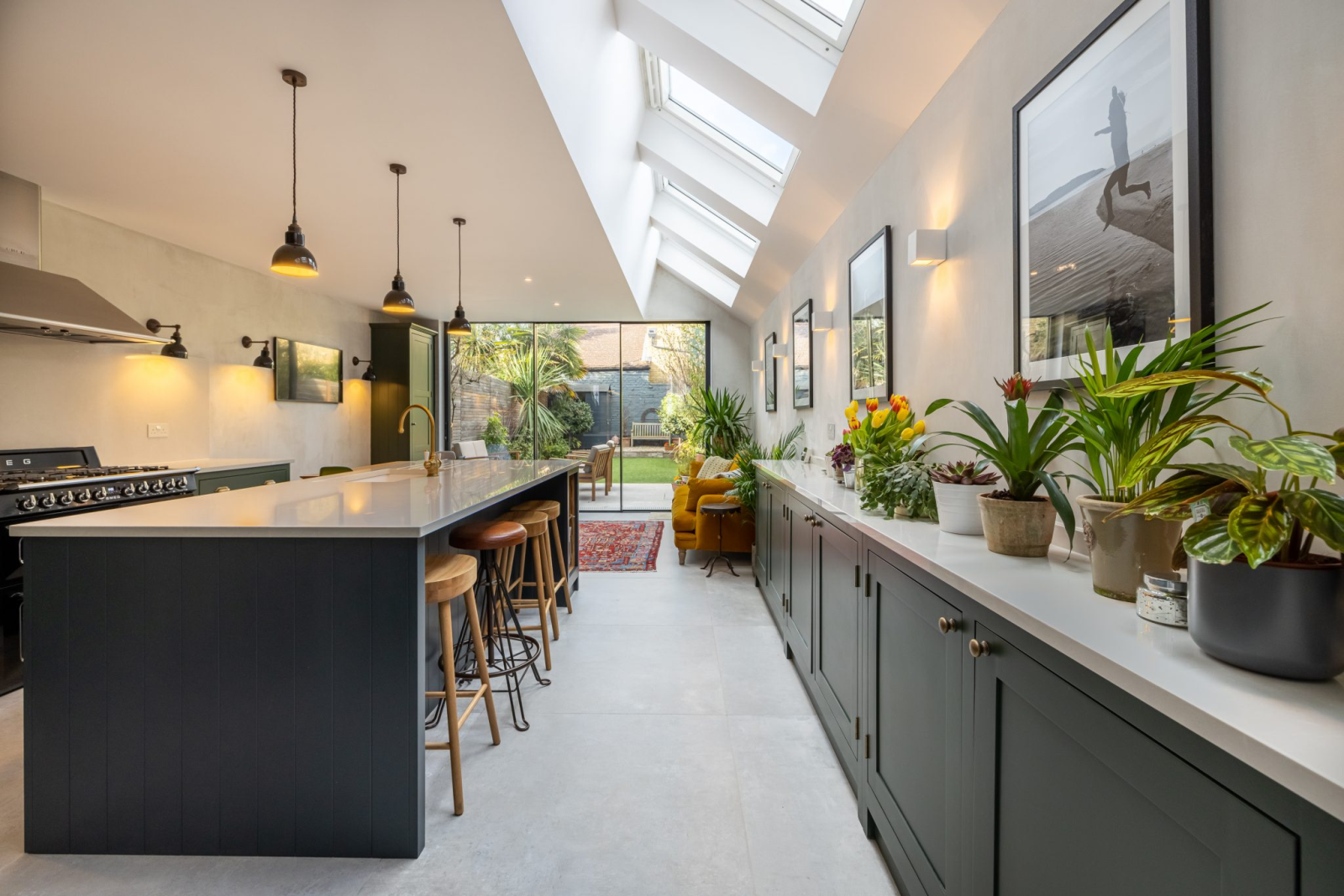
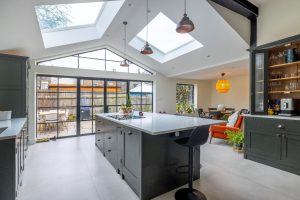
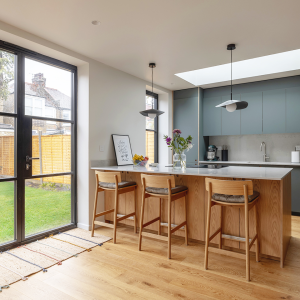
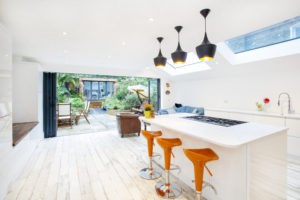
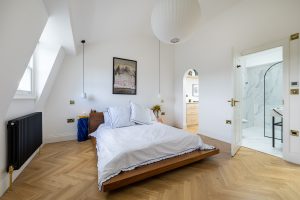
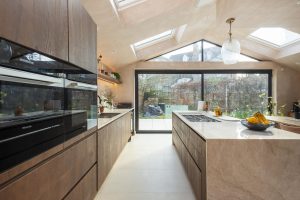
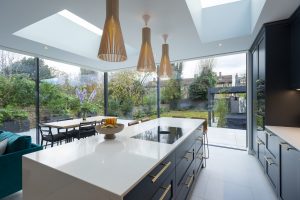
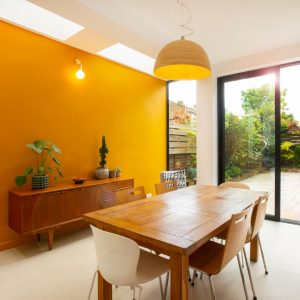
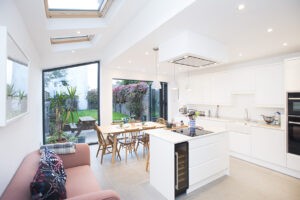
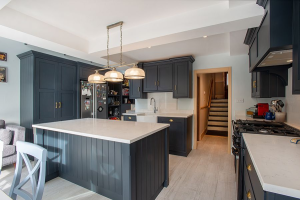
Circadian-Syncing Lighting helps regulate the body’s natural rhythm (Photograph: BuildTeam)
Light plays a critical role in regulating the body’s circadian rhythm, which is the body’s internal clock that controls sleep, energy levels and mood.
Many traditional homes suffer from inconsistent daylight exposure, especially during the darker months of winter. Modern biophilic extensions address this problem by incorporating sun-tracking skylights and carefully positioned areas of roof glazing that maximise on natural daylight. This approach ensures that the extension benefits from optimal natural light with:
- Bright, energising morning light in kitchen spaces
- Soft, diffused afternoon illumination in the living areas
- Reduced glare from direct sunlight during peak midday hours
When these daylight patterns align with the body’s natural rhythms, family members often experience improved sleep quality, better concentration and greater emotional balance.
The Psychology of Natural Surfaces
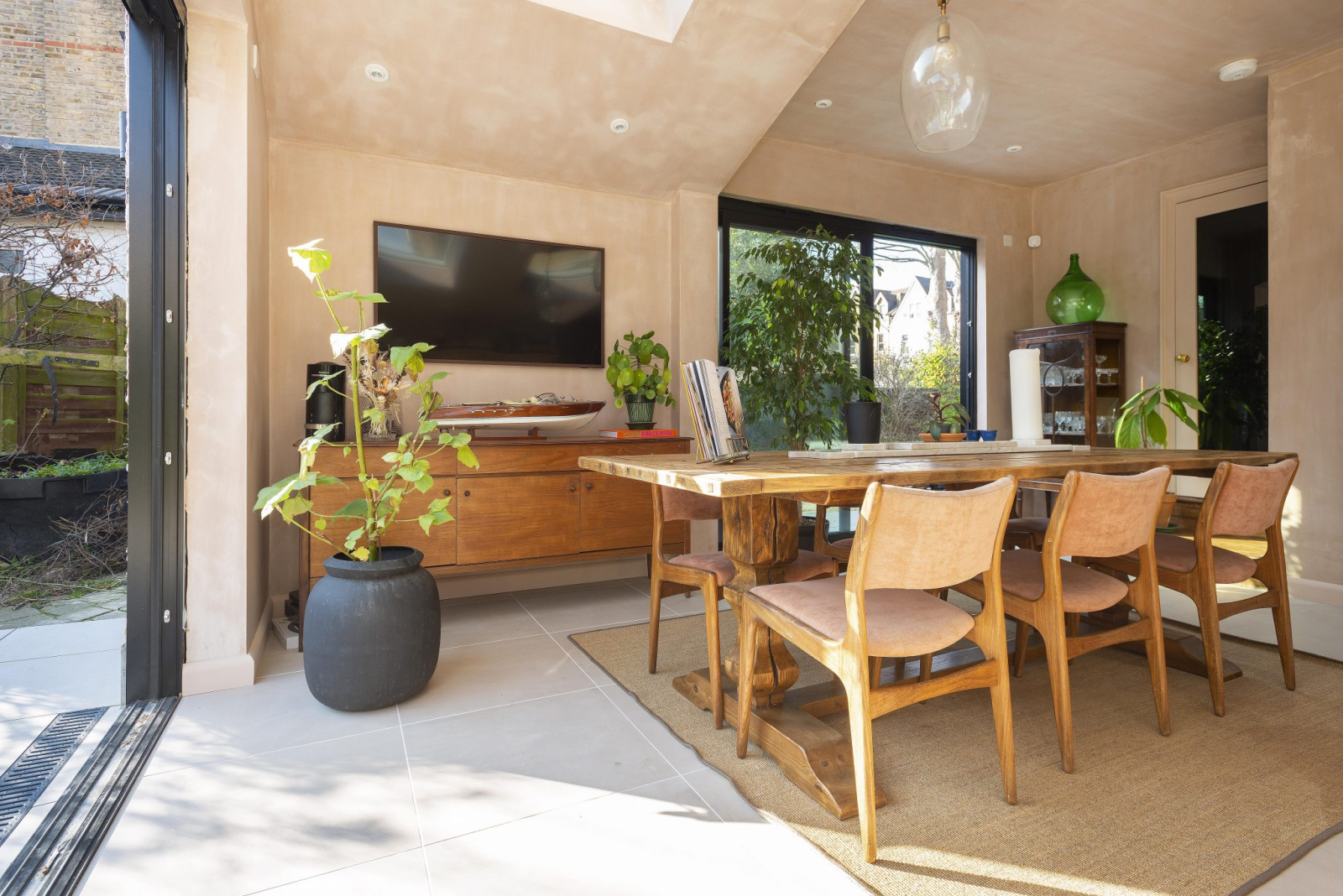
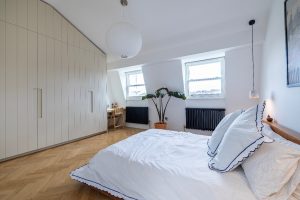
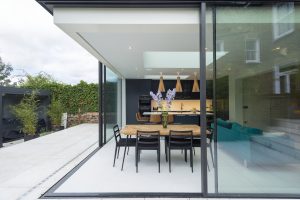
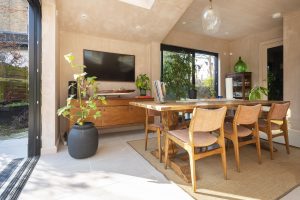
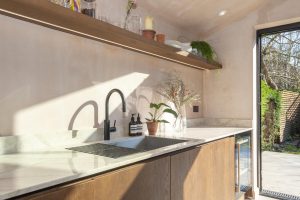
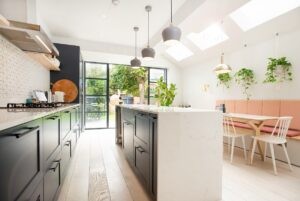
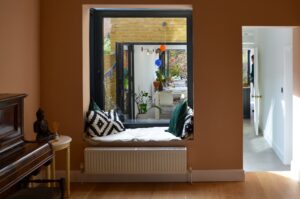
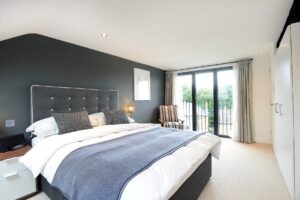
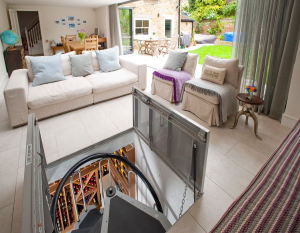
Natural surfaces and fabrics are calming in an extension (Photograph: BuildTeam)
The materials used in an extension can have a subtle but powerful impact on how the space feels. Synthetic surfaces often appear visually flat and lack tactile richness. In stark contrast, natural materials provide texture, variation and warmth.
Biophilic interior designs frequently incorporate various types of timber, natural stone flooring, fluted wood panelling and soft furnishings made in linen and wool.
Recent studies suggest that exposure to natural textures can reduce stress levels and promote feelings of calm. Timber surfaces, for example, have been linked to lower heart rates and improved cognitive performance in home offices. Thus, the choice of materials used plays a key role in a wellness-focused extension.
Bio-Filtration and Air Quality
Air quality is an important consideration in urban homes. Whilst mechanical ventilation systems can improve airflow, biophilic design introduces the concept of living walls.
Living walls are vertical gardens with integrated hydroponic planting systems and lighting systems so that plants thrive indoors whilst filtering pollutants from the air. A well-designed living wall can reduce airborne toxins and improve the humidity balance, as well as absorb noise and create an attractive focal point.
For London homeowners concerned about traffic pollution or indoor air quality in their extensions, these systems offer a practical and visually striking solution.
Designs for the Senses: Sound, Texture and Movement
True biophilic designs appeal to all the senses. Whilst natural daylight and natural greenery are usually the focus, the most immersive spaces also incorporate other subtle sensory experiences that help to evoke the natural world.
These may include:
Water acoustics
Small water features or wall fountains introduce a gentle rhythmic background sound that is relaxing and helps to mask urban noises.
Tactile surfaces
Features including textured stone paths, wooden flooring and clay plaster walls all encourage touch and sensory awareness as well as a calming ambiance.
Natural airflow
Windows that easily open and courtyard breezes help to create a connection with the outdoors.
Seasonal changes
Careful planting of plants and shrubs in the garden that change through the seasons brings colour, scent and visual variation throughout the year.
Together, these sensory elements help to create an environment that feels alive and close to nature’s cycle rather than isolating occupants from it.
The Future of Wellness Architecture
As awareness of environmental health continues to grow, architecture is becoming increasingly focused on creating spaces that actively support wellbeing. Biophilic designs are at the heart of this movement.
By optimising natural light, fresh air, as well as incorporating organic materials and living systems into an extension, air-purifying home renovations can dramatically improve everyday living conditions for the family.
For London homeowners, biophilic design principles offer something especially valuable – a way to escape the pressures of urban life, without leaving the city and enjoy relaxing in your own private sanctuary.
Create a Healthier Home Environment
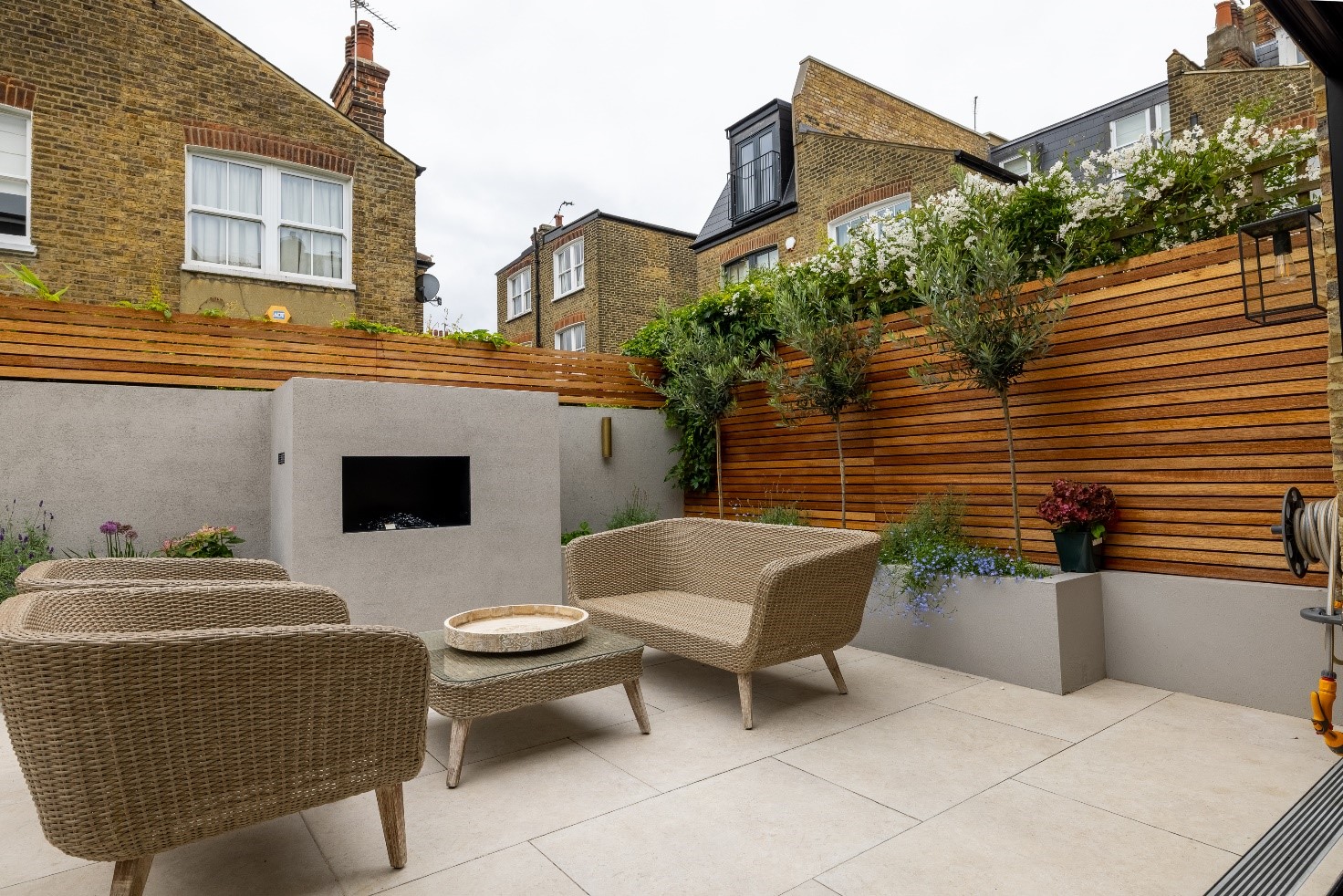
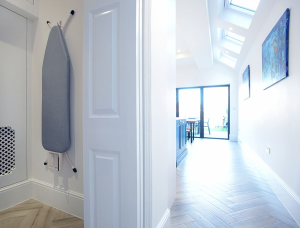
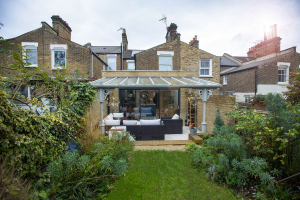
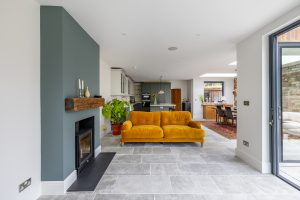
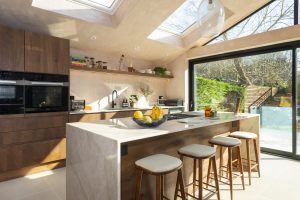
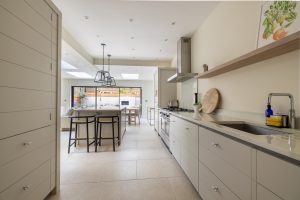
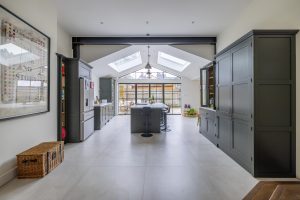
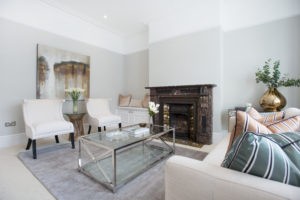
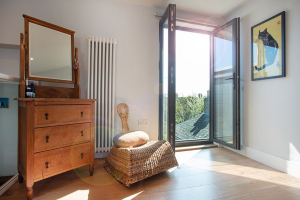
A biophilic extension improves the quality and well-being of family members (Photograph: BuildTeam)
A biophilic extension is not defined by a single feature but is the result of thoughtful and holistic design.
When courtyards, daylight strategies, natural materials and living systems work together harmoniously, the home becomes more than just shelter. It becomes a place that nurtures wellbeing and this transformation is profound.
Are You Planning a Biophilic Extension?
Designing a wellness-focused extension requires careful consideration of structure, light, materials and ventilation.
At Build Team, we work with homeowners across London to create beautifully crafted extensions that balance architectural innovation with sustainable, health-focused design.
Whether you are planning a new kitchen extension or would like to integrate nature-inspired materials into your renovation, our experienced team can guide you through every stage of the process. Contact BuildTeam today to discuss your project and discover how biophilic design can transform your home into a calm, restorative urban sanctuary.
Our email: hello@buildteam.com, our telephone: 0207 495 6561.