
Designing a home extension is not just about gaining extra space. A house extension is also about maximising return on investment, improving energy performance and creating a home that will remain functional, flexible and efficient for many years to come.
The architect you choose for your building project plays a central role in its outcome.
A well-planned and designed extension can enhance property value, reduce long-term energy costs and be adaptable to changing lifestyles. Conversely, a poorly planned one can lead to spiralling budgets, inefficient layouts and costly retrofits further down the line.
Choosing the right architect is not simply a design decision. It is one of the most important financial and strategic choices you will make during your extension project.
Experience That Goes Beyond Design: The Importance of Retrofit Coordination
In most London projects, an extension is not a standalone structure. It is vital that it integrates seamlessly with the existing home. These are often Victorian or Edwardian properties with very different construction standards. This is why a retrofit coordination is critical.
A skilled architect will carefully manage the transition between the old building and the new extension, ensuring that there is:
- A continuous thermal envelope
- No cold bridging between structures
- Proper moisture control to prevent damp and condensation
- Seamless integration of insulation and airtightness layers
Without this key level of detail, even a visually stunning extension can suffer from long-term performance issues.
Three Questions to Ask Past Clients
Before deciding on an architect for your extension project, it is essential to check on feedback from their previous clients. Instead of relying on generic reference checks, ask targeted questions, including:
- Did the extension perform as expected in terms of consistency of temperature in the different months and the cost of energy bills?
- Were there any issues where the new build met the existing house?
- How effectively did the architect handle any unexpected site challenges?
The answers to these questions will give a far better insight and reveal far more than any surface-level feedback.
Design Philosophy: Biophilic Thinking and Multi-Functional Living
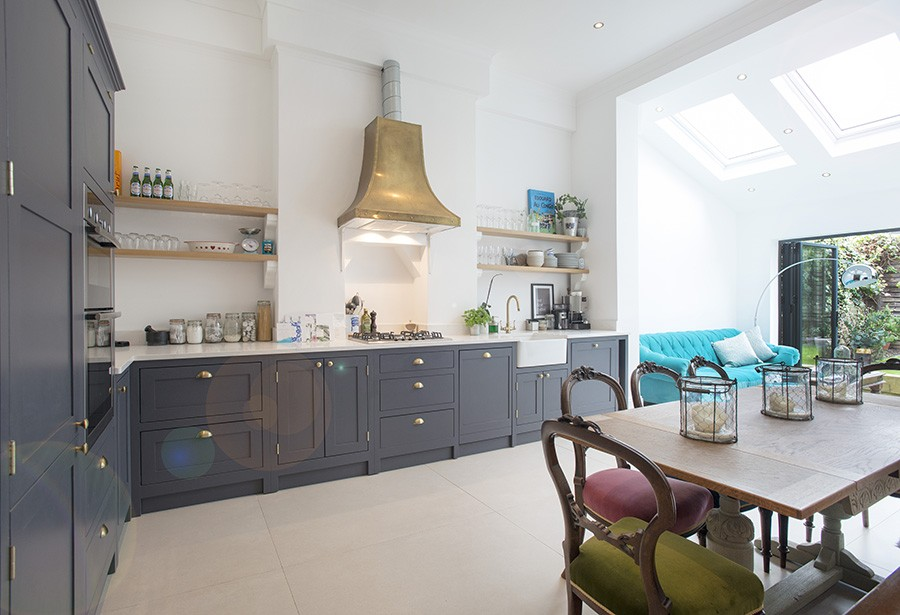
A strong architectural portfolio should demonstrate more than aesthetic appeal. It should show how spaces by the architect support modern living patterns.
Two key design principles define forward-thinking architects:
Biophilic Design
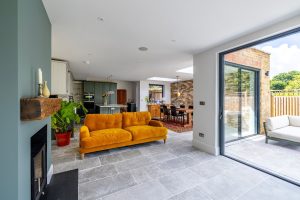
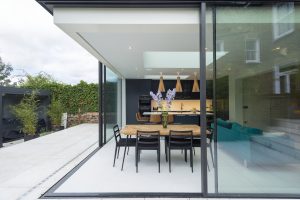
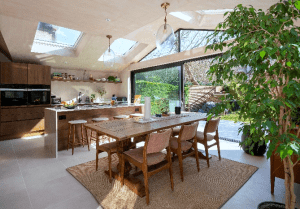
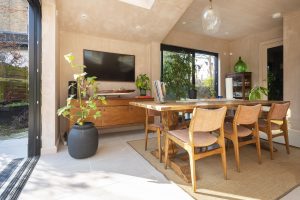
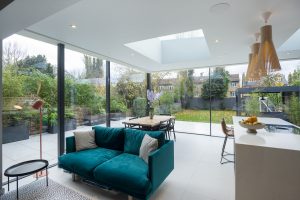
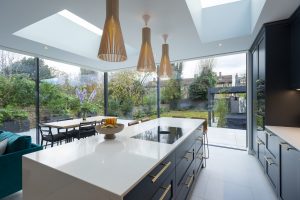
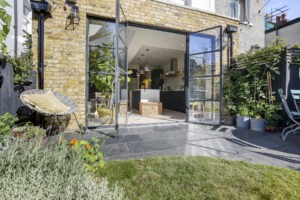
Look for architects who incorporate plenty of natural light, ventilation and natural materials in their designs. Features such as internal courtyards, large-format glazing and natural textures can significantly enhance your family’s wellbeing.
Multi-Functional Layouts
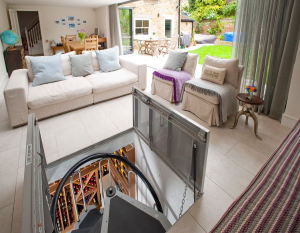
Modern homes must be versatile and able to adapt quickly. A kitchen may double as a workspace, whilst a guest bedroom can be turned into a gym or studio.
An experienced architect will design flexible spaces that can evolve without requiring major and costly alterations. Rather than asking if an architect is “innovative,” it is more revealing to examine whether their past projects demonstrate these qualities in practice.
Project Management in the Digital Age: Real-Time Collaboration
The days of waiting for weekly email updates have long gone. Today, modern architectural practices use cloud-based collaboration tools to manage their projects in real time. Platforms such as shared project dashboards allow homeowners to:
- Track build schedules
- View site progress photos
- Approve design changes
- Monitor budgets and timelines
This level of transparency reduces stress and also keeps projects on track. When interviewing architects, ask how they will communicate during the construction. A clear, digital workflow is now a standard expectation for well-managed projects.
Budgeting Smarter: Planning for Inflation and Material Volatility
Whilst the construction market has stabilised, price fluctuations in materials such as timber, steel and insulation do still occur. A forward-thinking architect will incorporate an element of contingency planning into your budget from the outset.
This will include:
- Allowances for variations in material costs
- Phased procurement strategies
- Flexible design specifications where alternatives can be substituted should prices rise
Rather than focusing on the project with elements of financial vagueness, a good architect provides a clear financial foresight that will help you manage risk without compromising design quality.
Local Knowledge: Navigating London’s Planning Landscape
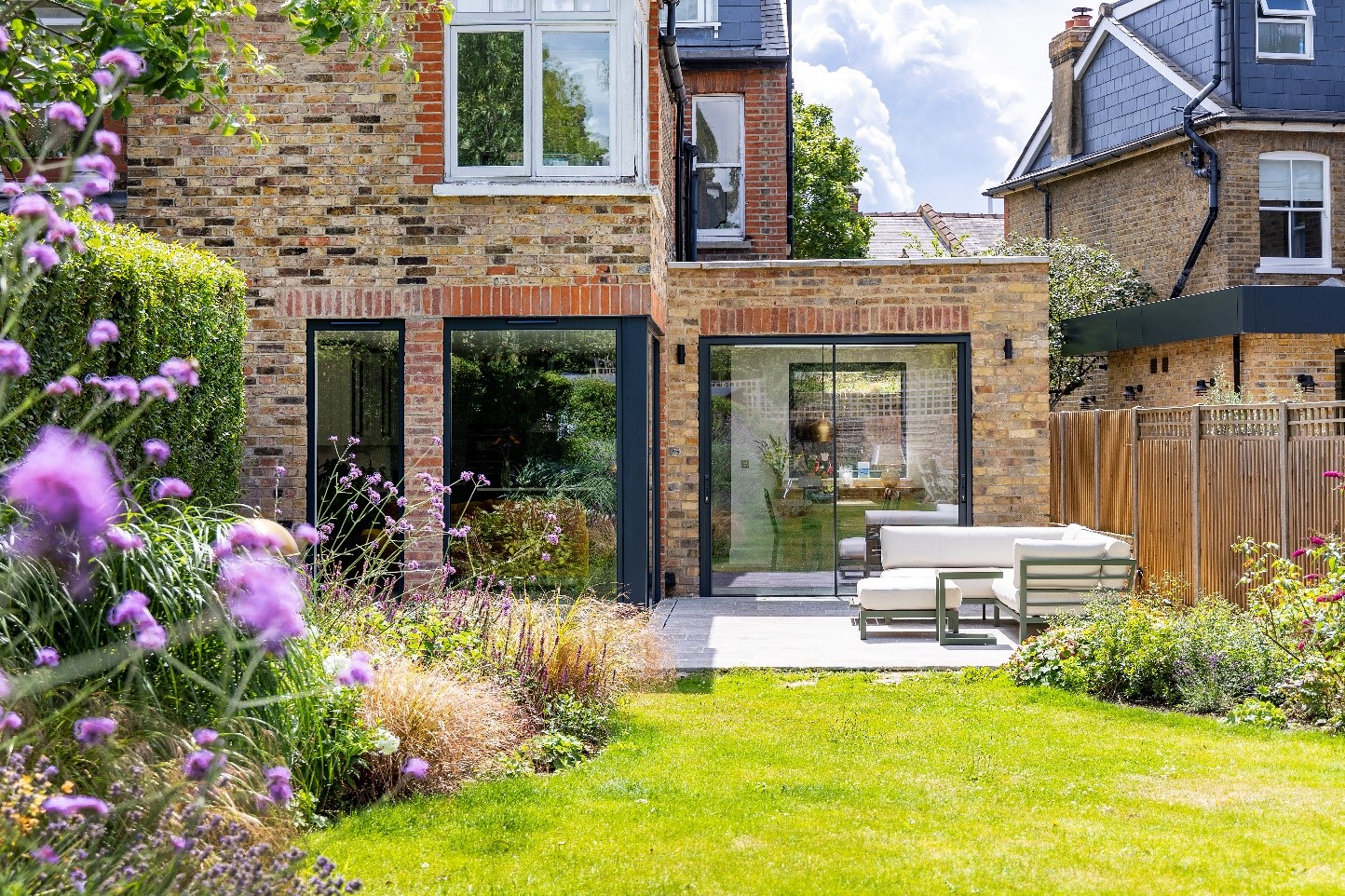
London’s planning environment is complex and varies significantly between boroughs. An architect with strong local knowledge and experience will understand:
- Borough-specific planning policies
- Permitted development rights and limitations
- Conservation area restrictions
- Emerging net-zero and sustainability requirements
Council-Specific Climate Mandates
Many London boroughs are introducing stricter sustainability targets. These include energy performance requirements and low-carbon design expectations.
An architect familiar with these policies can design your extension to meet these standards, thus reducing the likelihood of planning delays.
This local expertise can often mean the difference between approval and rejection.
Visualising Your Extension: The Power of Immersive Design
One of the most exciting recent developments in residential architecture is the use of immersive visualisation tools. Using VR or AR technology, architects can now allow you to walk through your extension before it is built.
This will give you the opportunity to:
- Assess ceiling heights and proportions
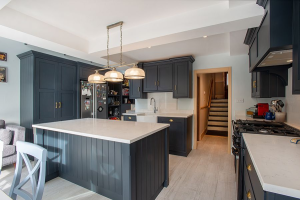
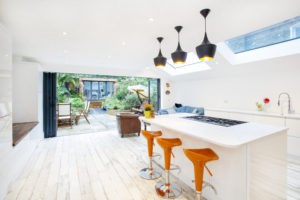
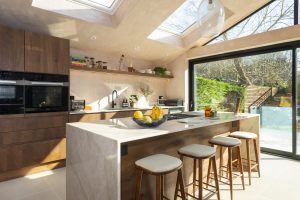
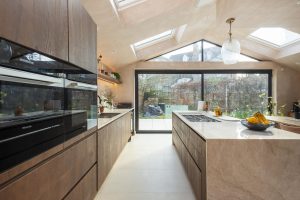
- Check kitchen layouts and island positioning
- Understand how light will move through the space
- Identify any potential design changes early
Making any adjustments when still at the design stage is far more cost-effective than making changes on-site. Immersive visualisation makes the process much easier as it removes any guesswork and enables homeowners to really ‘see’ what the finished extension will be like.
Sustainability: The “Fabric First” Approach
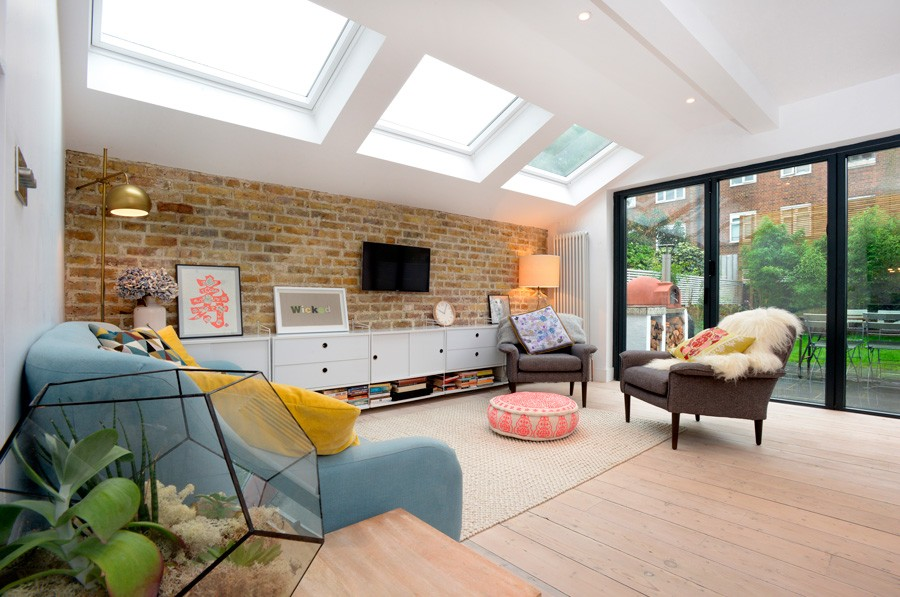
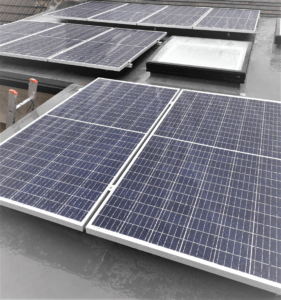
Sustainability is no longer defined by add-on technologies such as solar panels or smart home systems. The most effective approach is “Fabric First.”
This means prioritising the performance of the building design itself. This includes:
- High levels of insulation
- Airtight construction
- High-performance glazing
- Minimised thermal bridging
By reducing energy demands at its source, your home extension becomes inherently more efficient.
A Fabric First extension is also future-proofed for emerging technologies, including heat pumps, and this ensures long-term compatibility with low-carbon energy systems.
When choosing an architect, ask how they approach energy performance at a structural level and check that they do not consider them optional upgrades.
Compatibility: Why the Relationship Matters
An architect with technical expertise is essential, but so is personal compatibility. Your architect will be working with you through a complex and often lengthy process. Clear communication between you, a shared vision and mutual trust are all critical for a strong collaboration.
When choosing your architect, look for someone who:
- Listens carefully to your priorities and expectations
- Explains their ideas clearly and confidently
- Balances creativity with practicality
- Demonstrates a genuine understanding of your lifestyle and requirements
Choosing an Architect Is Choosing the Outcome
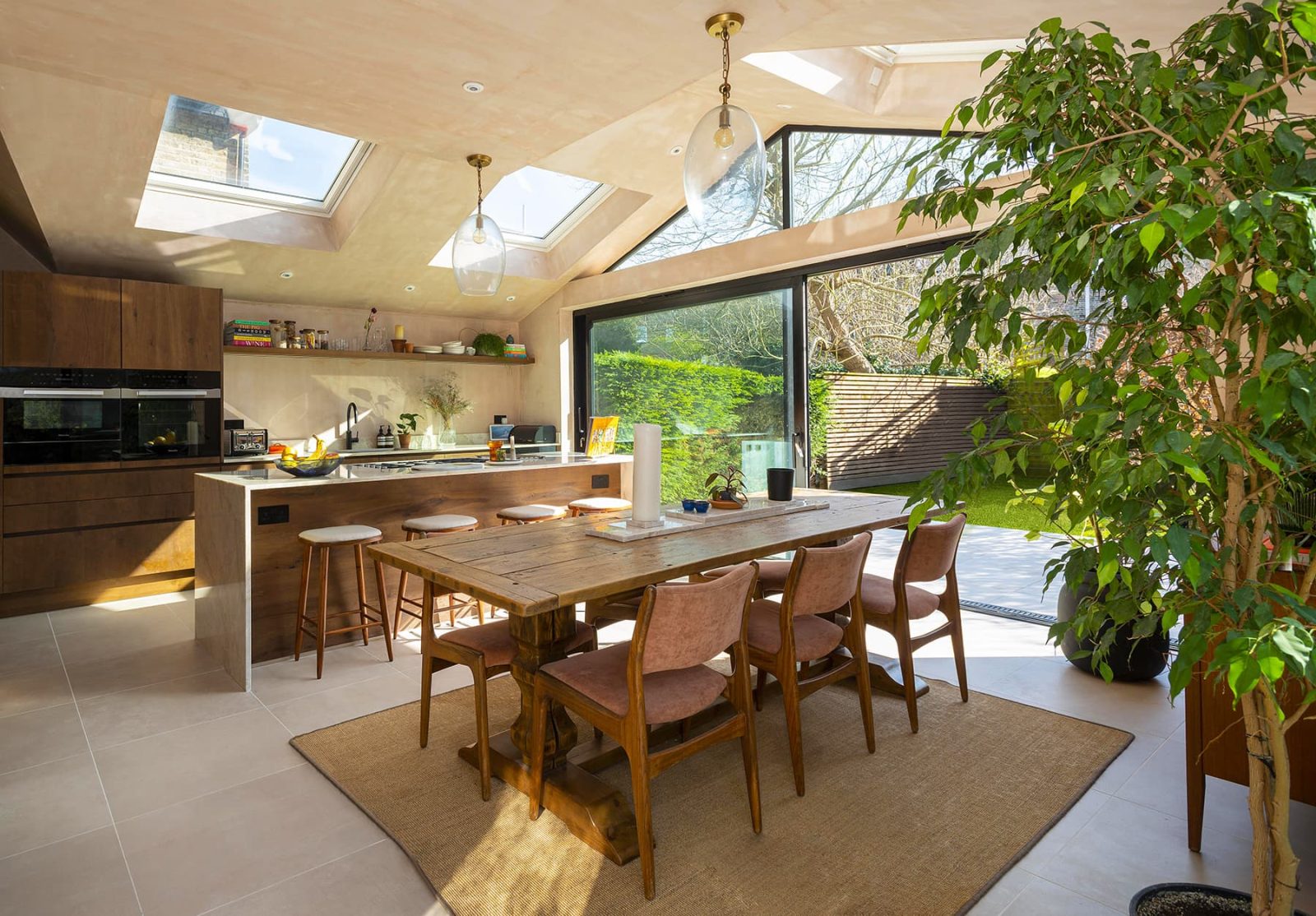
Every decision at all stages of your extension project, from layout to lighting and materials to energy performance, will follow from your architect’s initial design.
Choosing the right professional is not simply about the excellence of their drawings. It is about ensuring that your home extension will:
- Perform efficiently
- Adapt to future needs
- Meet all planning requirements
- Deliver long-term value
Planning Your Extension? Begin with the Right Team
At BuildTeam, we combine architectural design, planning expertise and construction delivery into an excellent seamless, end-to-end service for London homeowners.
Our team specialises in creating future-proof, high-performance extensions, from the initial concept through to completion. Team members focus on transparency, efficiency and long-term value for our clients.
If you’re planning an extension and want the right architect to give expert guidance on choosing the right architectural approach, contact BuildTeam today for a tailored consultation. Our email: hello@buildteam.com, and our telephone: 0207 495 6561.