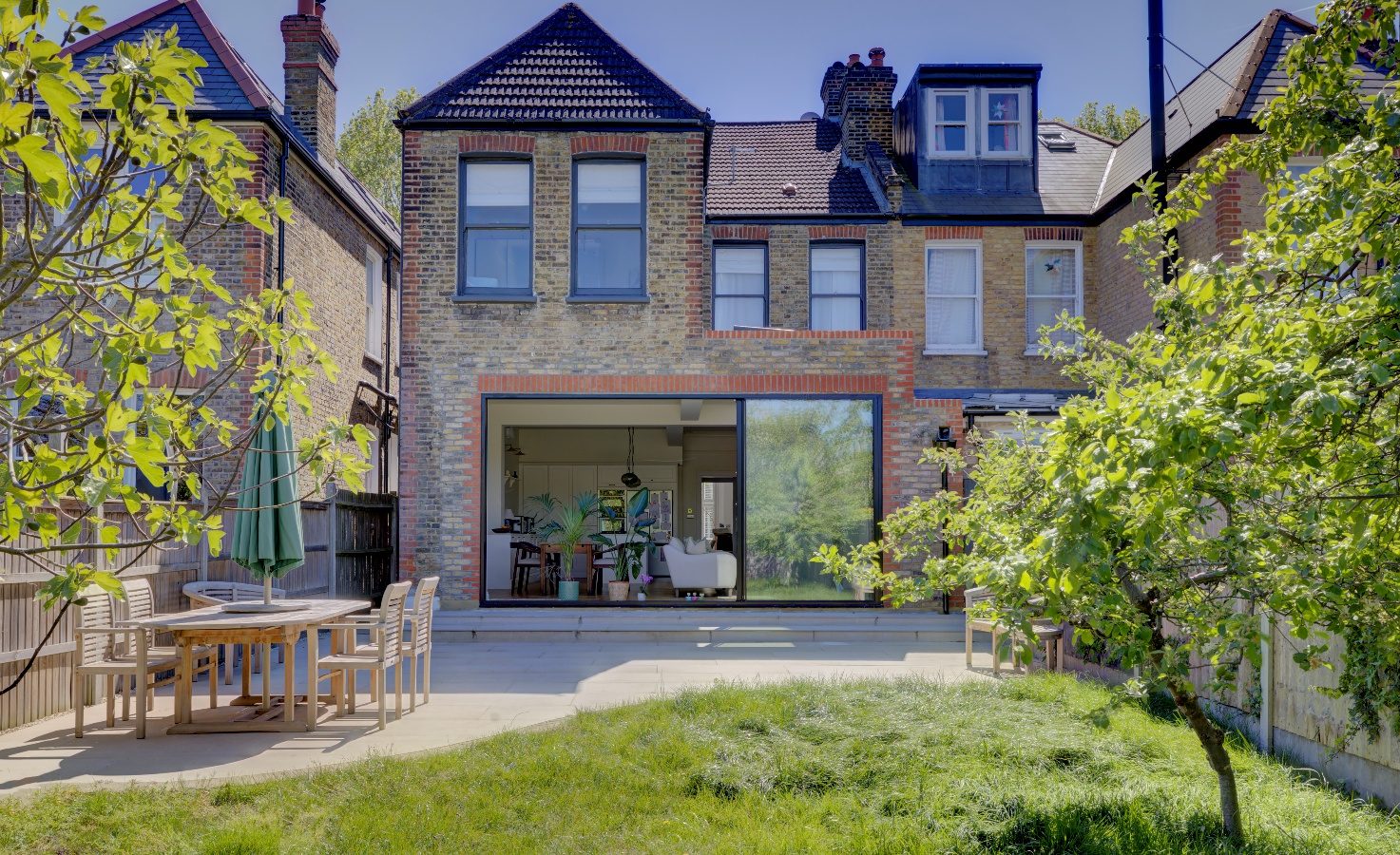
Exterior cladding is an outer layer fixed over a building’s walls to protect the structure and set how it looks. On an extension, the cladding you choose affects weathering, maintenance, insulation and whether the planners see the new work as fitting in. This guide explains the main cladding materials and the advantages of each, so you can match or contrast a ground floor extension with the original house.
The role of exterior cladding has changed dramatically over the years and is about much more than aesthetics. Exterior cladding shapes how a home looks, but it can also positively impact energy efficiency, and because it can give a home a boost in its kerb appeal, it can increase the resale value of your home.
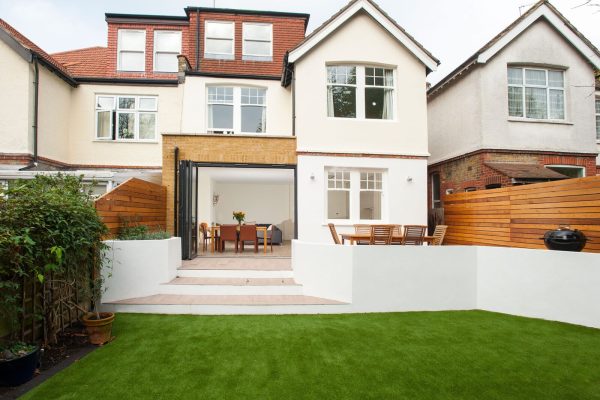
Your choice of exterior cladding can also directly impact the planning approval for your extension. In our guide, we explain the different materials to choose from and the advantages of each, and give you an idea of what your home would look like after your chosen cladding is installed.
What is Exterior Cladding?
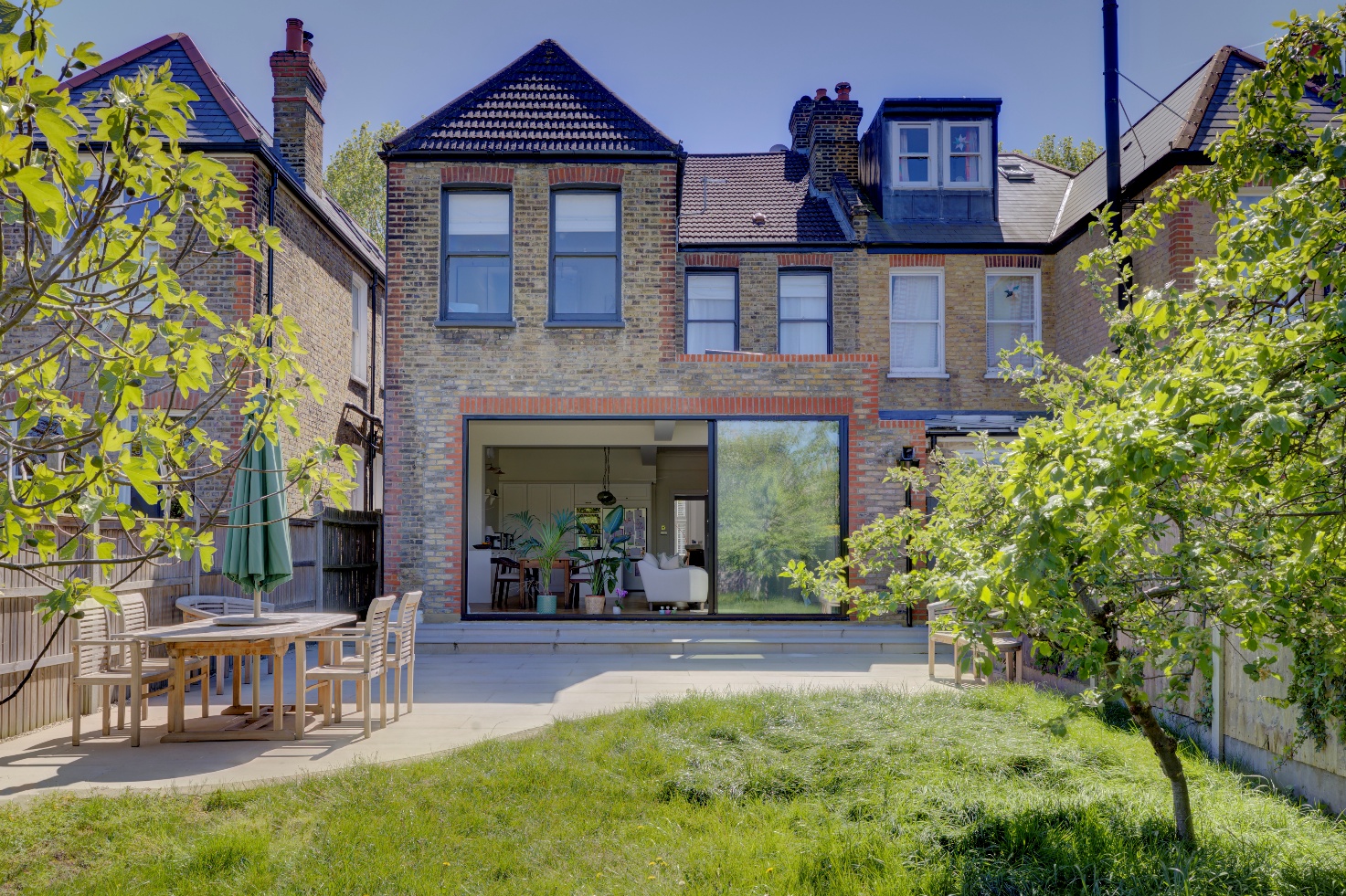
Cladding is the installation of a layer of material that covers a structure’s exterior surface – like an outer skin. Cladding plays an important role in how your home will look when it is completed, as it contrasts the new extension with the original building. Cladding can ensure that your extension looks ‘completed’. As well as adding to the building’s visual appeal, the cladding provides extra weather resistance as well as thermal and sound insulation.
There is a variety of cladding materials on the market. The type of cladding you choose can affect your application for planning approval. Your choice of exterior cladding will alter the overall look of your house, add value to your property and increase its durability (the types of cladding used are subject to regulations).
Timber Cladding: Natural Warmth for Modern Extensions
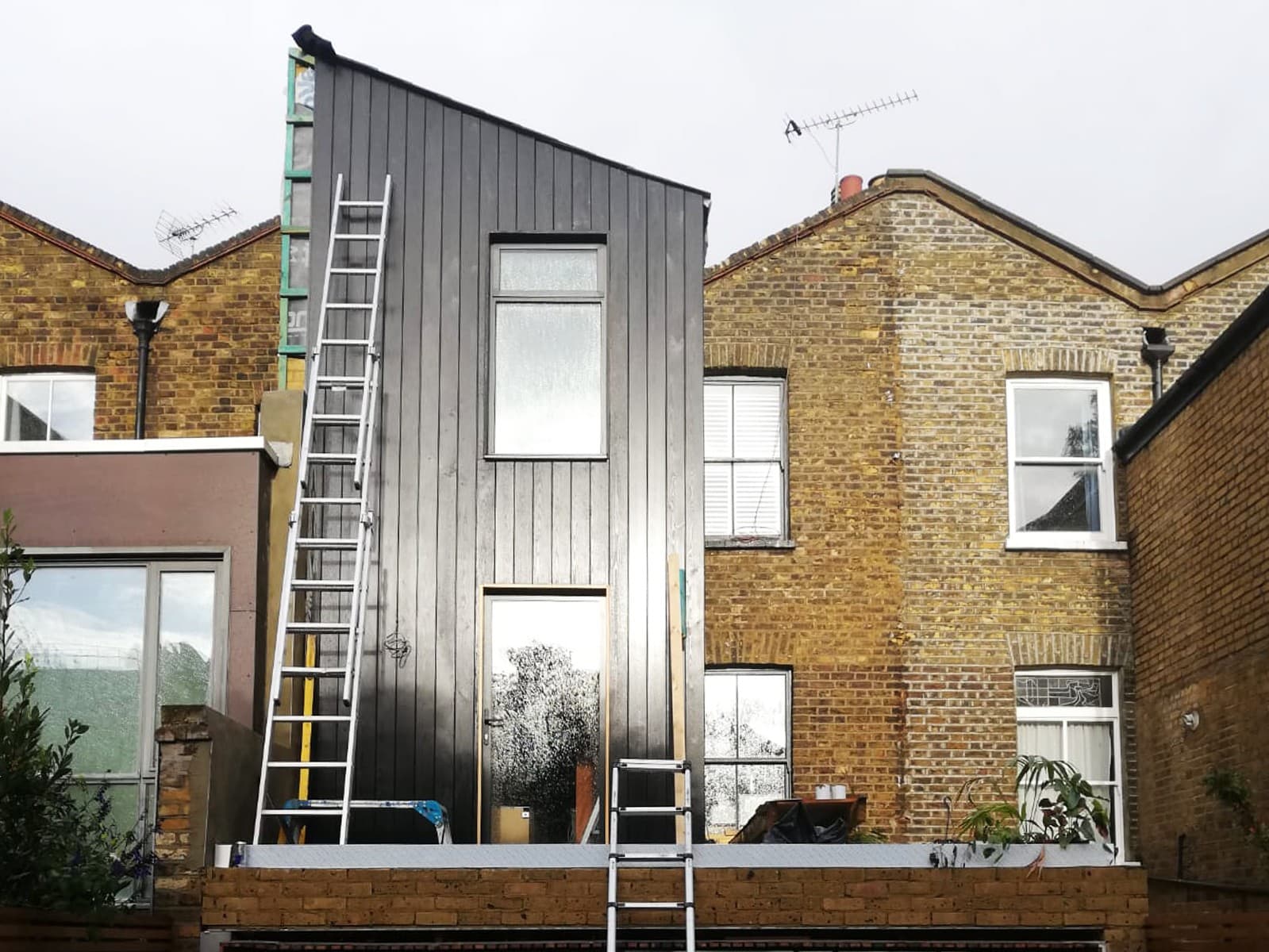
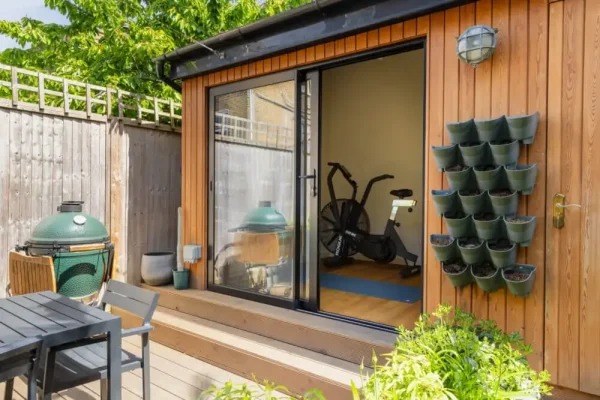
Timber cladding remains a popular option as it gives a home a warm, natural appearance and has sustainability credentials as it is a renewable resource when sourced responsibly. Timber cladding is versatile as it can complement both traditional and contemporary architecture.
It is available in a variety of woods, shapes of panels and vertical battens (Scandi style), thermos-treated timber and colours. Timber cladding can improve thermal performance when used in conjunction with suitable insulation. An important safety consideration when choosing timber is its fire rating. Timber cladding is striking in appearance and can certainly enhance kerb appeal and possibly the value of your property.
Timber cladding does require more maintenance than other materials. Exposure to sun, rain and fluctuating temperatures can cause fading and weathering – and in some situations even warping of the wooden panels. To help protect the wood and maintain its good looks, house owners are encouraged to regularly apply wood stain, wood oil or paint.
How often these protective treatments need to be applied will vary depending on the location of your home and the type of wood used. Most protective treatments need to be reapplied every two to five years. It is also advised that regular checks are made on wooden cladding for signs of mould, rot and insect damage. Certainly, maintenance requires extra effort but the natural beauty of the wood makes the extra effort worthwhile.
Stone Cladding: Premium and Timeless Facades
Stone cladding is still a popular choice as it gives a property an enhanced appearance that is easy to install and durable. Natural stone and high-quality stone effect products are available in a variety of shapes and colours. Both add character to the house, but also blend well into the natural surroundings. This is the choice of many homeowners who want a premium look for their home that enhances its traditional architecture.
Stone makes a sound choice for exterior cladding as it is very resistant to weathering, fire and impact damage. It can certainly add to your home’s kerb appeal and potentially its property value too. The main drawback is that the cost and installation of stone cladding are higher. The weight of the stone may require additional structural support, and it is more labour-intensive to install, which adds to the cost. The lightweight stone veneer alternatives are easier to install and enhance the look of modern extensions well. They are also planning-friendly for use in traditional areas.
A big advantage is that it is low maintenance and just requires regular cleaning to remove dirt, moss and algae – especially if it is positioned in the shade. Homeowners should also regularly check the pointing and joints of the cladding to ensure that they are waterproof. Stone cladding is very durable and definitely boosts the aesthetic appeal of a new extension.
Metal Cladding: Contemporary & Low-Maintenance Design
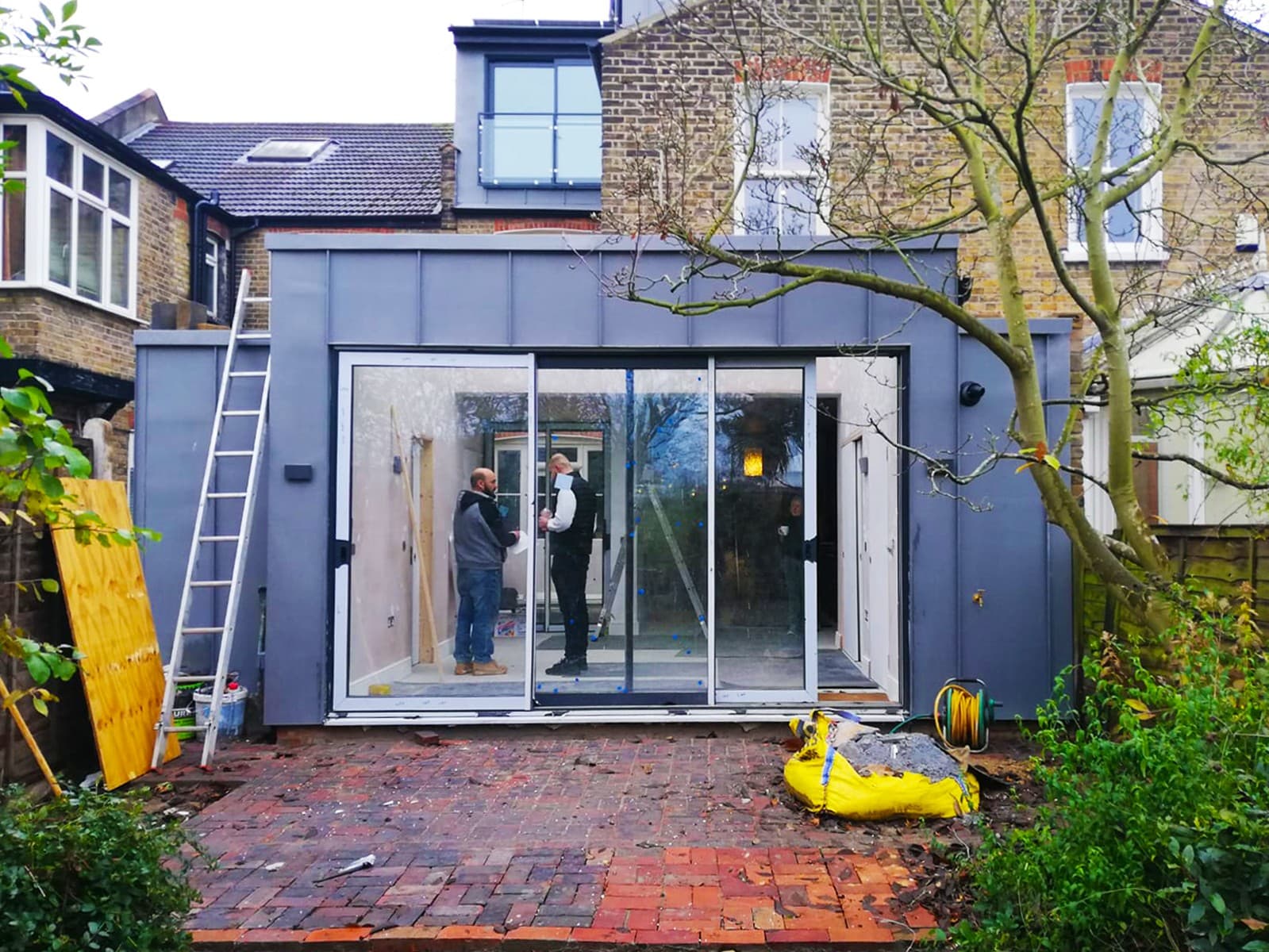
Metal cladding is increasingly popular as it is a clean and contemporary option that suits contemporary home extensions and architect-designed properties really well.
Metal cladding is available in a range of metals, including steel, aluminium, zinc and copper, and the result is a sleek contemporary appearance for your home. Some of the metals develop a patina over time, and this can add to their appeal – weathered zinc is particularly popular. An important point to consider is that some darker metals can absorb heat during the summer months.
Metal cladding is extremely durable, resistant to pests and rot and suitable for a wide range of weather conditions. Many metal cladding systems are recyclable and complement energy-efficient building designs. The main disadvantage in choosing metal cladding is the upfront costs – both for the materials and also because specialist expertise is needed for its installation to ensure that the metal’s waterproofing properties and thermal performance are both optimised.
Maintenance is low, just a cleaning to remove dirt and pollution. In coastal areas, salt deposits will need to be removed. Regular inspections for dents, scratches, any signs of corrosion or loose fittings will ensure that the metal cladding stays looking good for many years.
Brick Cladding: Seamless Extension Matching Existing Homes
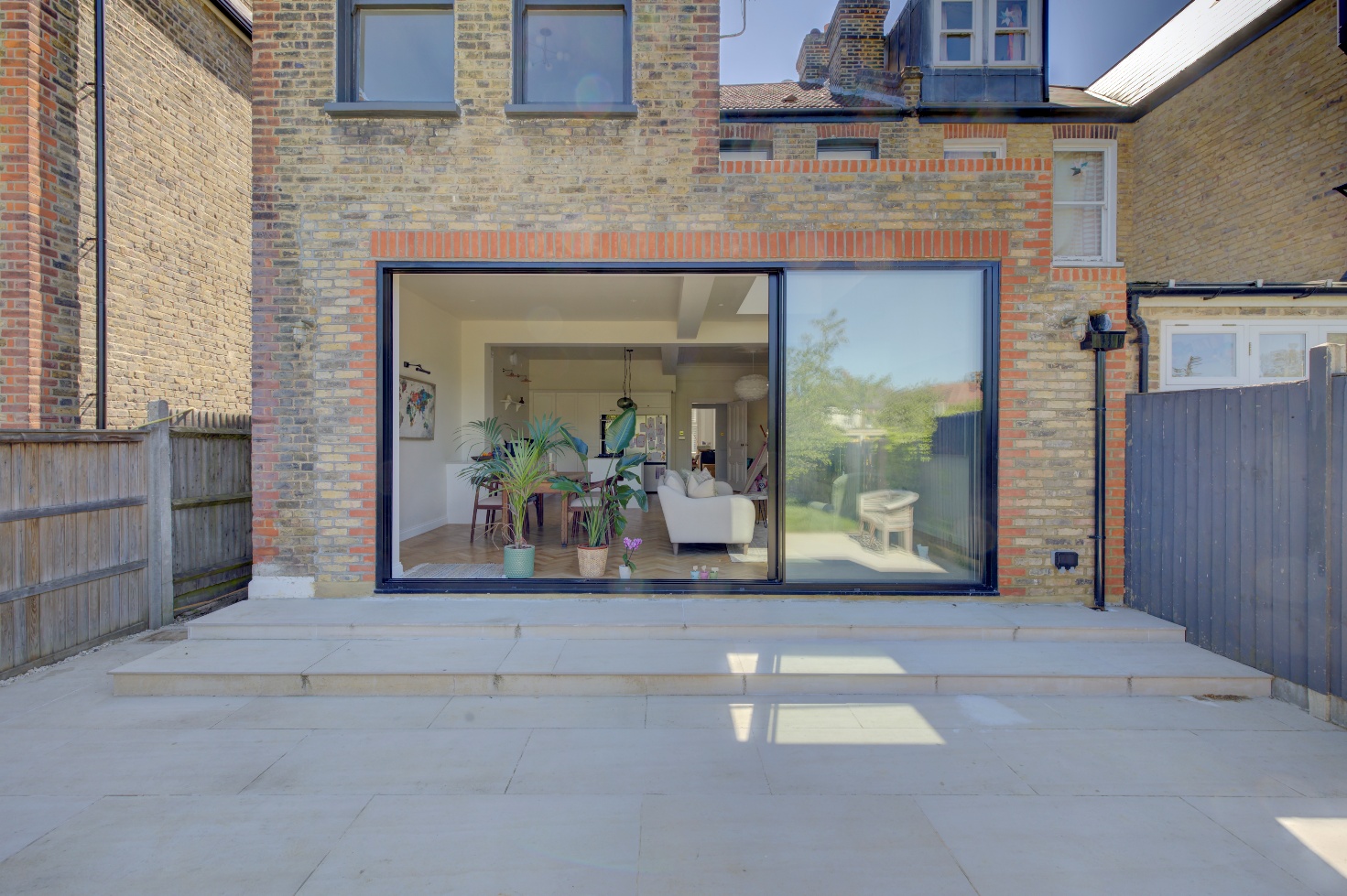
Brick cladding is popular with homeowners who want to retain the traditional appearance of their home, as this will match existing facades and successfully blend old and new brickwork. The big advantage is that modern construction methods can replicate the look of a brick wall – without the same structural requirements.
Brick cladding comes as brick slips or as a thin brick veneer. It is very durable, weather-resistant and can be successfully used to complement period and contemporary architectural designs. Brick cladding has a timeless appeal and can make a new extension blend seamlessly with the original building.
Brick cladding can be more expensive to install, as good workmanship is required for an authentic finish. A high-quality system can be a significant investment. Maintenance is low with just a regular clean to clear moss and algae, but it is important to make a regular inspection for cracks, loose slips and deteriorating pointing as these can negatively impact waterproofing. Quality brick cladding with good installation will prove a durable and attractive facade for many years to come.
Fibre Cement Cladding: Flexible Modern Finish
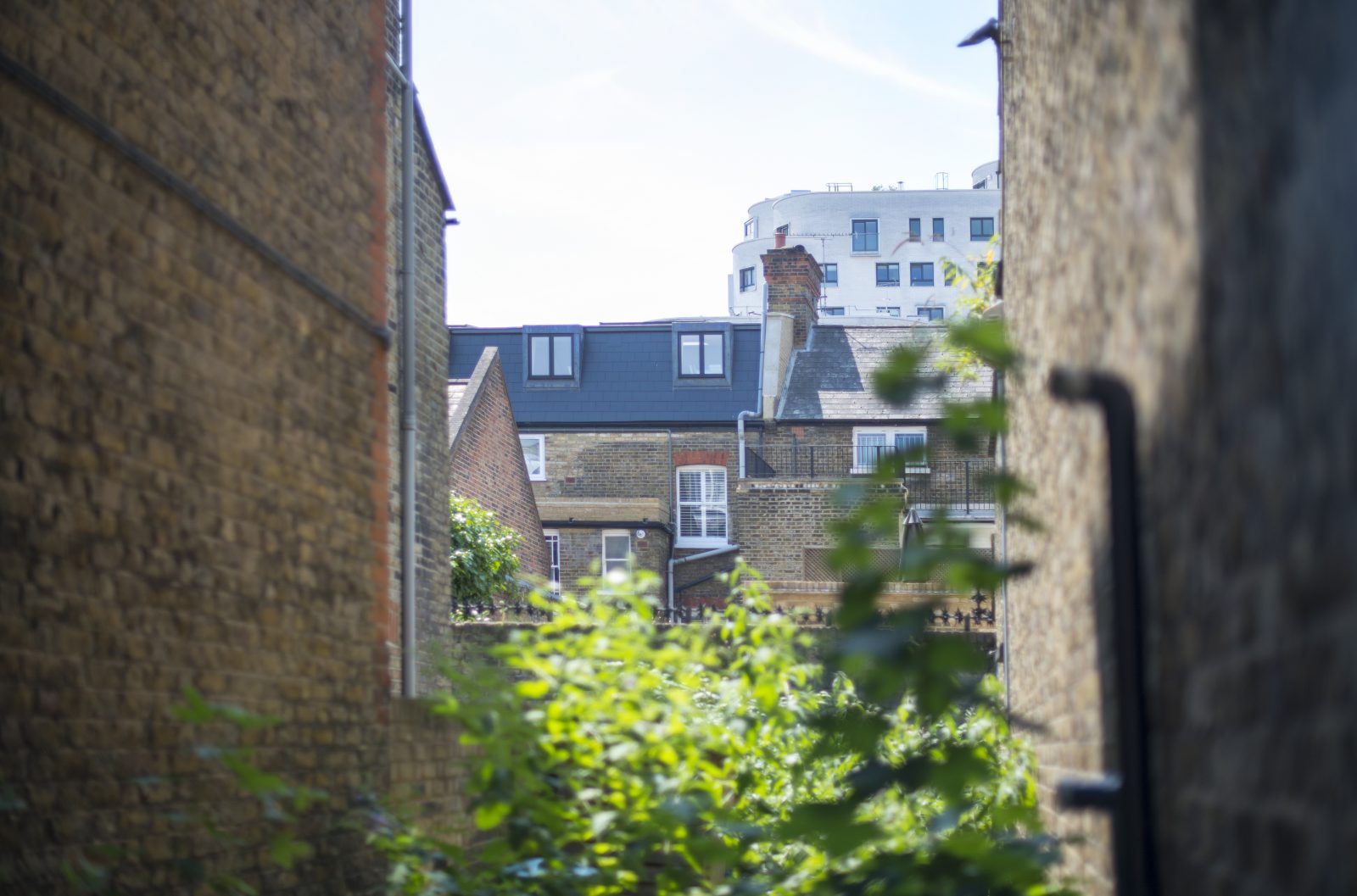
Fibre cement cladding continues to be a popular external cladding as it has a clean, contemporary look that combines durability, versatility and low maintenance requirements. Fibre cement is made from cement, cellulose fibres and other materials and has been designed to withstand a variety of weather conditions without warping, rotting or pest damage – and very importantly, is fire-resistant.
Fibrecent is made into large-format panels with good colour stability. Fibre cement can replicate the look of stone or timber – but prove more durable. It is available in a range of different colours and textures.
Fibre cement cladding does incur higher upfront costs as its installation is more labour-intensive. Boards must be cut carefully to size and must be fitted precisely to ensure that they are weather-resistant. Maintenance is just regular cleaning to remove dirt and algae. Impacts on the panels can cause chipping or cracks, and the damaged boards will need to be replaced.
Homeowners should check the cladding regularly to ensure joints and sealants are watertight. Fibre cement is a very practical choice for those who want their extension to look good with minimal maintenance.
Final Thoughts
Choosing the right type of external cladding can really make a difference to the value, durability, and design cohesion between your new extension and original house.
If you have any questions or would like to arrange a free Consultation with one of the BuildTeam design and planning experts, our telephone number: 0207 495 6561 or email hello@buildteam.com.