Internal courtyards are becoming a popular design solution in urban UK homes to help bring more natural light into the home. As well as creating a natural haven, an internal courtyard brings many health benefits. Internal courtyards can be used not only to boost light but also to avoid planning constraints and help make compact urban homes feel lighter and airier.
Internal Courtyards for Natural Light in Extensions
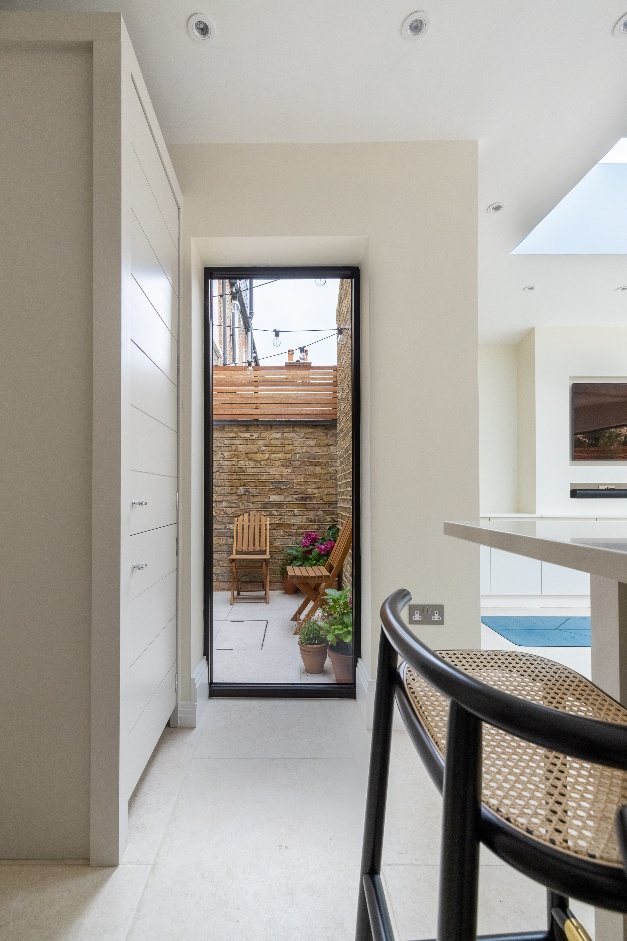
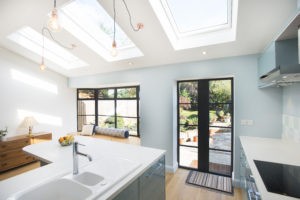
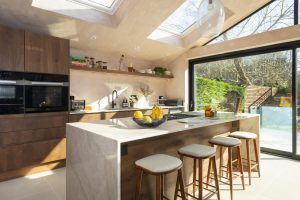
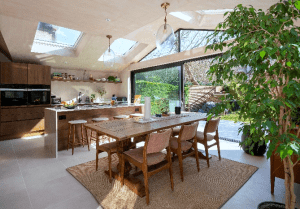
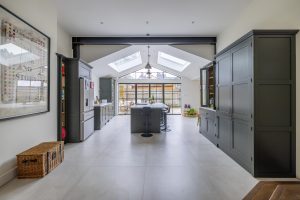
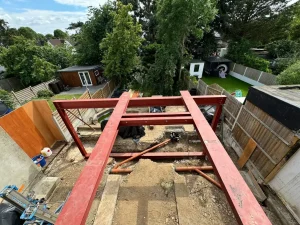
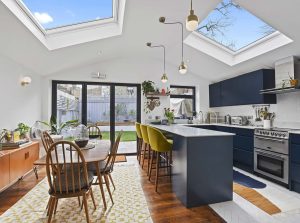
There are several architectural uses for internal courtyards. Wraparound and rear extensions can create dark central zones, and the solution to this is the installation of rooflights or, better still, rooflights and an internal courtyard, as this will dramatically increase the amount of natural light reaching all parts of the extension and rooms in the original building that have been impacted by the addition of the extension.
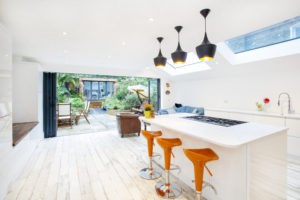
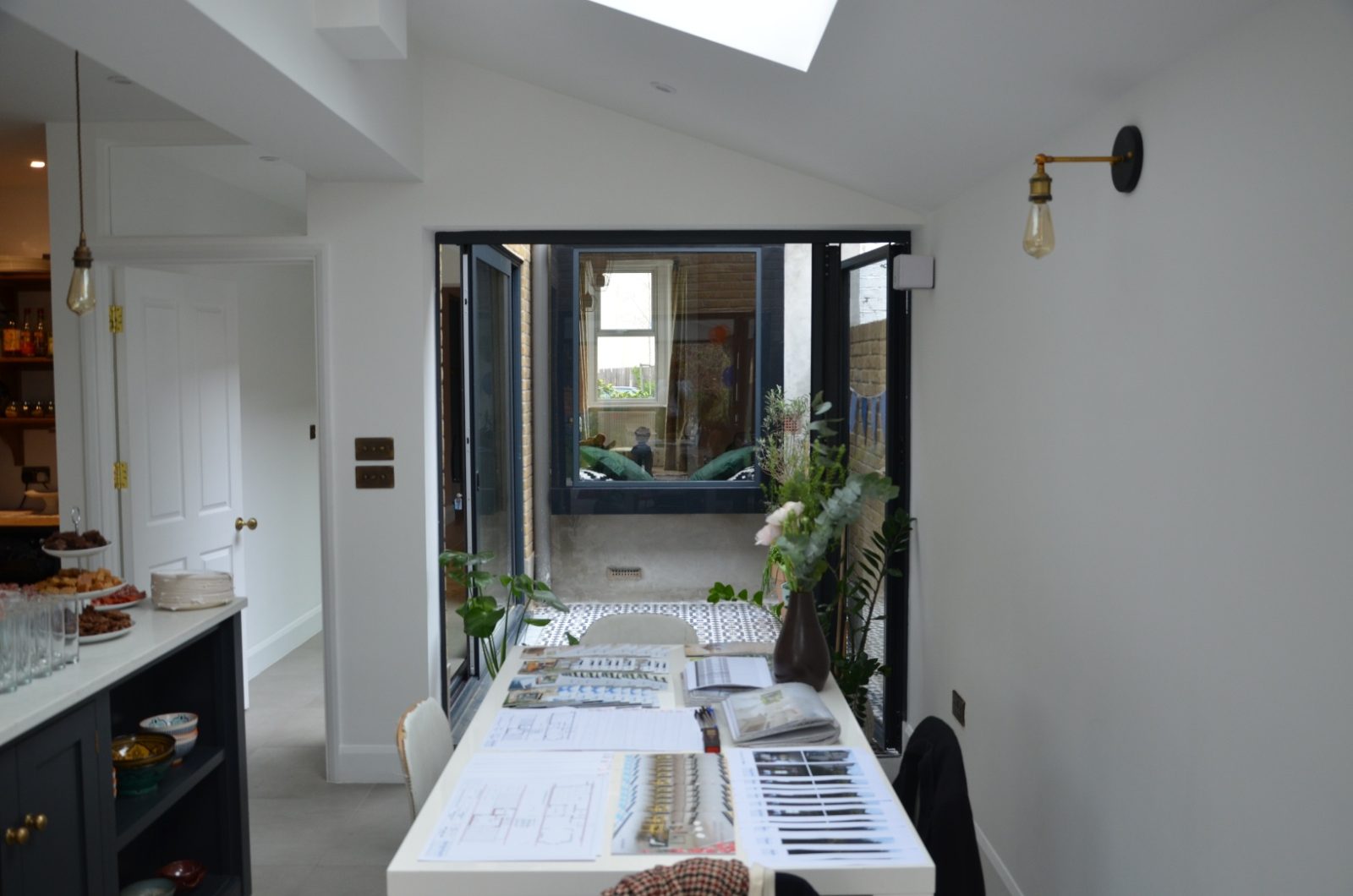
The internal courtyard will act like a ‘light well’ and help light to reach the heart of your home that has become darker following the addition of your new extension. Glazing around the courtyard will maximise this effect as the sunlight will be able to penetrate more deeply into your home. This has the bonus of making all spaces brighter and airier. They will feel pleasant and inviting, and this will ensure that they are used optimally by family members.
Courtyards for Passive Ventilation and Airflow
Ventilation is a key element that designers and architects consider when creating new spaces. Everyone enjoys fresh air, and this is exactly what courtyards in the middle of your home can provide, as they are a natural source of ventilation. This is known as passive ventilation, as it uses natural air rather than an electronic system.
When it has been well designed, it encourages cross-ventilation, which is the term used to describe how fresh air can circulate freely around a home. Warm air rises naturally and escapes from higher windows, and cooler air is drawn in at lower levels, thus creating a continuous flow of fresh air. When the glazing has been placed strategically, and the correct type of glass is used to avoid overheating, this process keeps the home cooler during hot summer months.
Cross-ventilation also minimises condensation, making the living environment healthier. When passive ventilation is incorporated in the design of a new extension, it will create a more comfortable environment with lower energy consumption and the bonus that it feels more connected to the outdoors.
Creating a Sense of Space in Compact Homes
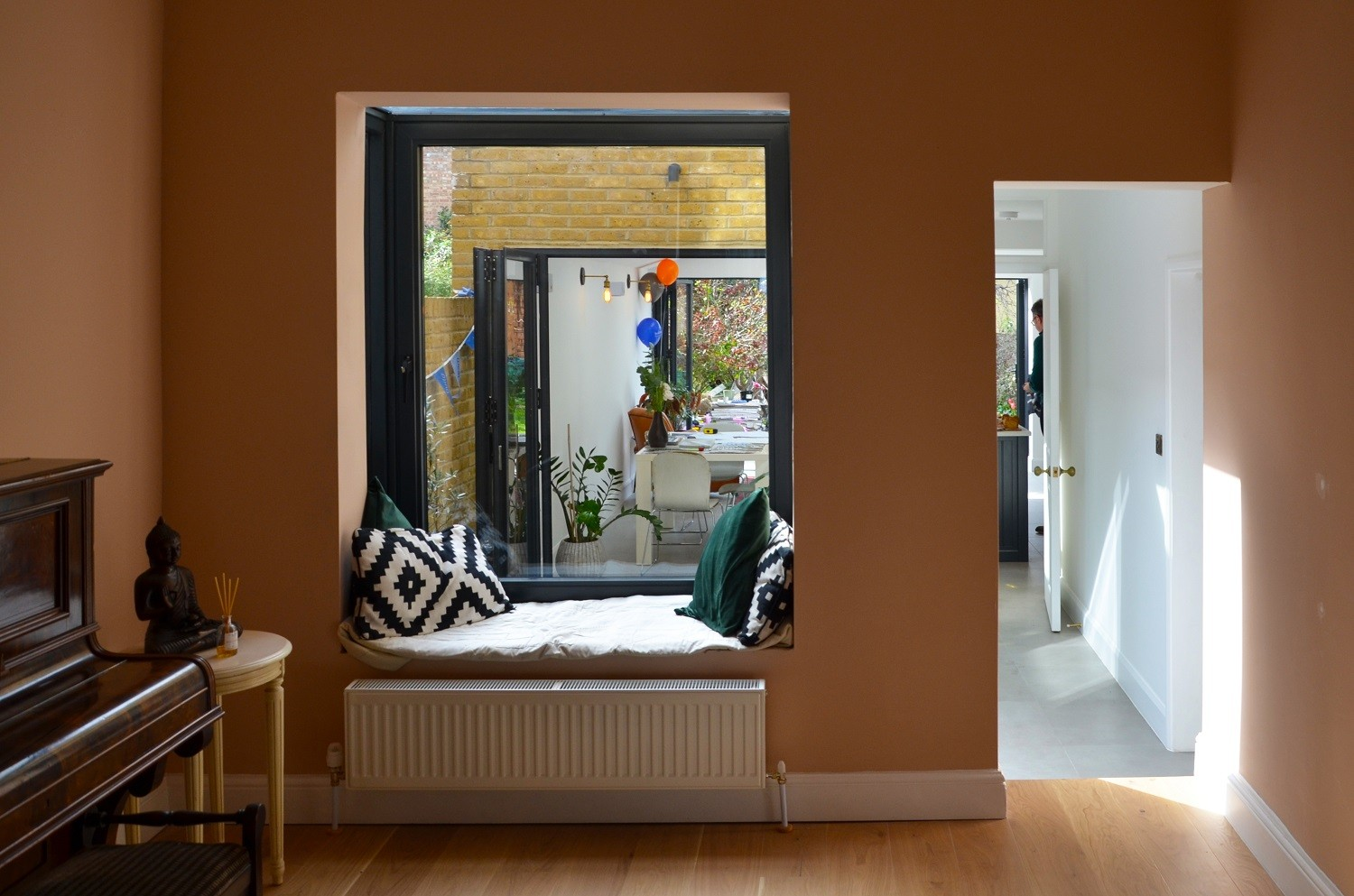
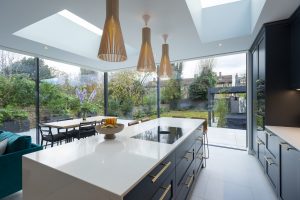
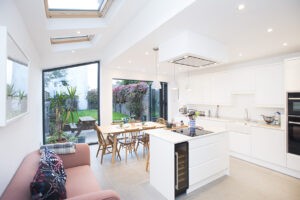
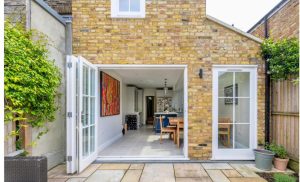
An advantage of having an internal courtyard is that it often does not need to be large to make a home feel significantly bigger. This is because looking out on an attractive open space – rather than a neighbour’s wall or fence – helps to create a feeling of space and airiness. Doors can open out onto the courtyard, and this creates a closer connection to the outdoors. With views of the sky, the plants and plenty of natural light, the result is that your home will feel spacious with an airy atmosphere.
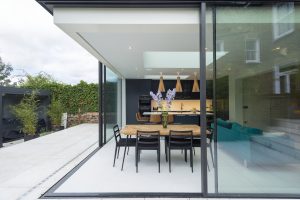
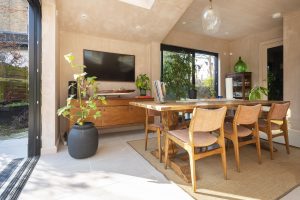
This sense of openness can be enhanced by some clever design choices. Floor-to-ceiling windows, slim-framed doors and continuous flooring throughout will all be beneficial and strengthen the connection between the different zones in an open-plan layout. Light-coloured paint, reflective surfaces and well-positioned lighting all have a positive psychological impact that helps to maximise the feeling of space. At the design stage, if a higher or vaulted ceiling can be included in the plan, this will help to emphasise the feeling of space.
Courtyards as a Visual Focal Point in Home Design
As well as the functional benefits of a courtyard, it brings many aesthetic design benefits as it becomes an attractive oasis and visual focal point in the heart of your home. As well as providing extra outdoor space for leisurely moments, views of the courtyard can be enjoyed from different rooms and zones throughout the year, as it will provide an ever-changing backdrop through the different seasons.
Current biophilic design trends will emphasise the sense of well-being. The use of natural materials such as glass, timber and brick blends the boundary between the indoors and out. Carefully chosen attractive plants, natural textures and shades of green, plus a water feature (if there is room) – all help strengthen the family’s connection with nature. This will reduce stress levels and boost their sense of well-being. Biophilic elements help to create a more relaxing environment.
Courtyards as Architectural Feature Elements
Visually, courtyards are very interesting aspects to add to your home and can become a defining architectural feature and improve the flow of your home.
An interior courtyard can be the central focal element, and architects can design rooms around the courtyard so that it will provide an attractive outlook for such key spaces as the main living area, dining area or even a guest bedroom and strengthen the connection between them. Clever lighting of the inner courtyard can create a relaxing ambience at night that makes it feel secluded and private.
Even in relatively compact homes, a well-designed internal courtyard can create the impression of a much larger living environment while providing an attractive focal point that can be enjoyed from multiple rooms.
When a Courtyard Makes Sense in a UK Extension
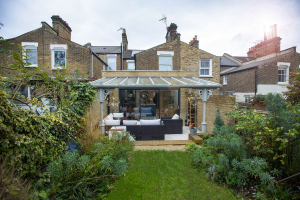
An internal courtyard can be really effective in urban areas in the UK, where space is limited, and a new extension may negatively impact the amount of daylight being able to reach the heart of the home. This is usually the case in terraced houses and semi-detached period properties. Courtyards can work effectively with both side-return extensions and wraparounds as well as deep floor plans. Internal courtyards ensure both new and original parts of the building benefit from good natural light and ventilation. An internal courtyard can transform dark hallways, kitchens and living spaces into light, bright and airy spaces.
Planning and Practical Constraints
Architects find that incorporating an internal courtyard helps them to design a larger extension that does not dominate neighbouring properties. They must take privacy, conservation restrictions, drainage and local planning policy into account and consider whether the design of the new extension will affect neighbours’ privacy.
Adding an internal courtyard will reduce the overall amount of floor space gained with the extension, but can add value by increasing light and ventilation, plus adding architectural interest, which will all enhance family life. Building an internal courtyard will bring additional costs for structural design, glazing, drainage and landscaping, but most homeowners view it as a worthwhile investment as it enhances family life and can increase the property’s value.
At Build Team, we have completed many extension projects featuring internal courtyards. We are happy to help you to discover the benefits of adding a small courtyard to your planned extension, and we can advise on how to gain planning approval, as well as suggest interesting designs. Why not contact us today?
Thinking about an internal courtyard?
BuildTeam helps London homeowners design bright, practical extensions with internal courtyards, improved natural light, better airflow and layouts that make compact homes feel more spacious.
Or call 020 7495 6561 · email hello@buildteam.com