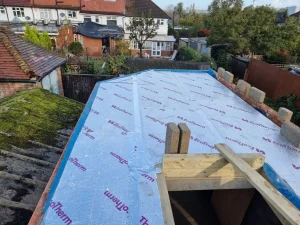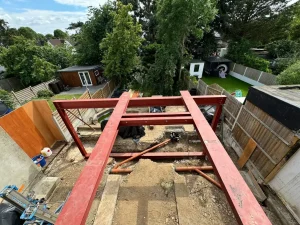

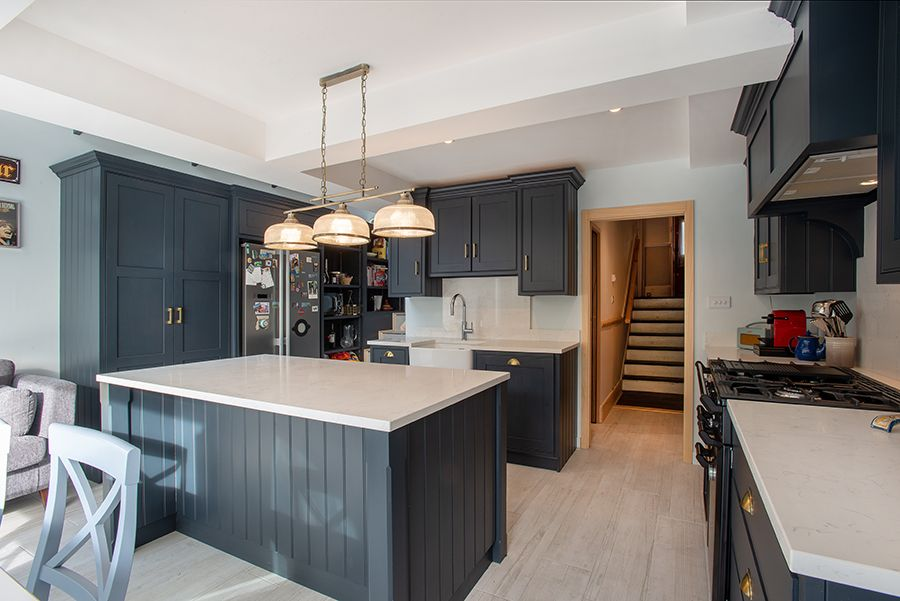
For London homeowners, extending their property with a new extension remains one of the best ways to add space, increase property value and avoid the high costs of moving.
Recently, the financial aspect of home extensions has evolved significantly and needs far more preparation. Rising interest rates and labour costs, fluctuating material prices and new sustainability incentives all mean that budgeting is no longer straightforward and requires strategy, foresight and a good grasp of modern construction economics. One of the main mistakes made is that house owners focus on the costs of the construction and underestimate the expense of the professional services needed long before work begins. Most extension projects require a larger consultation team than homeowners expect.
This guide brings you everything you need to know to plan, fund, and manage your home extension budget effectively in today’s market.
Understanding Extension Costs
Before discussing the financial aspect, it is crucial to understand how much a home extension actually costs in London today. The most useful benchmark to use is the ‘cost per square metre’, which gives you a quick and very realistic starting point.
London homeowners can expect the ‘cost per square metre’ to be:
- Basic extension: £2,500- £3,000 per m²
- Mid-range extension: £3,000- £4,000 per m²
- High-spec extension: £4,000- £6,000+ per m²
These figures cover not just the cost of labour and materials, but also other costs incurred with an urban build, including access restrictions and the higher contractor demand across the Greater London area.
The Professional Team Fees
One of the biggest shifts in extension projects in recent years has been the increased use of a professional team for even modest projects. Beyond your architect or your ‘design and build’ company, you may also need a structural engineer, a party wall surveyor and a principal designer to ensure health and safety compliance under CDM (Construction, Design and Management) rules.
Together, the services of the professional team can add 10–15% to your pre-construction costs – particularly in the London boroughs, where Planning and structural requirements can be more stringent. These costs must be factored in from the outset and not treated as optional extras.
Material Price Fluctuations
A major challenge is price instability. Materials such as timber and steel are subject to global supply fluctuations. This means that contractor quotes may only be valid for 7- 14 days because of the market volatility. This makes early budgeting very tricky and reinforces the importance of contingency planning. Delaying decisions during the planning stage can affect the overall price of the project. Because of this, many contractors now include price fluctuation clauses in their quotations.
Establishing a detailed cost plan early on helps to minimise surprises and also helps you to prioritise spending throughout the project.
Create a Realistic Budget
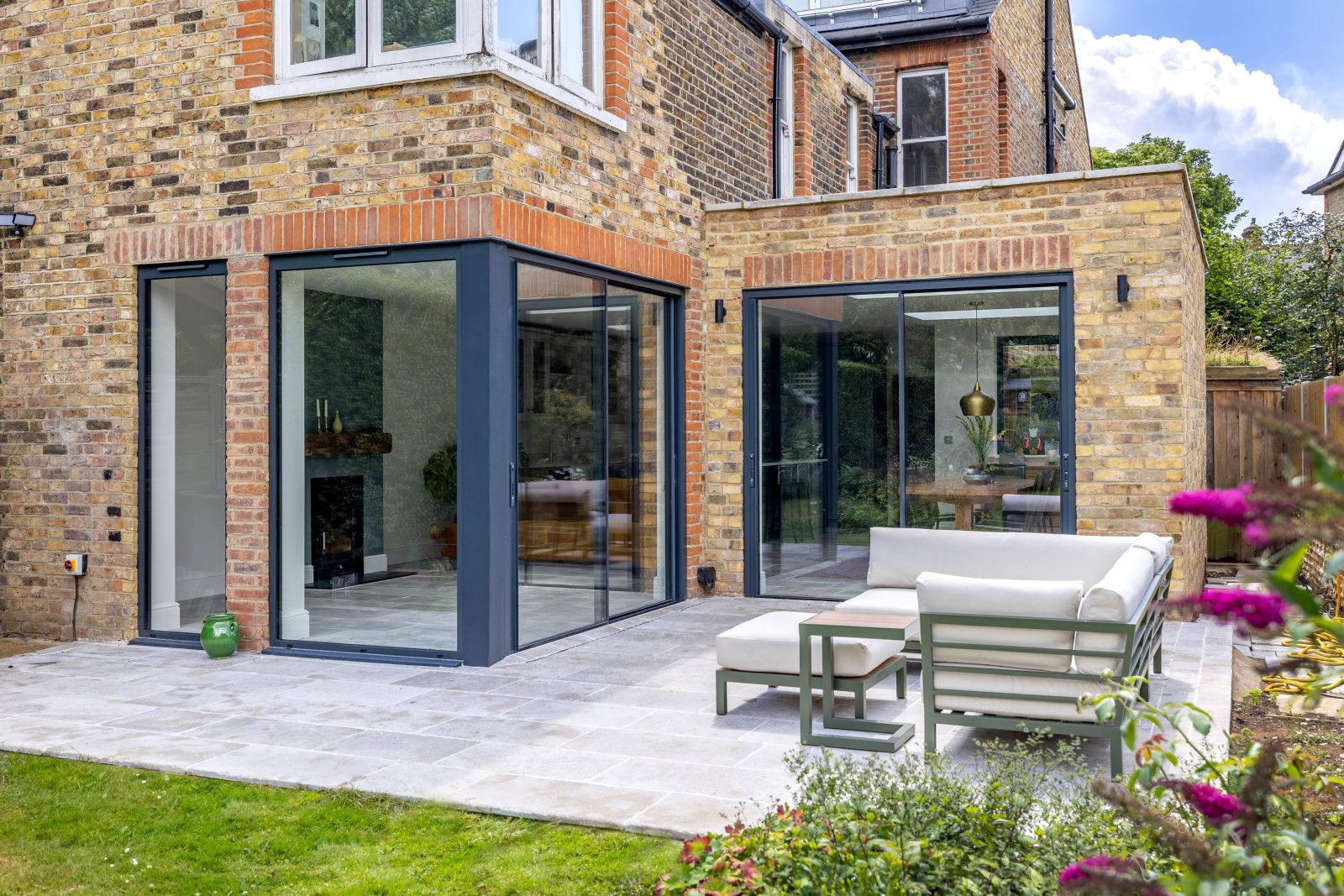
Once you have an accurate estimate of costs that takes into account taxation, future energy performance and post-completion expenses, the next step is to structure a budget that reflects how the money will actually be spent during the building project.
The Budget Hierarchy
A practical way to allocate your budget accurately is to follow this breakdown:
- Structure (60%) – foundations, steelworks, walls, roof, glazing and insulation
- Services (20%) – plumbing, electrics, heating systems, ventilation and smart systems
- Finishes (20%) – flooring, kitchens, joinery, lighting and décor
Following this breakdown carefully will help prevent overspending on aesthetics at the expense of essential structural and energy-performance elements – this is a common mistake in residential projects. It is important to remember that finishes can be upgraded gradually as funds permit, but poor structural work is extremely expensive to put right.
VAT and Tax Efficiency
Most home extensions in the UK are subject to the standard 20% VAT, which can significantly impact the total cost of the extension. However, there are important exceptions and factoring these in can make sustainable upgrades more affordable. Many homeowners fail to maximise on VAT and tax efficiency.
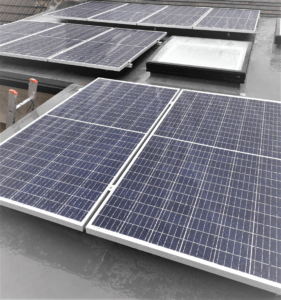
Certain energy-saving measures, such as heat pumps, solar panels and high-performance insulation, may qualify for 0% or reduced 5% VAT. Eligibility for this reduction depends on the type of property and installation, so it is well worth consulting a specialist at the start of the planning stage.
Post-Completion Costs
Many homeowners focus solely on the construction element of their extension project, but in reality, the spending does not stop when the builders complete the building phase. You should also budget for the following:
- Landscaping and garden restoration
- Furniture for the new expanded space
- Interior styling and décor of the extension
- Increased council tax due to your property’s increased value
The costs mentioned above can easily add another 5- 10% to your total project budget if they are not included in the initial costing.
Funding Your Home Extension
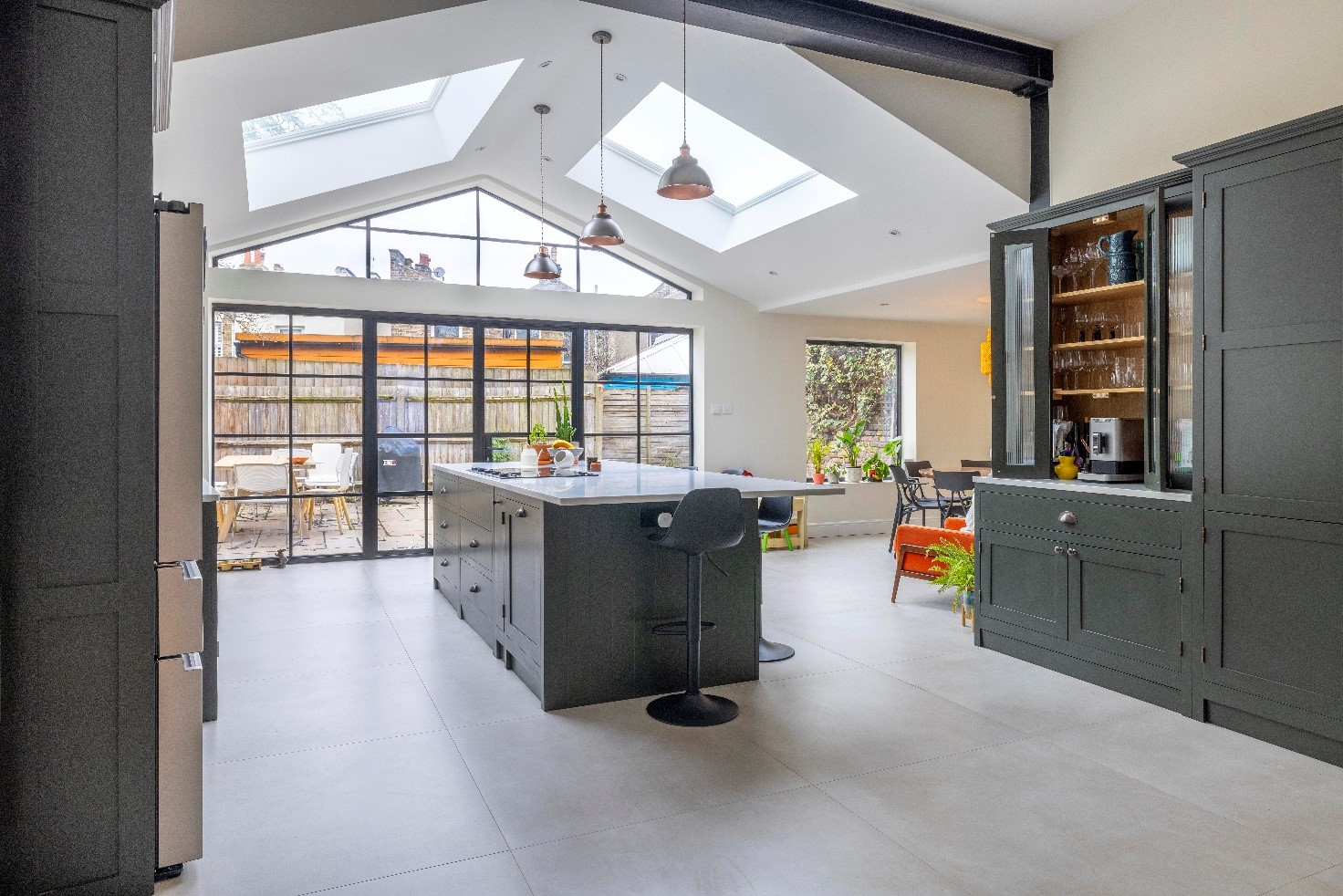
Extending your home is definitely viewed as the smarter financial option than moving house. However, with a clear budget in place, the next step is to secure the right type of financing for your extension project based on a clear understanding of borrowing options, lending criteria and long-term property values in your area.
Loan-to-Value (LTV) and Borrowing Power
Money lenders are placing greater emphasis on Loan-to-Value (LTV) ratios. This is the percentage of your property’s value that is mortgaged. If you have a lower LTV and more equity, you are more likely to be offered better interest rates. If a higher LTV is needed, the penalty will often be increased borrowing costs.
Before applying for additional borrowing, it is worth getting a professional valuation of your property to fully understand exactly how much equity you can realistically access as the amount you can borrow and at what interest rate will be determined by the projected value of your property once the new extension has been completed.
Green Mortgages and Modern Lending
A major trend is the rise of green finance products and other energy-linked borrowing products, which give preferential rates and other borrowing incentives. Many UK lenders now offer:
- “Green additional borrowing” through Green Mortgages
- Preferential interest rates for energy-efficient homes
This means that if your new extension will improve your property’s EPC rating to an A or B classification, you may qualify for reduced borrowing costs. This ensures that choosing a sustainable design with high-performance insulation, triple glazing and a low-carbon heating system can be a win-win situation, bringing benefits on both the financial and environmental fronts.
The Bridge Loan Alternative
If your equity is tied up elsewhere or you need short-term funding, bridge loans are another option to consider. A bridge loan can be arranged faster than traditional mortgages, and this is useful for time-sensitive projects. Bridge loans are short-term and, as such, do come with higher interest rates and fees, so they should only be used when you can put a clear repayment strategy in place.
Managing Financial Risks During Construction
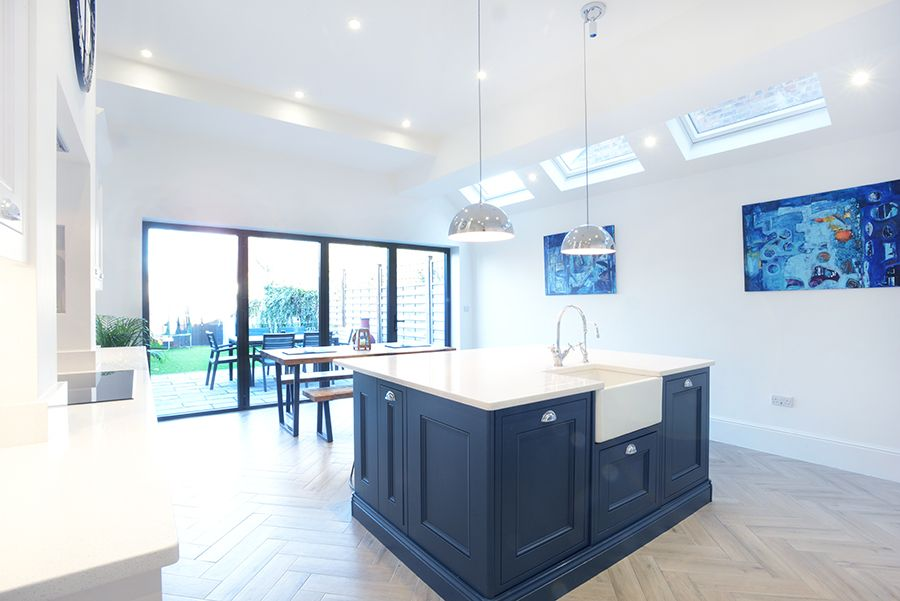
Even with the most careful planning, unexpected costs are almost inevitable. The key is managing this risk factor proactively.
Fixed-Price vs. Cost-Plus Contracts
The type of contract you choose has a major impact on your financial certainty:
- Fixed-price contracts have:
- Clearly defined costs and obligations upfront
- Lower financial risks
- They are ideal for budget-conscious homeowners
- Cost-plus contracts offer:
- The opportunity to pay for actual costs plus contractor margin as labour and materials are charged as the project progresses.
- Greater flexibility, but it does incur a management fee
- However, these contracts can lead to uncontrolled overspending if not tightly managed
In today’s volatile market, fixed-price contracts are considered the safer option by most homeowners, provided their scope is clearly defined.
Waste and Skip Hire Inflation
A lesser-known pressure on costs is waste disposal, as prices are increasing significantly. Skip hire and landfill fees have risen sharply due to landfill taxes and environmental regulations.
To help reduce costs:
- Implement a Site Waste Management Plan (SWMP)
- Recycle materials where possible
- Minimise over-ordering of materials
These points not only save money but also align with sustainability goals. Some extension projects now include Ste Waste Management Plans to help reduce costs through recycling of materials and staged deliveries. Some homeowners separate their own recyclable waste independently to help reduce costs.
Plan a Payment Schedule Strategy
One of the most important financial safeguards is planning how you will structure payments to your contractor.
Recommended advice includes:
- Never paying more than 10% upfront
- Link payments to completed stages of work, such as foundations, structural shell, roofing and first fix services. This approach helps minimise disputes and the risk of unfinished work.
- Retain a small portion until completion
Using these guidelines ensures you maintain control over the project budget at all stages, and this will reduce the risk of disputes or unfinished work.
Building a Contingency Fund
No matter how detailed your plan, unexpected issues can arise. These range from hidden structural problems to sudden material price increases.
A realistic contingency fund should be:
- 10–15% of the total project cost
This will act as a safety buffer and will allow you to adapt without compromising the quality or scope of your extension.
Maximising the Return on Investment (ROI)
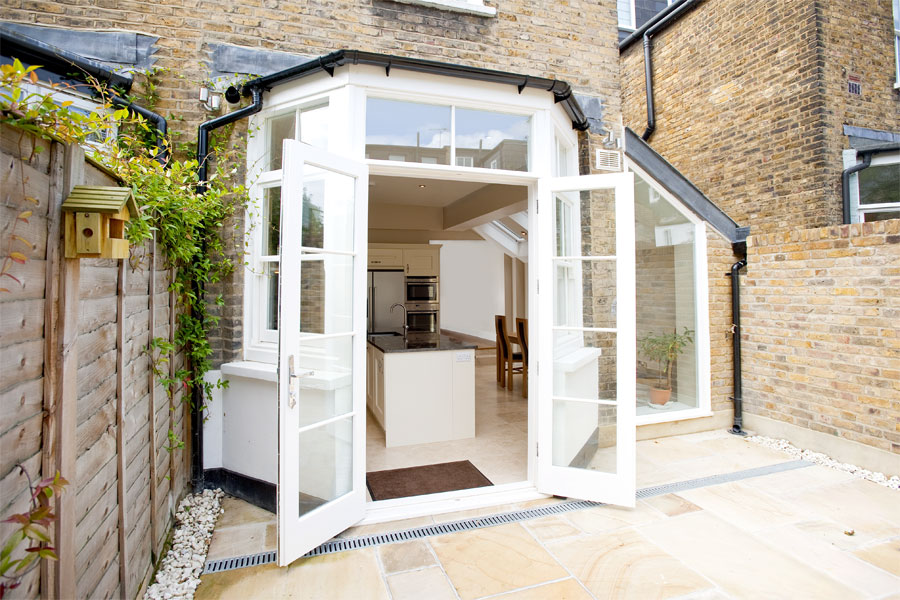
Beyond managing costs, it is important to consider how your extension will add value to your home.
In London, the most financially effective extensions tend to include:
- Kitchen-diners and open-plan living spaces
- Additional bedrooms or home offices
- Energy-efficient upgrades
A well-designed and built extension can increase property value by 15–25%, depending on the location. However, over-specifying for your area can actually reduce ROI, so always make a comparison against local property values before committing to high-end finishes.
The financial aspects to consider for a home extension are more complex, but they do pose more opportunities. With the right approach, you can navigate rising costs, take advantage of green incentives and create a space that enhances both your lifestyle and the value of your property.
The most successful extension budgets are those that have been well-controlled at all stages. The key to success is to move beyond rough estimates and adopt a structured, informed strategy. That will prove flexible, yet resilient. At the earliest stage, the following points must be considered and in place:
- Use accurate cost-per-square-metre benchmarks
- Factor in professional fees and volatile materials
- Build a realistic, tiered budget
- Choose financing that aligns with your long-term goals
- Protect yourself with smart contracts and payment schedules
With careful planning and good financial discipline, your London home extension can be a rewarding investment, not just for the added space and comfort, but for the future value of your home.
The team of experienced designers and builders at BuildTeam can help you create a bright, modern extension that will enhance both your lifestyle and the long-term value of your home. Why not contact BuildTeam today for an instant quote and a free consultation about your home extension plans, plus great personal advice on costs.
Our email: hello@buildteam.com Our telephone: 0207 495 6561.