Homeowners are prioritising energy efficiency, comfort and sustainability. Choosing the right heating system is more important than ever. Two of the most popular heating options are radiators and underfloor heating, but recent innovations in heat pumps, smart thermostats, modern insulation and renewable energy sources are all reshaping how we heat our homes.
Whether you are extending your home, planning a renovation or are keen to improve energy performance, it is important to understand the benefits and limitations of each system so that you can make the best long-term decision. We tell you the pros and cons of radiators and underfloor heating in 2026.
We compare comfort, cost and energy efficiency and consider aesthetics and smart features to help you choose the best and most sustainable heating for your home.
Radiators vs Underfloor Heating: Key Comparisons
1. Heat Distribution
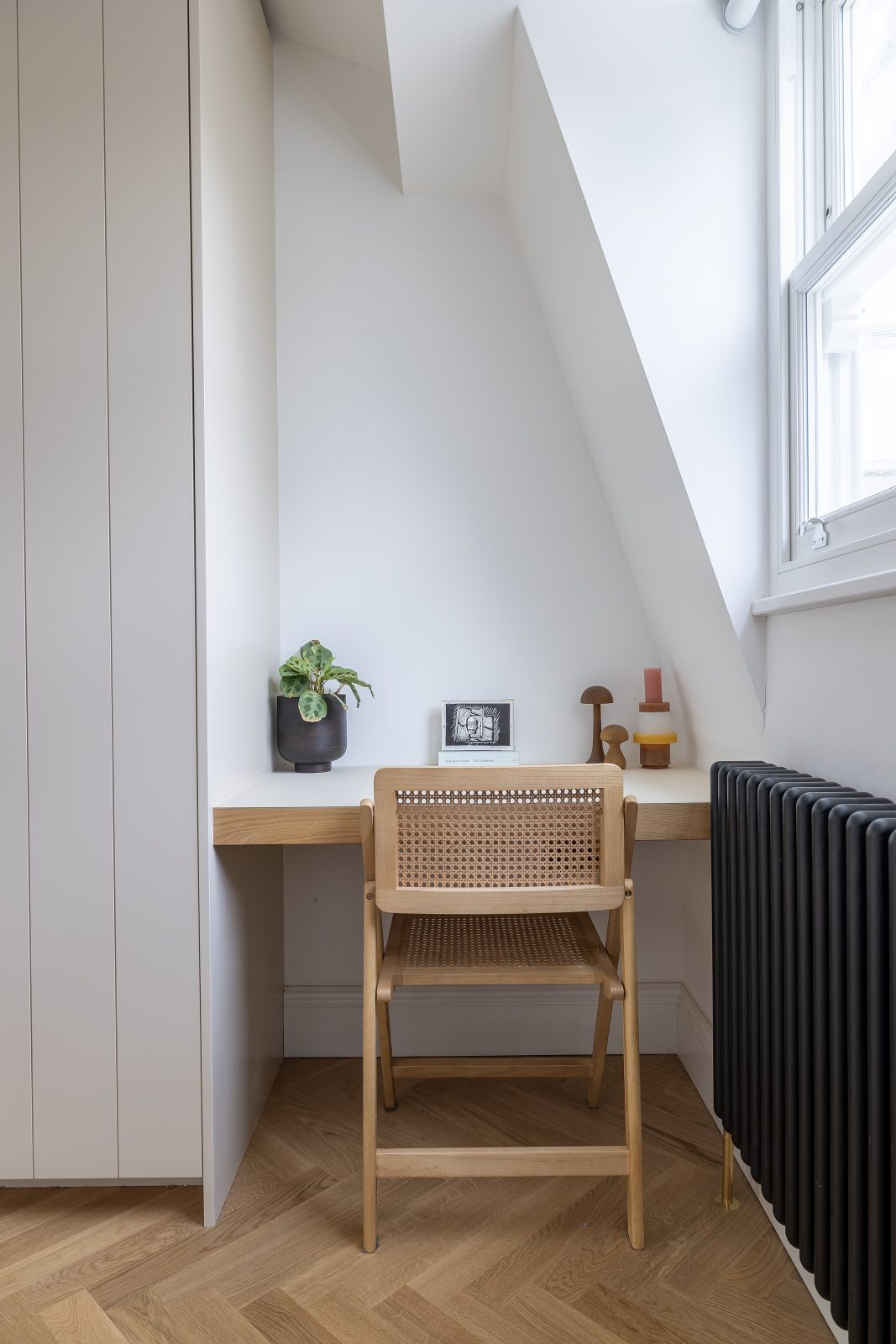

Radiators heat the space around them by warming the air. The air then circulates through convection. This can create warmer and cooler spots in a room, depending on its layout and insulation. Radiators need to heat up to 65 – 75 degrees Celsius, while underfloor heating only needs to run at 29 degrees Celsius or less, depending on the type of flooring.
Underfloor heating works by pumping warm water through plastic tubing. The tubing is put under the floor before the final surface is laid. Underfloor heating evenly distributes warmth across the entire surface of the floor. This creates a constant temperature throughout the room.
Modern under-floor heating systems are low-temperature ones that operate efficiently either with heat pumps or renewable systems. They perform really well with reduced running costs. Underfloor heating takes longer than a radiator to warm up the room, but it does retain heat for longer in the thermal mass of the floor.
2026 Update: Underfloor heating paired with smart thermostats balances room temperatures automatically with features such as pre-programmed heating schedules and energy tracking. Traditional radiators cannot match these modern upgrades
2. Comfort and Air Quality
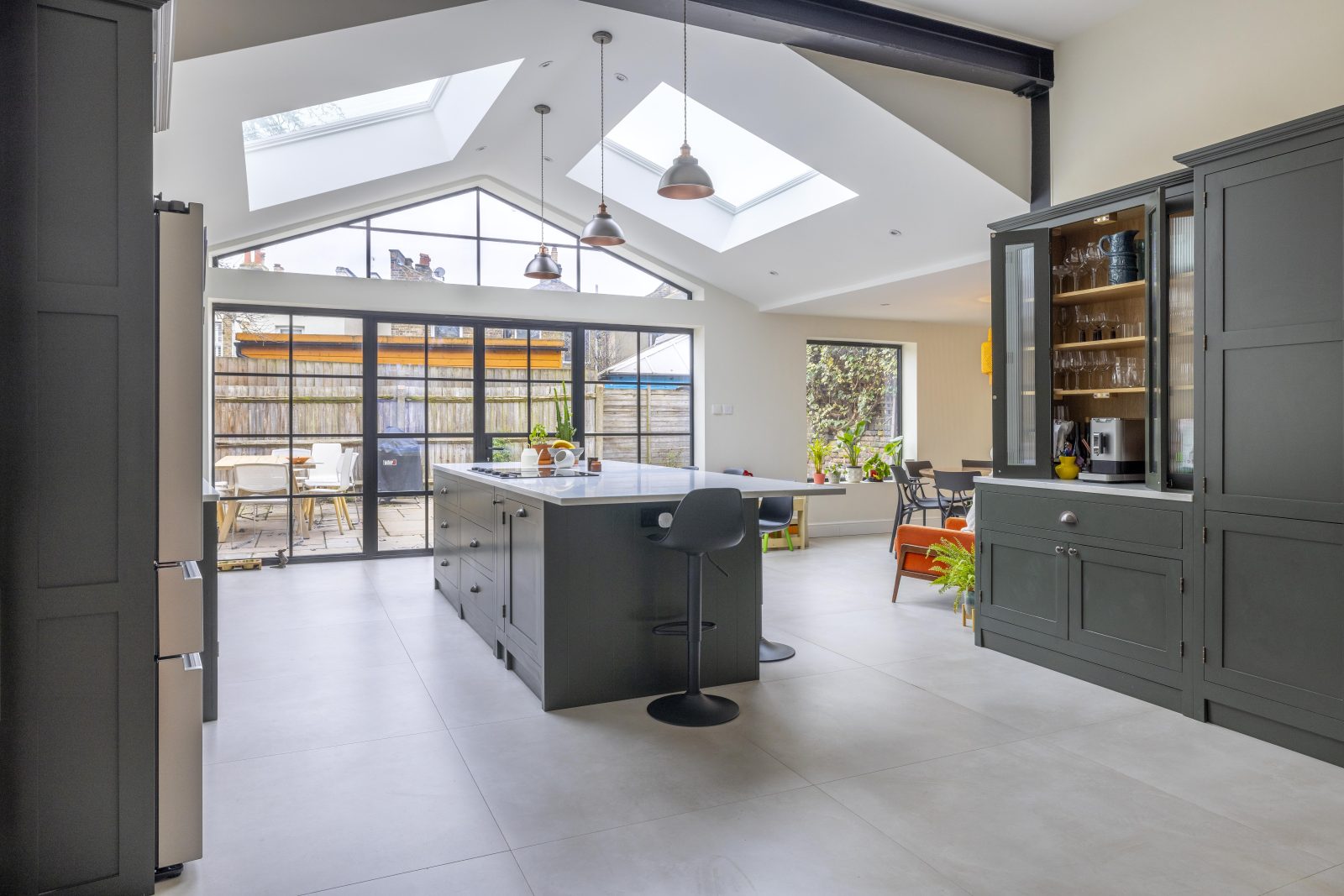
Radiators heat the air, which rises and circulates – taking with it dust particles and pollen. This can prove problematic for allergy sufferers.
Underfloor heating provides a gentle radiant heat with minimal air movement, and this maintains better air quality and stable levels of humidity. This makes underfloor heating one of the best options for families sensitive to allergens. Underfloor heating creates a comfortable indoor environment, especially in bathrooms, kitchens and living areas.
3. Cost efficiency
Radiators are usually cheaper to install, especially if there is already a system in place and extra radiators are being added.
Underfloor heating is more expensive to install, but it is significantly more cost-effective to run, especially if it is paired with heat pumps, smart zoning controls, renewable energy sources and the house has sufficient insulation.
Underfloor heating runs at lower temperatures than radiators, so it uses less energy to achieve the same level of comfort for the family.
2026 Insight: With ever-increasing energy prices and government incentives for heat pulp installation, underfloor heating is now one of the most cost-effective heating solutions.
4. Aesthetics and Design Flexibility
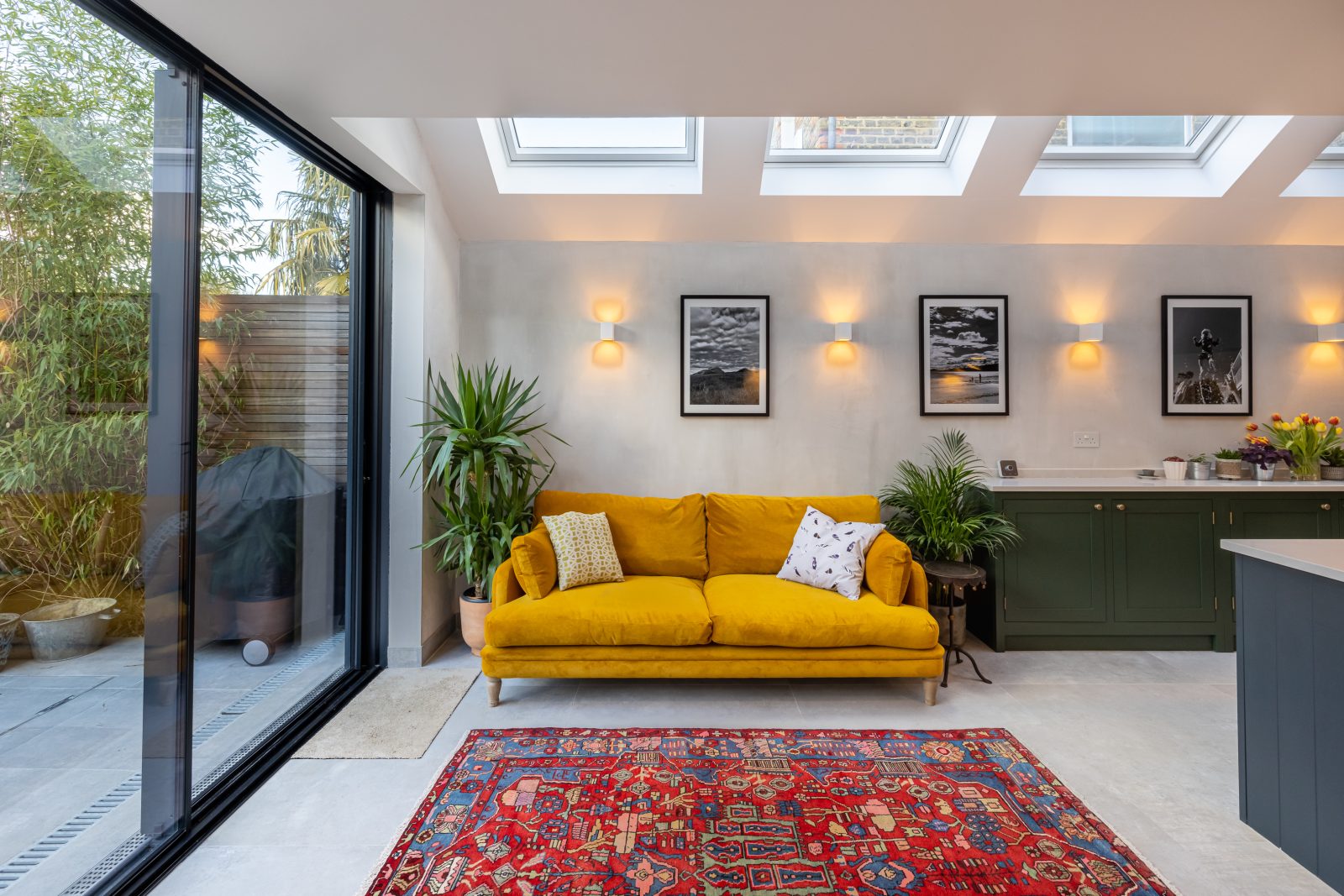
Radiators need wall space and can also limit furniture placement or impact minimalist
design schemes. Radiator designs have changed and improved, but finding suitable wall space can prove tricky.
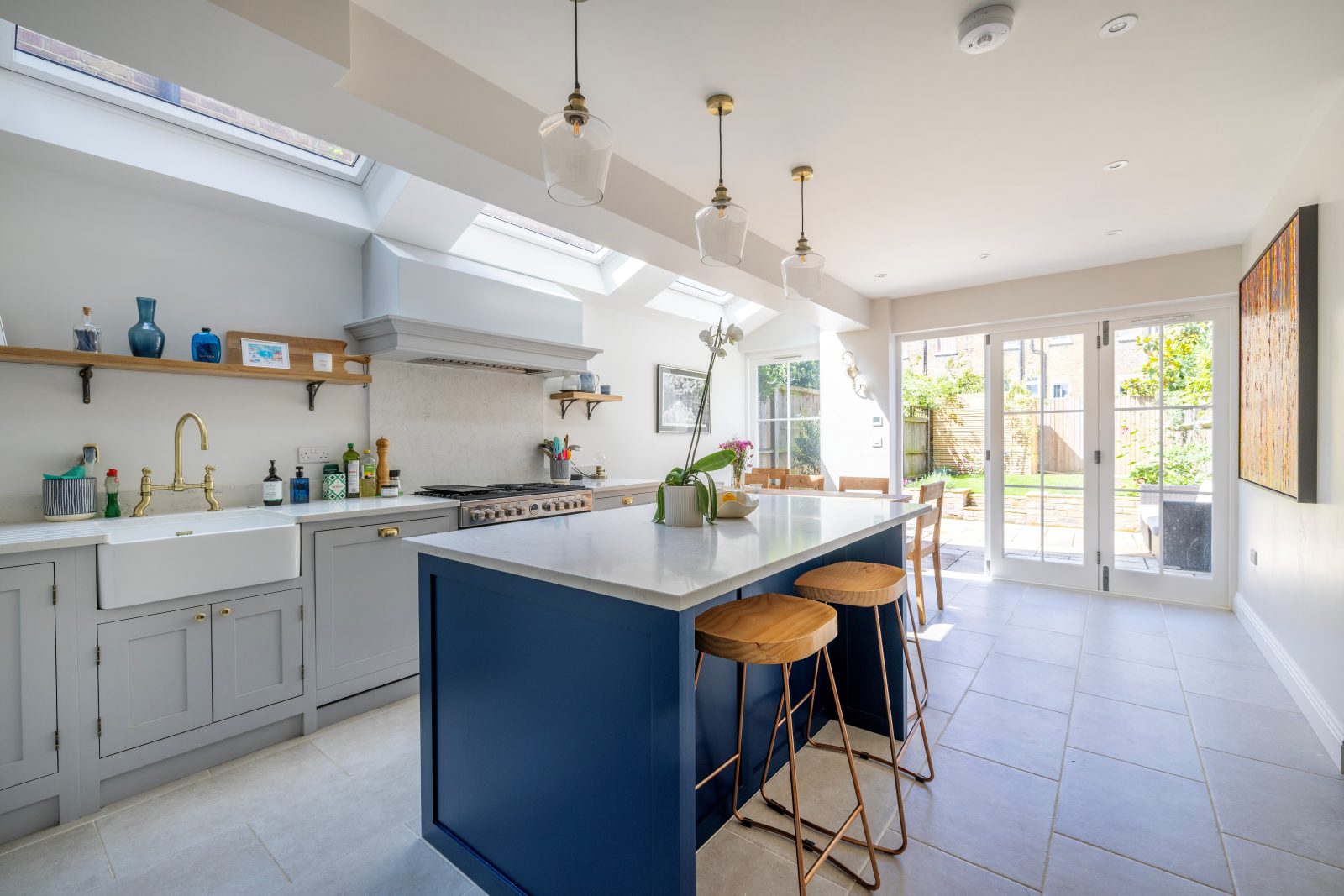
Underfloor heating is completely hidden under the floor, so it offers maximum design flexibility. Walls are left untouched and clutter-free, and this is ideal for the 2026 minimalist and open-plan trends. Underfloor heating can be successfully used with popular modern materials such as micro-cement, terrazzo and large-format floor tiles.
5. Zoned Heating
Many radiators rely on manual valves or individual radiators in each room, so zoning can be limited and upgrades costly. In contrast, underfloor heating systems are designed for room-by-room zoning so that rooms can be heated to the desired temperature when they are in use.
When paired with smart thermostats and home automation, zoned underfloor heating dramatically reduces energy waste.
6. Installation and Maintenance
6.1. Radiators
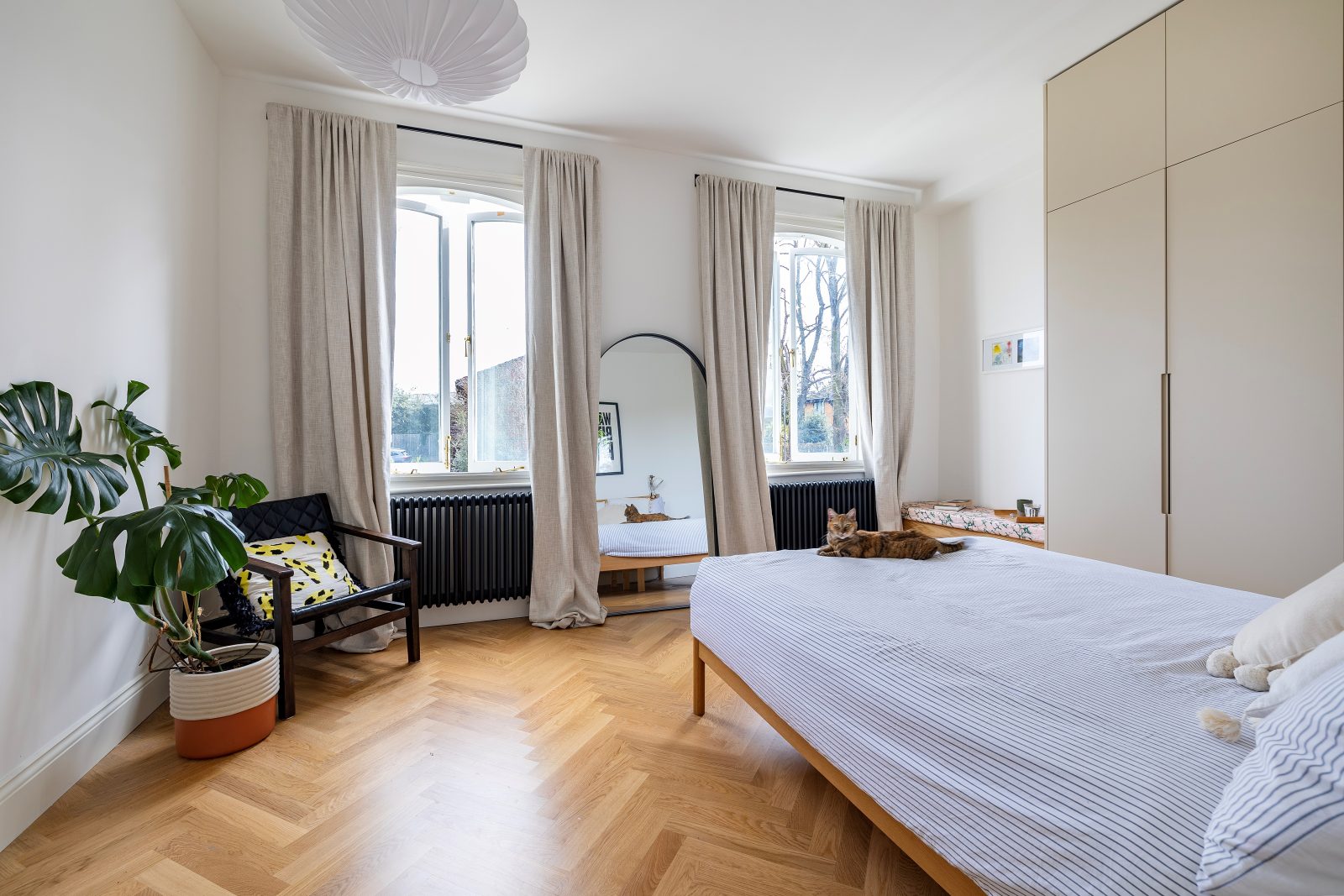
- Quick to install and lower upfront costs
- Ideal for retro-fits and older homes
- Easier to repair, extend or upgrade
- Requires occasional bleeding and flushing to maintain efficiency
- Radiators work well with any type of flooring, but provide no luxury “warm floor” feeling that underfloor heating offers.
6.2. Underfloor Heating
- Best installed during building construction or renovation
- More complex and difficult to install at a later date (especially water-based systems)
- Low maintenance once fitted and with minimal annual upkeep
- Long lifespan than radiators due to fewer mechanical parts
- Underfloor heating works really well with many popular floor surfaces, including Porcelain and ceramic tiles, Stone flooring, wood and luxury vinyl tile. Carpet can be used with underfloor flooring, but it only works with compatible low-tog underlays.
7. Energy Options for 2026
Many households are now moving to renewable energy for their heating requirements, and both heating systems work well with modern energy sources:
Heat Pumps
Underfloor heating is well-suited as it has lower temperature requirements. Radiators work with heat pumps but need larger units to deliver enough heat at lower flow temperatures, which makes them less economical – unless they are modern ones.
Solar-Assisted Heating
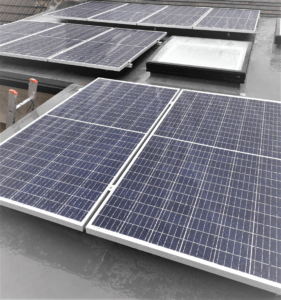
UFH benefits from low, steady heat — making it highly solar-friendly. Radiators can also be connected to solar systems, but because they operate at higher temperatures, they may require backup energy sources compared to the lower temperature output of underfloor heating.
Hydrogen-Ready Boilers
Radiators are fully compatible with hydrogen-ready boilers. To achieve optimal efficiency there may be a need to increase the size of older radiators to accommodate -lower-temperature operation.
Modern radiators work better with this system. Underfloor heating works efficiently with hydrogen-ready boilers because lower temperatures are required, and the stable heat requirement maximises performance.
8. Hybrid Heating Systems
In 2026, a combination of both heating systems will continue to trend. This approach balances installation costs and eas,e along with everyday comfort. Underfloor heating is favoured for living spaces, kitchens and bathrooms, whilst radiators work well in bedrooms, hallways and other areas that are not used so frequently.
9. Smart Home Integration
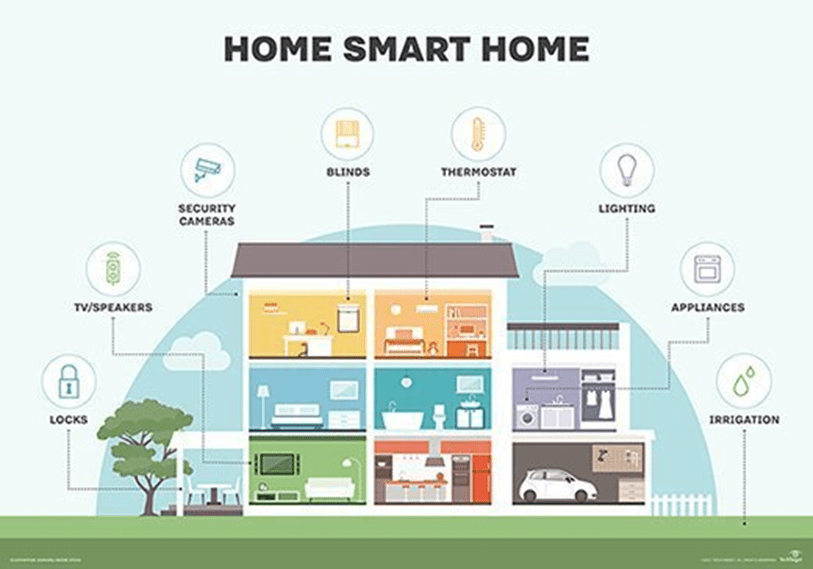
The number of homes using apps or voice-based controls will continue to rise in 2026. Popular among these are:
- Smartphone heating schedules
- Voice-controlled heating using Alexa/Google
- Adaptive learning thermostats
- Whole-home automation through integrated systems
Underfloor heating is very compatible with these smart systems, but radiator valves with smart upgrades are also widely available.
10. Environmental Impact
With so many people now keenly seeking renewable energy sources, underfloor heating has a lower carbon footprint because it operates at lower temperatures and is compatible with renewable energy sources.
Radiators can be eco-friendly too, when paired with efficient boilers or heat pumps, but underfloor heating does offer greater long-term sustainability.
Final Thoughts
Radiators and underfloor heating both have their strengths. Choosing between them depends on your type of home and lifestyle. Radiators are practical, affordable and easy to install and are particularly suited to older, traditional homes.
Underfloor heating offers excellent comfort, energy efficiency and better air quality, so it is the preferred choice for new builds and modern renovations and for an increasing number, a hybrid approach suits best.
Energy efficiency, smart technology and sustainability all play key roles in heating decisions. Whichever system you choose, plan carefully to ensure a good balance between comfort and savings.
If you are planning an extension or renovation and are unsure which heating system will suit best, why not call us at BuildTeam for expert advice today?
- BuildTeam, 342 Clapham Road, London SW99AJ. Telephone 020 7495 6561