
One of the first questions homeowners ask when planning an extension is how much will it cost?
After the volatility of construction prices in the early 2020s, not surprisingly, many homeowners are understandably cautious. Material shortages, labour fluctuations and rising energy costs have created uncertainty across the industry.
Fortunately, now, the London construction market has stabilised, allowing homeowners to plan projects with far greater confidence. Understanding the cost per m² of an extension in London in 2026 provides a realistic starting point for budgeting. It must be remembered that the true price of an extension, though, depends on many factors beyond floor area.
From side-return kitchen extensions to full rear additions, this guide explains the current benchmarks, the key drivers of cost, and how to best plan your extension project so you maximise value without compromising on quality.
The 2026 London Pricing Landscape: Stability After Years of Volatility
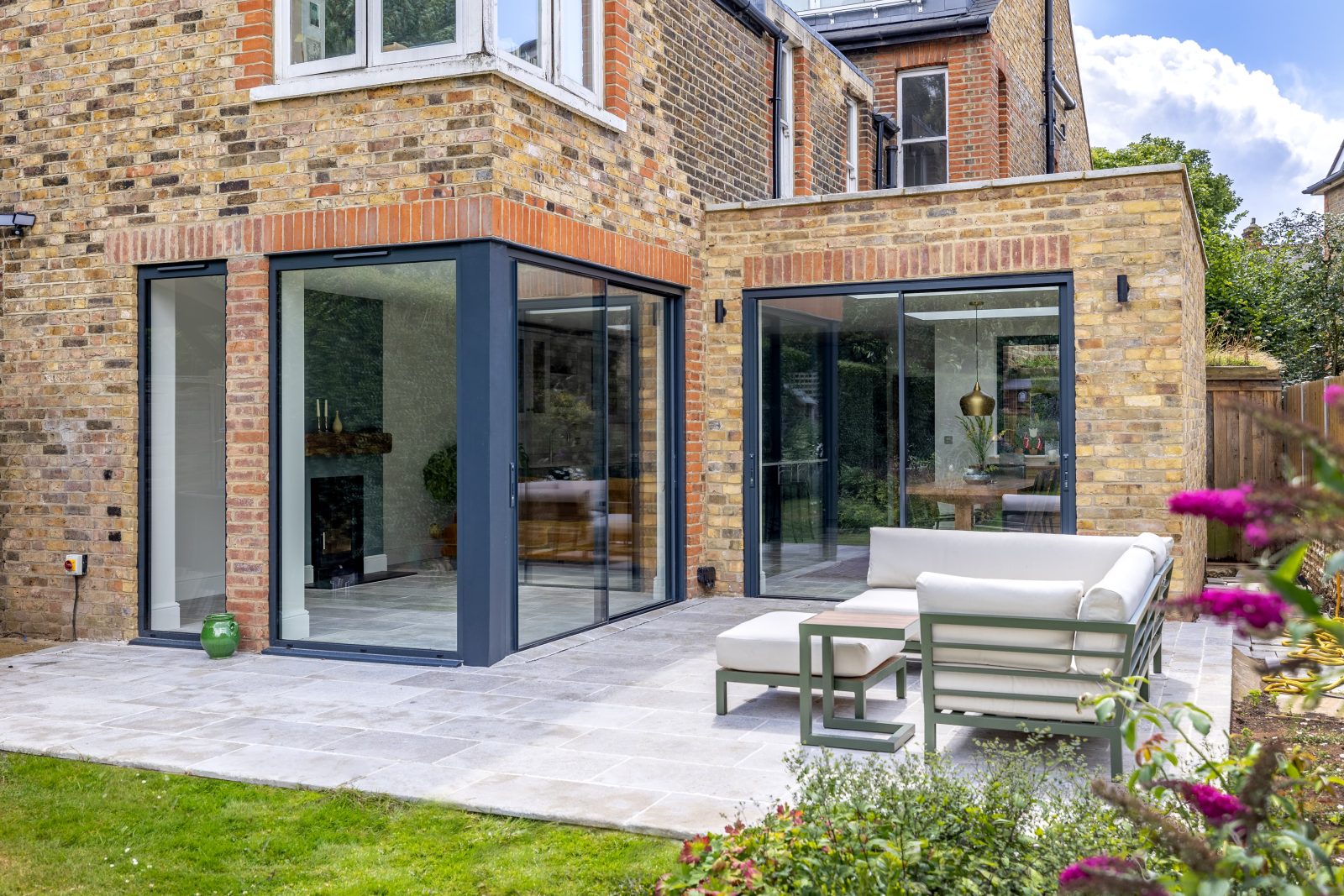
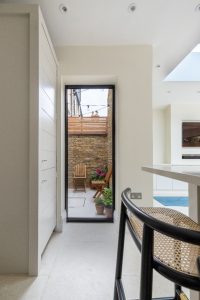
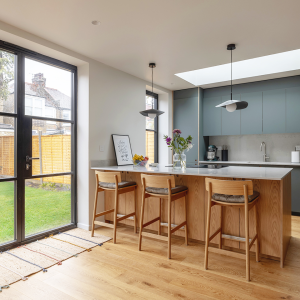
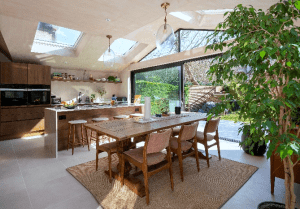
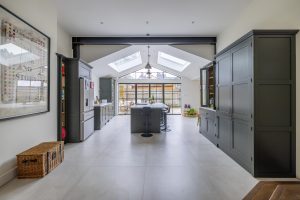
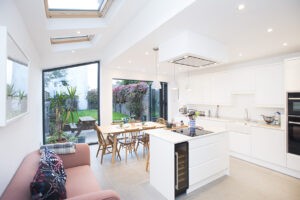
A well-designed extension adds value to the property price (Photograph: BuildTeam)
Between the years 2020 and 2023, the construction sector experienced a significant amount of disruption. Delays in supply chains, global material shortages and inflation caused projects to fluctuate dramatically in price.
By 2026, however, the market has largely settled and recalibrated.
Material supplies have stabilised; contractors are working within predictable cost frameworks again, and greater clarity on long term investment value. Many homeowners who postponed their projects during the uncertain years are now moving forward with their plans.
However, the cost of construction projects in London remains higher than the UK average due to labour demand, logistical challenges and stricter planning requirements. This is why understanding typical London extension costs is essential when planning your project.
Baseline Benchmarks: The Cost per Square Metre in London
In 2026, most residential extensions in London fall within the following three approximate price brackets:
Standard specification extension
£2,500 – £3,200 per m²
Mid-range extension with higher quality finishes
£3,200 – £4,000 per m²
High-end architectural extension
£4,000 – £5,500+ per m²
These figures generally include the structural shell of the extension and the basic internal finishes, but do not always include professional fees, planning costs or specialist installations.
For example:
- A 20 m² side return kitchen extension can range in price from £65,000 to £95,000, depending on specification.
- A 30 m² rear extension can range in price from £90,000 – £140,000 depending on the choice of glazing, structural steel and interior finishes.
Whilst these are only indicative figures, they do help establish a realistic London kitchen extension budget in the UK.
The important takeaway is that whilst the cost per square metre is a useful benchmark, the real cost depends heavily on design and material choices.
Why Do Side Return and Kitchen Extensions Carry a Premium?
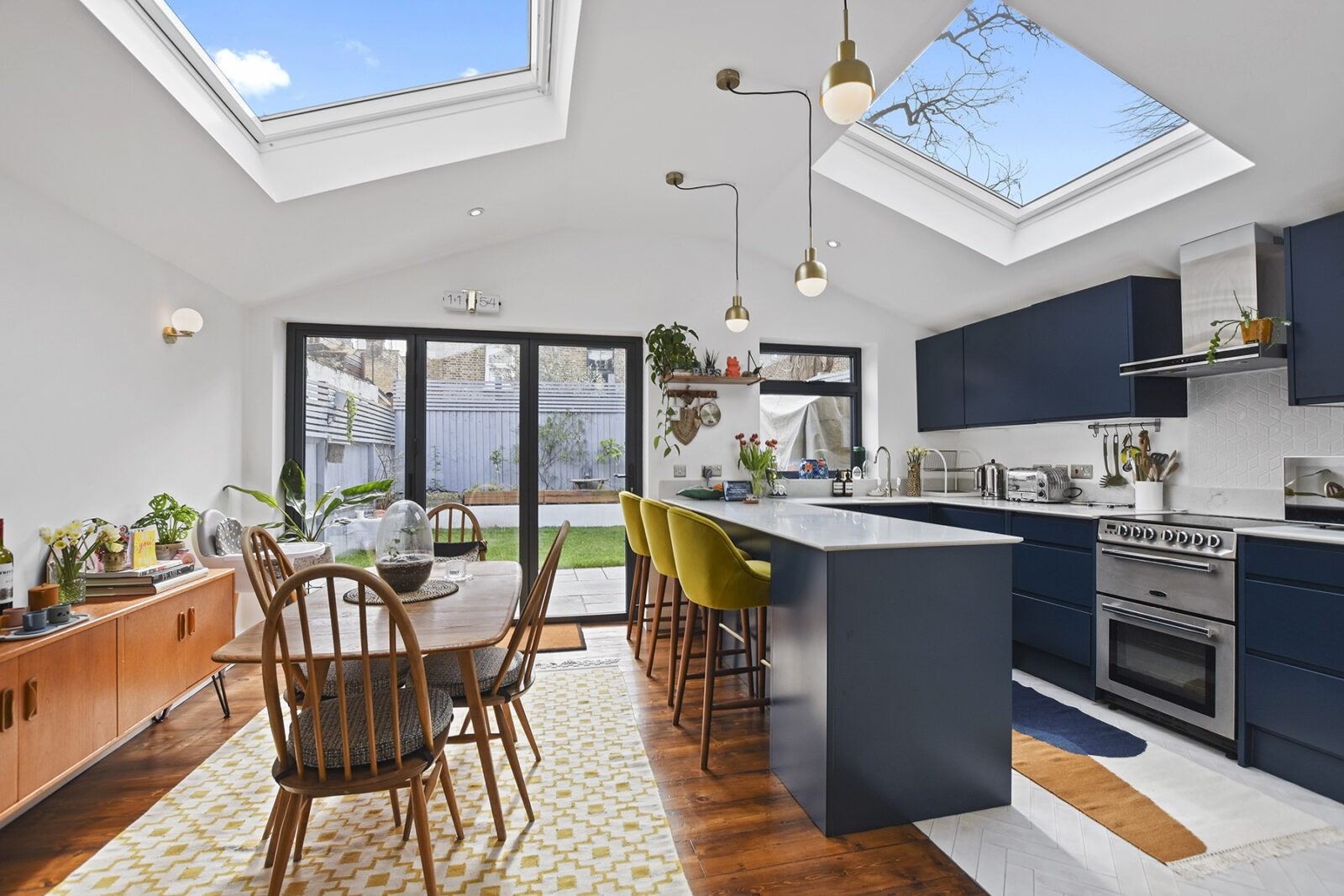
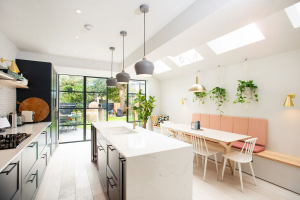
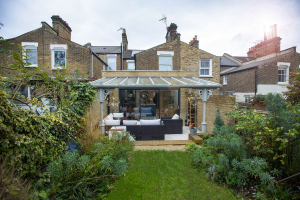
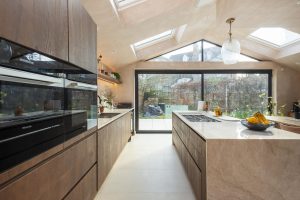
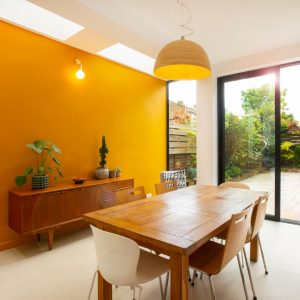
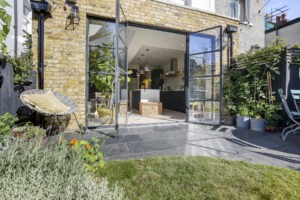
The complexity of the extension design will affect the cost of the extension. (Photograph: BuildTeam)
Many London homeowners are surprised to discover that side return extensions often cost more per square metre than larger rear extensions.
The reason lies in their complexity rather than size. Building a typical London terrace side return project often involves:
- Removing structural walls
- Installing large steel beams
- Integrating roof glazing
- Rerouting drainage systems
This type of extension also involves working in spaces with really tight access. The designs for side return extensions often include premium features such as:
- Structural glass rooflights
- Large sliding garden doors
- Installation of underfloor heating systems
- Bespoke kitchen installations
Because side returns are usually built to create open-plan kitchen spaces, they often incorporate the most technically demanding elements of a home renovation. This is why the price of a side return extension in London is usually at the higher end of the cost-per-metre range.
Professional Fees and Planning Costs
Construction costs are only a part of the overall budget.
Homeowners should also plan for professional and regulatory costs, which typically add an additional 10–15% to the project budget.
These extra costs usually include:
- Architectural design fees
- Structural engineering for removing load-bearing walls or installing steel beams.
- Costs for planning applications
- Building control inspections
- Party wall Agreements (if applicable) when work affects shared boundaries with neighbouring properties.
It is essential to factor in these costs early to ensure your home renovation budget in London remains realistic and avoids any unexpected financial surprises.
The Green Investment: Budgeting for FHS
The UK’s Future Homes Standard — influencing construction from the mid-2020s onwards- places strong emphasis on lower carbon emissions and improved energy performance. Energy efficiency is essential and no longer an optional upgrade.
For new extensions, many homeowners are now incorporating:
- High-performance insulation
- Triple-glazed windows or advanced double glazing
- Airtight construction techniques
- Heat pump compatibility
- Underfloor heating systems
All these upgrades can increase initial construction costs, but they significantly reduce long-term energy bills.
A well-designed energy-efficient extension not only lowers running costs but also increases the value of the property for the future. In a housing market that is increasingly focused on sustainability, investing in excellent energy performance now can deliver substantial returns later.
Hidden Variables That Influence Extension Costs
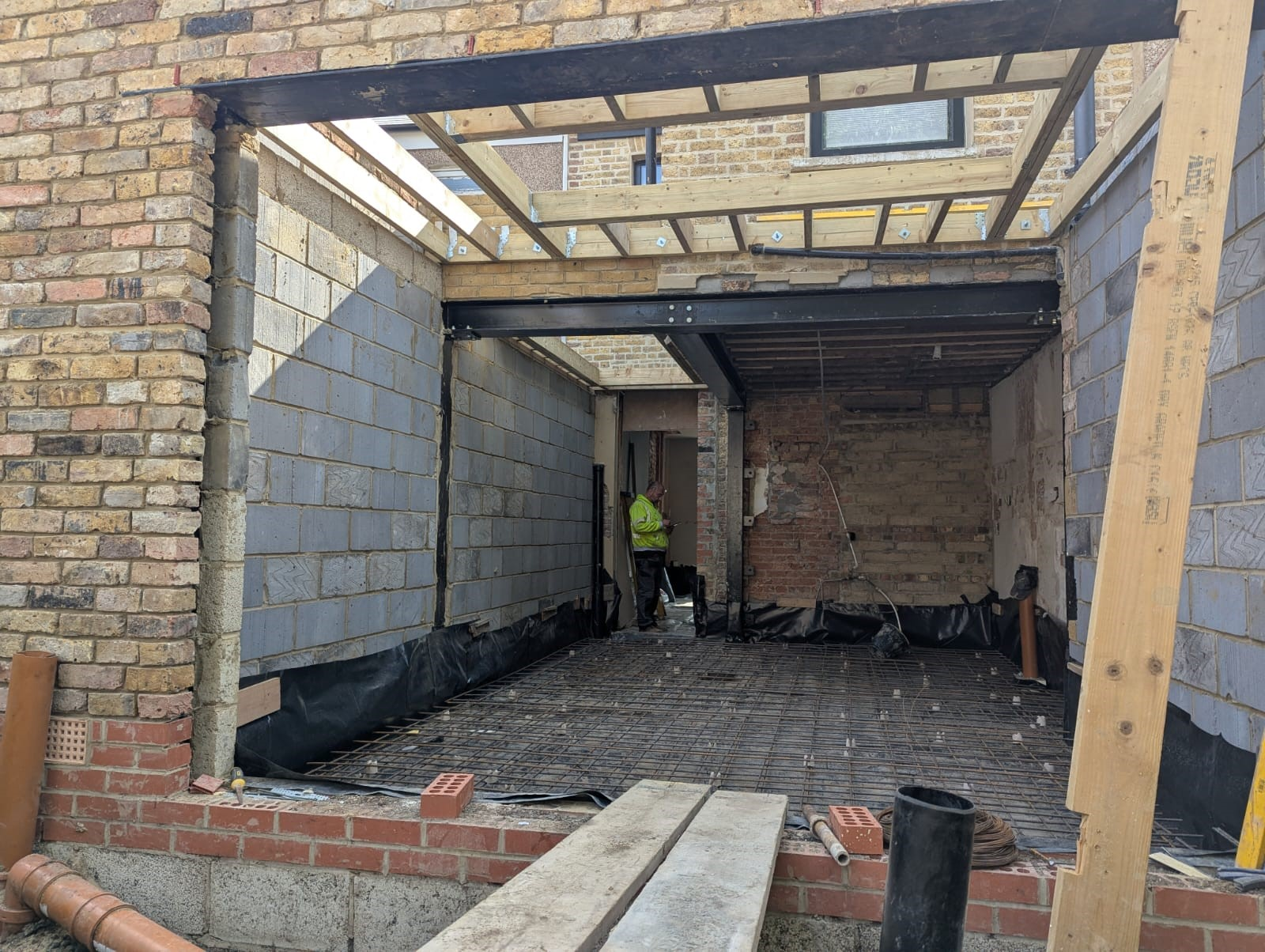
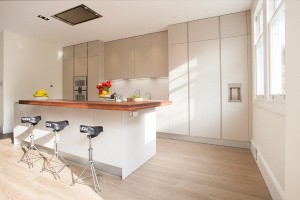
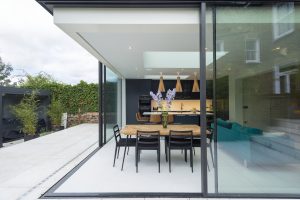
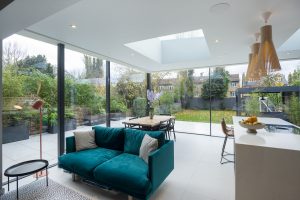
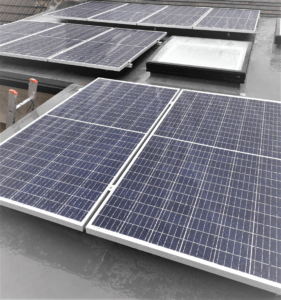
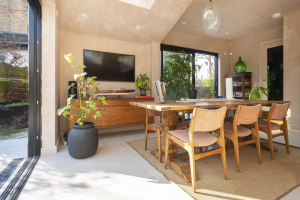
There are many hidden variables that affect extension costs. (Photograph: HomeBuild)
There are a number of variable extension costs, and in fact, no two extension projects are identical in cost. Several site-specific factors can influence the final project costs.
Site Access
Many London homes have limited or no direct rear access, and this slows things down. In these cases, labour time increases and logistics become more complex.
Ground Conditions
Soil conditions can affect the design of the foundations. If the site requires deeper foundations, piling or specialist groundworks, construction costs will rise significantly.
Drainage Relocation
Side return extensions often sit on existing drainage systems. Relocating or modifying the layout of the drains requires specialist work and sometimes requires additional approval.
Complexity of the Structure
Large open-plan spaces require steel beams or structural frames to support upper floors and roofs. The larger the space, the more complex the necessary structural engineering becomes.
Maximise Your Budget Without Compromising Quality
While extensions represent a major investment, there are strategic ways for you to manage costs effectively.
Prioritise Structural Quality
Always invest in structural integrity, insulation and waterproofing first. These elements are not easy to upgrade later and are crucial to the longevity of the extension.
Simplify the Structure
Rectangular designs with simple roof forms are generally more cost-effective than complex shapes incorporating multiple angles.
Plan Lighting Carefully
Roof lights and well-positioned glazing can transform a space and make it more practical, without dramatically increasing construction costs.
Choose Quality Durable Materials
Selecting high-quality, low-maintenance materials reduces long-term maintenance expenses.
Design with Flexibility
Future-proof layouts allow the extension to adapt to changing needs, whether it is going to be used as a home office, family kitchen or multi-generational living space.
A thoughtful and well-planned design ensures your kitchen extension budget in the UK delivers maximum long-term value.
The Importance of Transparent Pricing
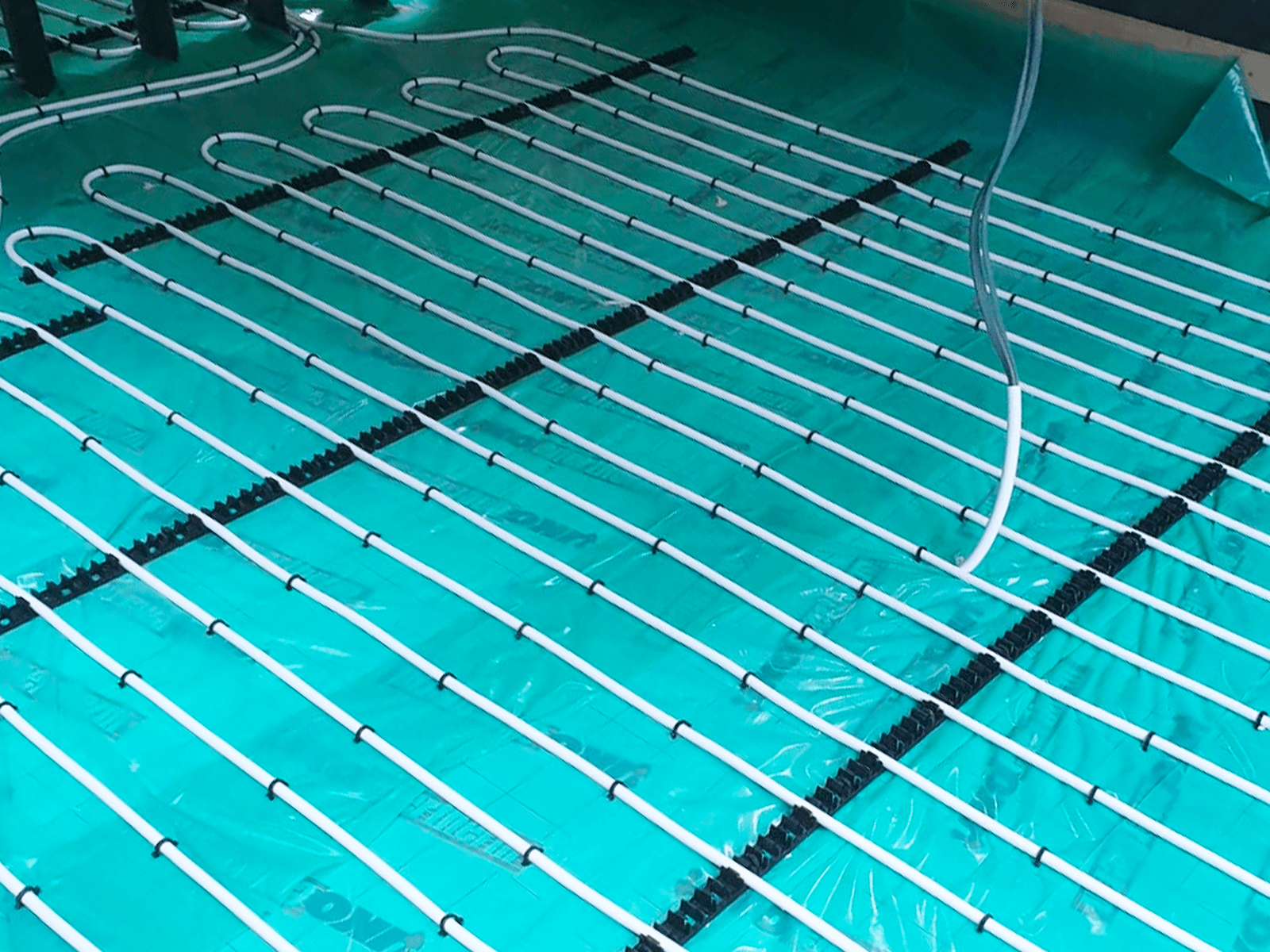
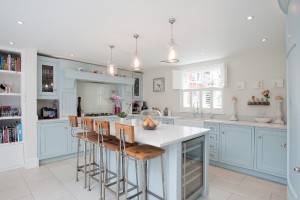
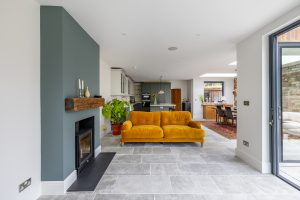
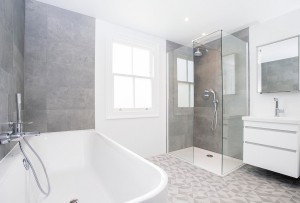
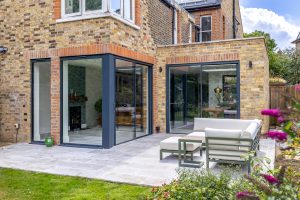
Underfloor heating will make your extension comfortable and economical. (Photograph: BuildTeam)
One of the biggest frustrations for homeowners who are planning an extension is the lack of clear costings. Transparent budgeting helps homeowners make informed decisions and avoid unrealistic expectations. With a clear idea of costings, the design project will align with the homeowner’s financial goals.
Understanding the extension cost per m² in London is the first step towards a successful extension project.
The true value of an extension lies not only in its cost, but also in the quality of the design, the performance of the building and how well it improves everyday living. When properly planned, an extension becomes a long-term investment in your home.
Planning a London Extension? Start with the Right Advice
At BuildTeam, we specialise in designing and building high-quality extensions across London – from side return kitchen extensions to full-width rear additions and multi-storey projects.
Our team provides clear guidance on extension costs, planning requirements and construction timelines. We help homeowners to plan their London extension with confidence.
If you would like a realistic understanding of London extension prices in 2026, contact BuildTeam today to arrange a consultation and receive a tailored project estimate. Our email: hello@buildteam.com, our telephone: 0207 495 6561.