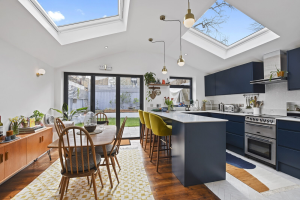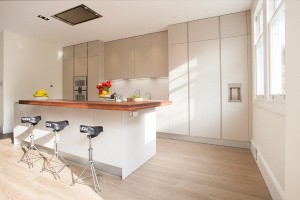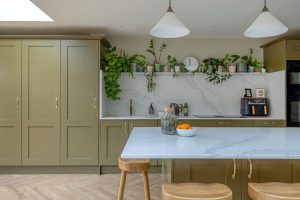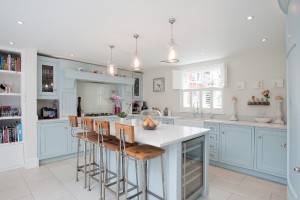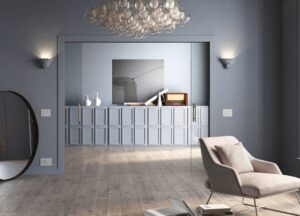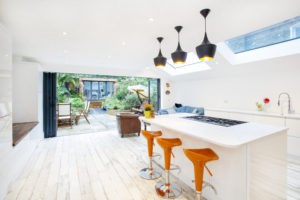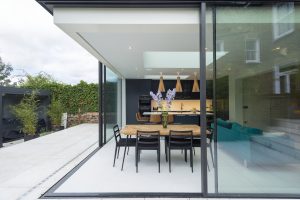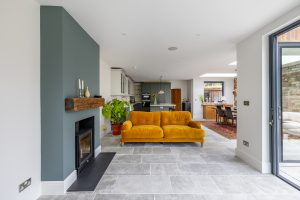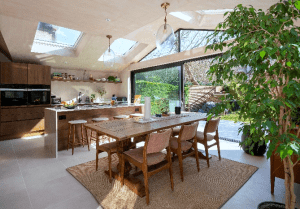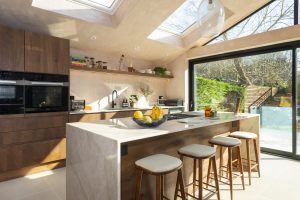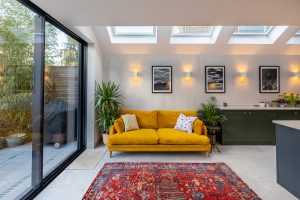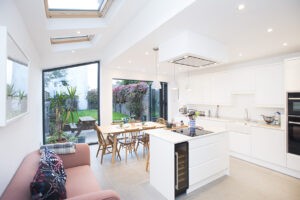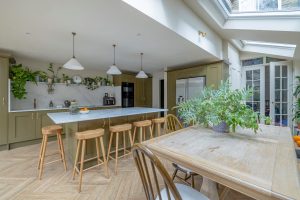

Kitchen lighting has evolved dramatically in recent years. Lighting is no longer just about brightness or aesthetics; it is about many factors, including health, functionality, efficiency and ambiance. Modern kitchens are increasingly functioning as social hubs, workspaces and wellness zones, so it is essential that the lighting supports how the family moves, cooks and relaxes throughout the day.
Poor lighting can make even the most beautifully designed kitchen feel impractical, whilst carefully-planned lighting can enhance the space, improve mood, and make everyday routines easier and more comfortable.
Discover the best kitchen lighting solutions, learn how to successfully combine circadian lighting, ambient glow and invisible task lighting with sculptural pendants and energy-efficient LED systems for a modern, functional kitchen.
1. The Core Shift: From Static Lighting to Circadian Design
Until recently, kitchen lighting has traditionally relied on a single “neutral” white tone, which, in reality, was bright enough to cook under, but was uncomfortable for dining and relaxing.
In the current year, this approach is considered outdated. Kitchens are now fitted with Tuneable White Technology that automatically shifts from cool blue-tones (energising) to warm amber-tones (melatonin-friendly) for relaxation.
Circadian Rhythm Lighting Explained
Modern kitchens now use adjustable white lighting that aligns with your body’s own natural circadian rhythm:
- Morning: Cooler, blue-toned light helps promote alertness and focus
- Midday: The lighting changes to a balanced neutral light for cooking and working
- Evening: Warm amber tones help support relaxation and melatonin production
These lighting systems automatically adjust throughout the day using smart controls, removing the need to manually change settings.
Circadian lighting improves energy levels and concentration, and also quality of sleep, which in turn enhances overall well-being. Families now spend so much time in the kitchen space that lighting that adapts to human biology is becoming a design essential, rather than a luxury.
2. Ambient Lighting: Beyond Windows and Ceiling Spots
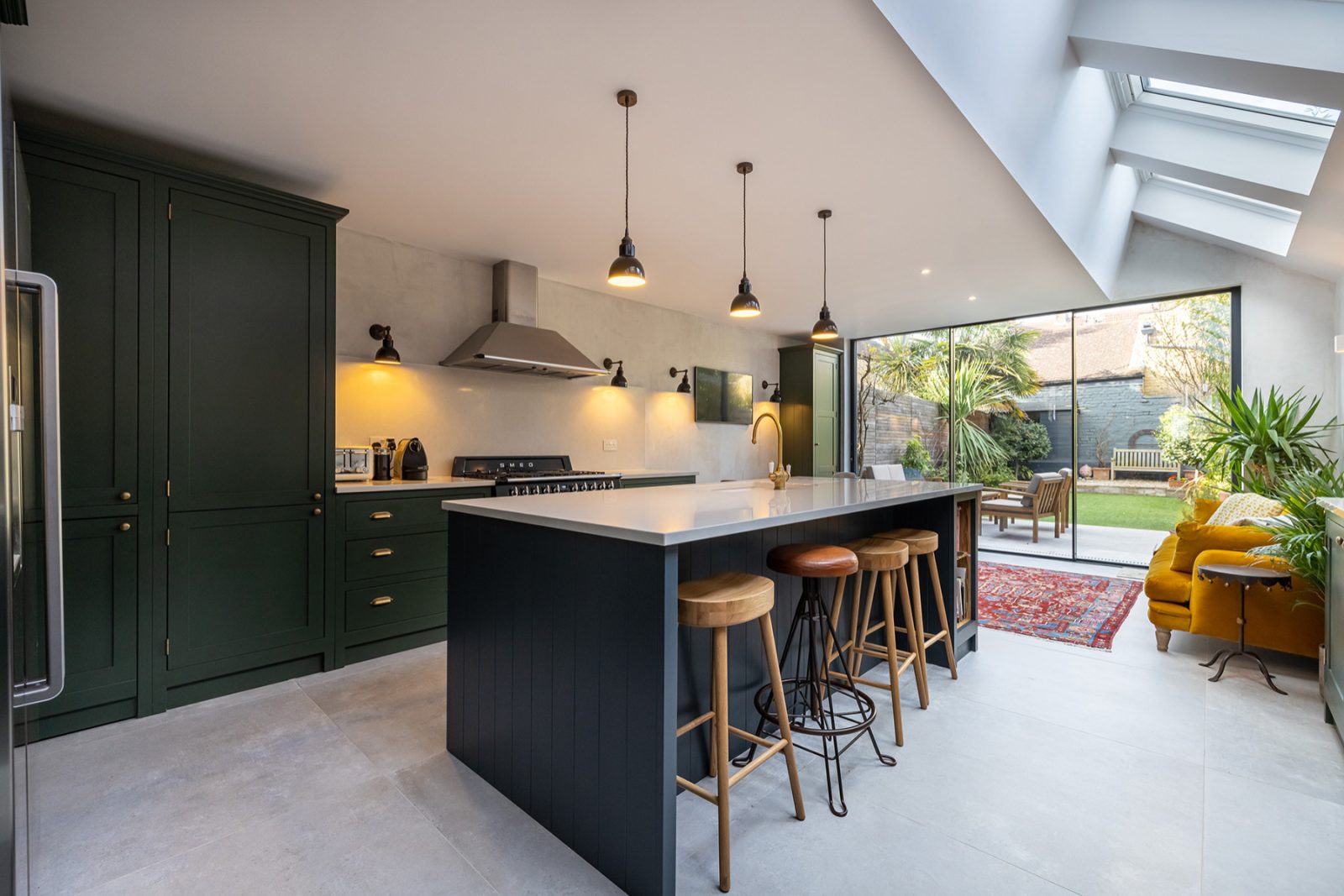
Ambient lighting forms the foundation of the kitchen’s atmosphere. The goal is no longer to have lighting that is “bright enough,” but softer illumination that does not glare.
The Rise of Diffuse Glow
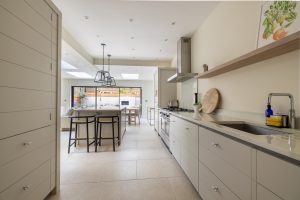
Rather than relying solely on downlights, designers now favour ‘cove lighting’. This is LED strips that are hidden in ceiling recesses or above wall units. This technique bounces the light gently off the ceiling, creating a calm, hotel-like glow that eliminates any harsh shadows.
This type of lighting brings many benefits as the space feels visually larger and more airy. The light is evenly distributed, and this reduces eye strain.
Smart Glass & Light Control
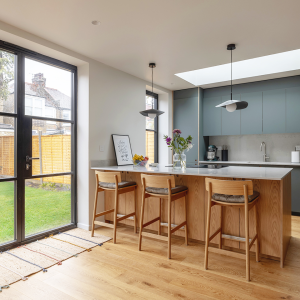
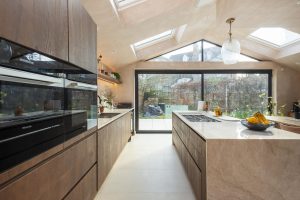
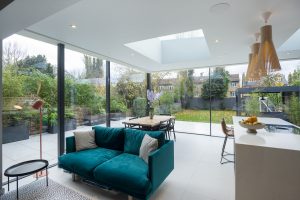
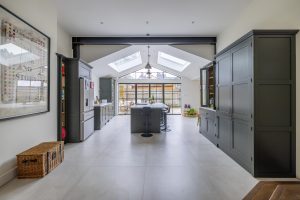
The latest designs for kitchens increasingly incorporate electrochromic (smart) glazing in roof lights or extensions. These windows automatically tint in response to the amount of sunlight, reducing glare whilst maintaining plenty of natural light. Smart glazing is perfect to use in south-facing kitchens and open-plan spaces.
3. Task Lighting: The Invisible Revolution
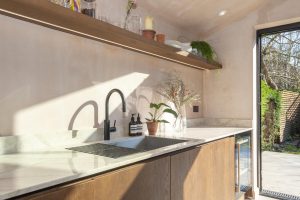
Task lighting is where function meets precision lighting. Visible light fittings are being replaced by integrated, invisible lighting solutions that provide light exactly where you need it – and nowhere else.
Integrated Precision Lighting
Instead of bulky under-cabinet strip lights, modern kitchens are now being fitted with slimline LED channels recessed into cabinetry and flush lighting concealed within shelves. Directional lighting is now integrated into architectural details.
The variety of lighting options is fast-changing and new features include:
- In-drawer lighting: Sensor-activated LEDs illuminate drawers automatically as soon as they are opened.
- Pantry track lighting: These are hidden spotlights inside larders that highlight the items stored on the shelves, without using visible fittings.
- Beam-steering LEDs: This is digitally adjustable lighting that can focus or widen its beam using an app. It is ideal for prep areas that change their function throughout the day.
These new lighting features offer exceptional visibility and usability.
4. Pendant & Decorative Lighting: The Sculptural Statement
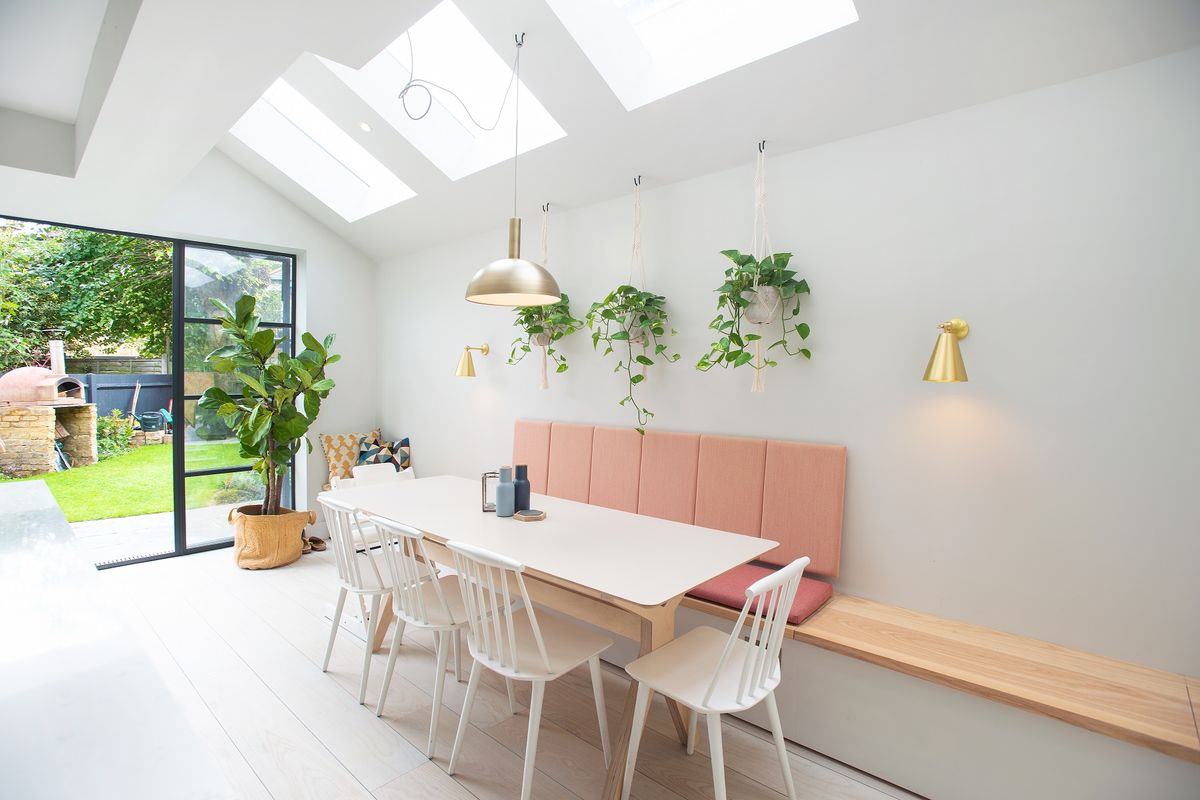
Decorative lighting is no longer about repetition, and identical light fittings are no longer used throughout the kitchen.
Lighting as Functional Art
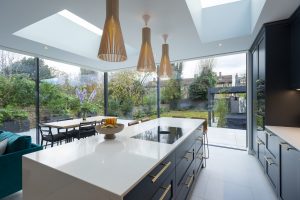
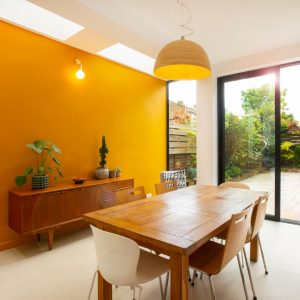
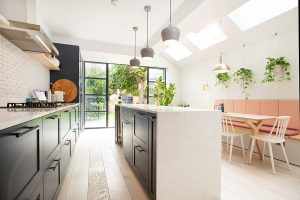
Pendant lights are now treated as architectural features and are used to define the kitchen’s identity as much as to highlight cabinetry or stonework. Trending designs are favouring oversized organic forms, asymmetrical shapes and soft, diffused light rather than exposed lightbulbs.
Designers are moving away from industrial metals and are now favouring bio-materials such as 3D printed mycelium. They are using recycled polymers plus natural fibres and textured finishes in their designs. One large statement piece is preferred over several smaller fixtures as it creates visual impact but without visual clutter.
5. Niche and Night Lighting: Designing for Real Life
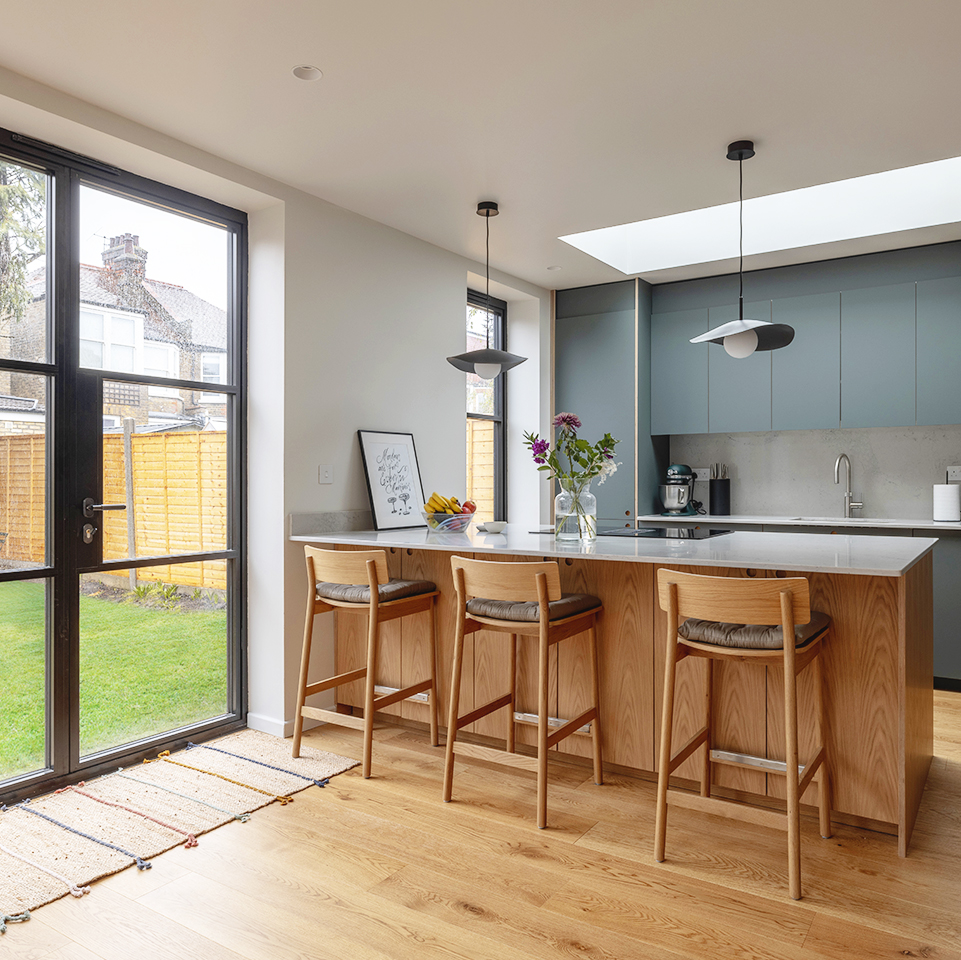
One of the most overlooked aspects of kitchen lighting is the installation of lighting to use at night. The latest concept is ‘the night path’, which is a series of low-level, motion-activated LED strips that are installed under the “toe-kick” (base) of cabinets to create a soft and easily navigational glow.
This is ideal for family members who want to get a glass of water, to let a pet out or need to walk safely across the kitchen. The night path dramatically improves comfort and safety and is the perfect solution in multi-generational households.
6. Efficiency and Sustainability: The A-Rated Standard
Sustainability is essential in kitchen designs and lighting plays a major role. A-rated LED lighting has become the benchmark for responsible renovations in the UK. These advanced LEDs, up to 60% less energy than standard LEDs, produce less heat and last longer.
When their use is combined with smart controls, motion sensors and daylight detection, this form of kitchen lighting can reduce the household’s use of energy and future-proof your kitchen to meet environmental expectations.
7. Layered Light for a Balanced Kitchen
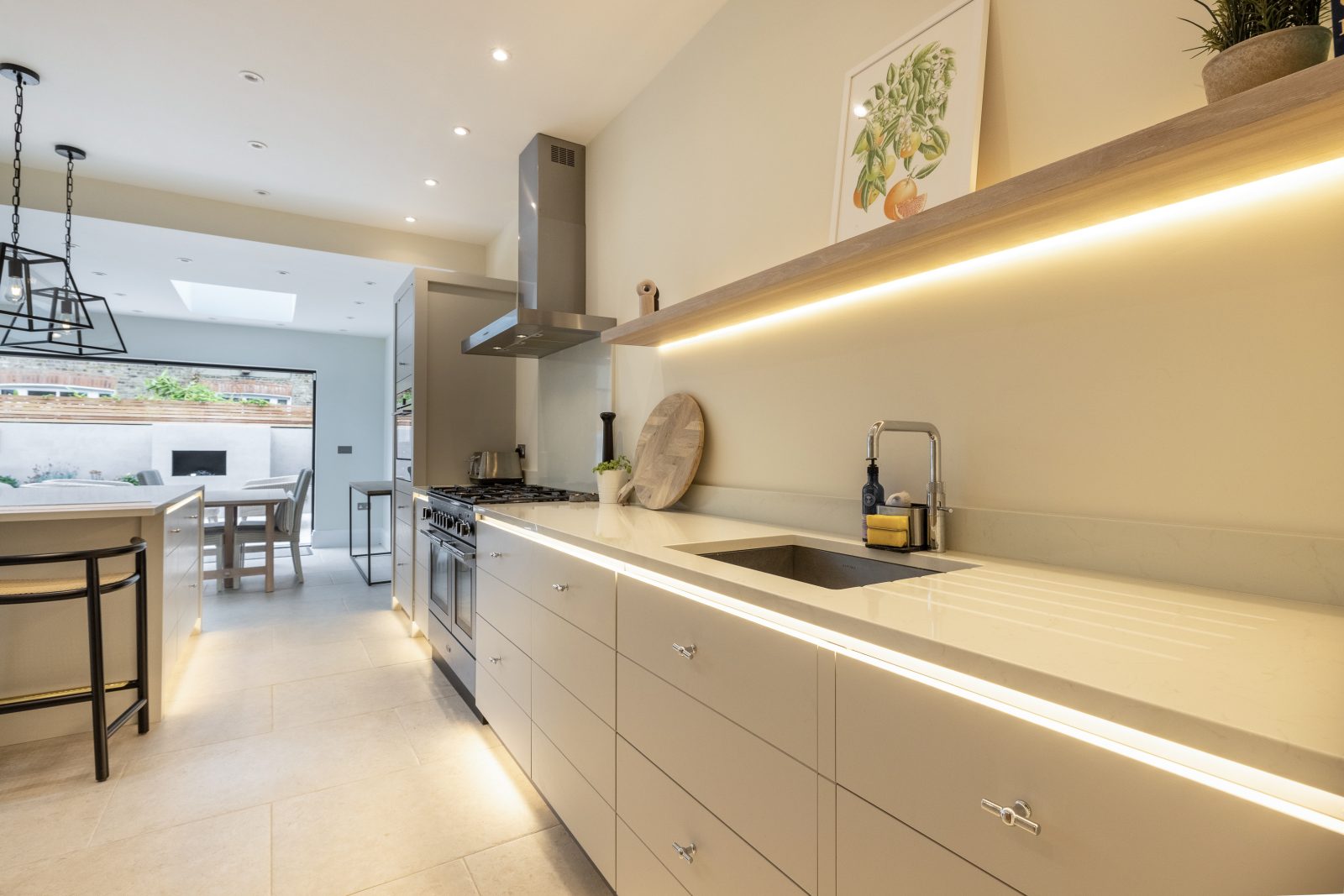
Modern designs for good kitchen lighting rely on layering rather than a single solution. Each layer has a distinct purpose and together they work seamlessly to provide the correct lighting at different times during the day. Modern kitchens feature the following types of lighting:
- Circadian ambient lighting for overall comfort
- Targeted task lighting for food prep and cleaning
- Decorative lighting for personality and warmth
- Low-level lighting for safety and night-time use
8. Smart Control and Automation
Modern kitchen lighting systems are being integrated into wider smart home set-ups and can be tailored to individual needs. Features include app-based scheduling, voice-activated controls and presets for cooking, dining, evening and night.
Good kitchen lighting is viewed as the foundation of a great kitchen. Carefully chosen lighting shapes mood, supports wellbeing, improves efficiency and enhances the overall experience of spending time in your kitchen, which is usually the heart of family life. From circadian rhythm systems and invisible task lighting to sculptural pendants and energy-efficient LEDs, lighting has become a central design feature rather than an afterthought.
If you’re planning a kitchen renovation and want expert guidance on lighting design, layout and integration, BuildTeam can help you create a kitchen that works beautifully all through the day and in all seasons.
Contact BuildTeam today to discuss your project and request a tailored quote. Our email: hello@buildteam.com, Our telephone: 0207 495 6561.