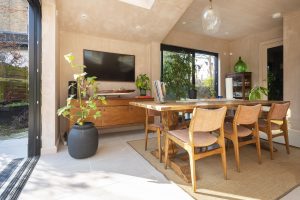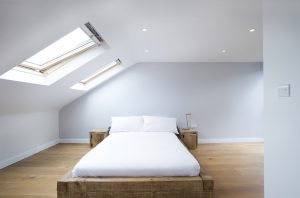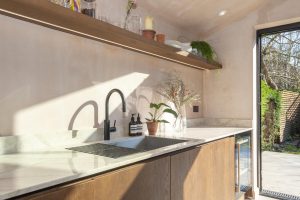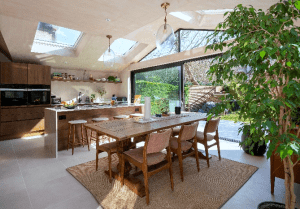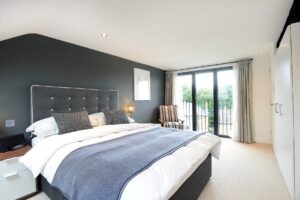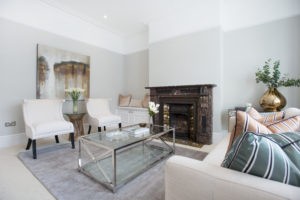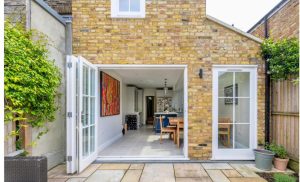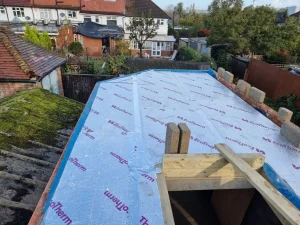

Bonham Road is a 52 sqm ground floor rear extension on a Victorian terrace in Brixton, SW2. It took 16 weeks to build and cost £109,000 plus VAT. The brief was to replace a dark, cut-off rear with one open-plan kitchen, dining and living space that opens onto the garden. Below is the full project: the brief, the design decisions, the floorplan, the cost and timeline, and the finished rooms.
Floorplans, design sketches and the complete photo set in one document.
Download the Bonham Road case study (PDF)
The project
| Location | Brixton, SW2 |
| Property | Victorian mid-terrace |
| Extension type | Ground floor rear extension |
| Size added | 52 sqm |
| Build time | 16 weeks |
| Cost | £109,000 + VAT |
| Designer | Nisha, Build Team |
| Project manager | Gustavo, Build Team |
The starting point
Bonham Road is a Victorian mid-terrace in Brixton, and it had the problem most houses of its age share. The original rear was a narrow return with a later addition bolted on, which left the kitchen dark, small and cut off from the garden. The family living there used the back of the house the least, even though it faced the only outdoor space they had.
The brief was clear. They wanted one ground floor room they could cook in, eat in and relax in together, with daylight through the day and a real link to the garden. That meant going wider and deeper at the back, opening up the internal walls, and rethinking how light entered the plan.
What we built
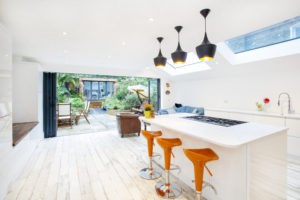
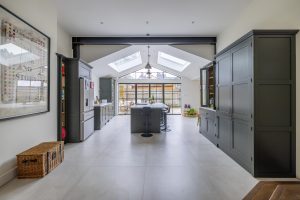
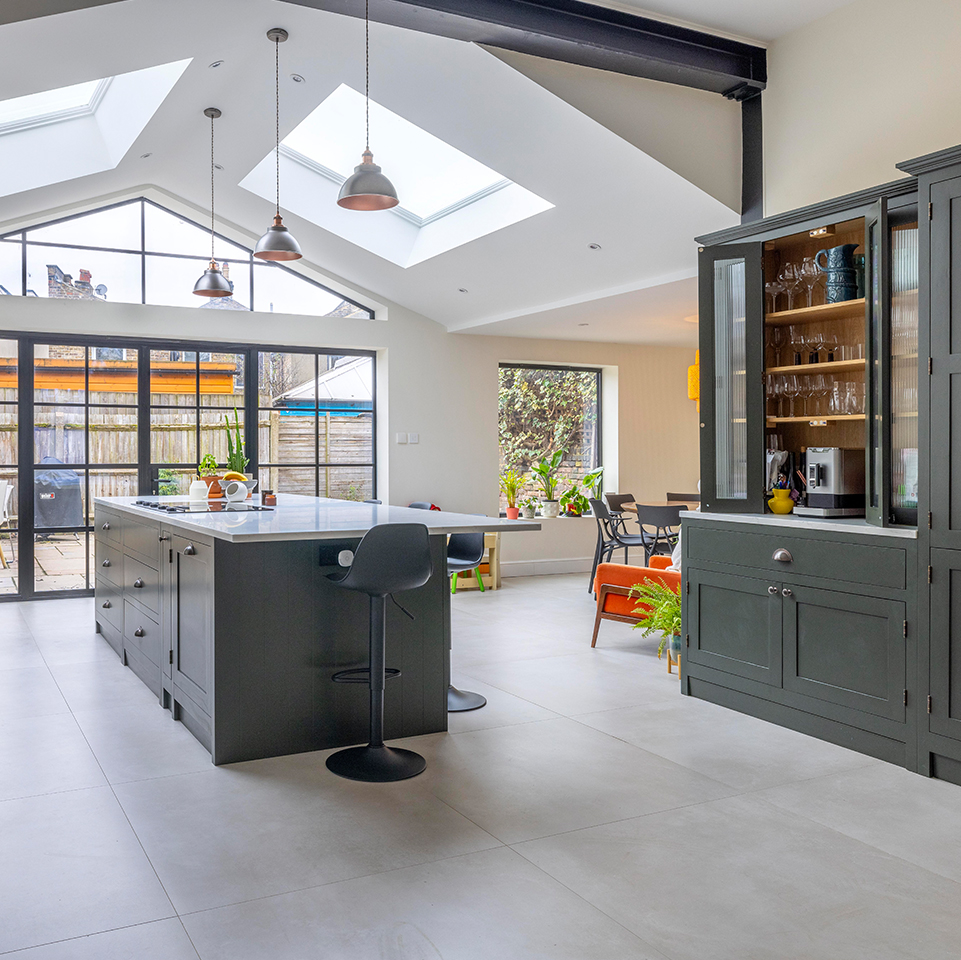
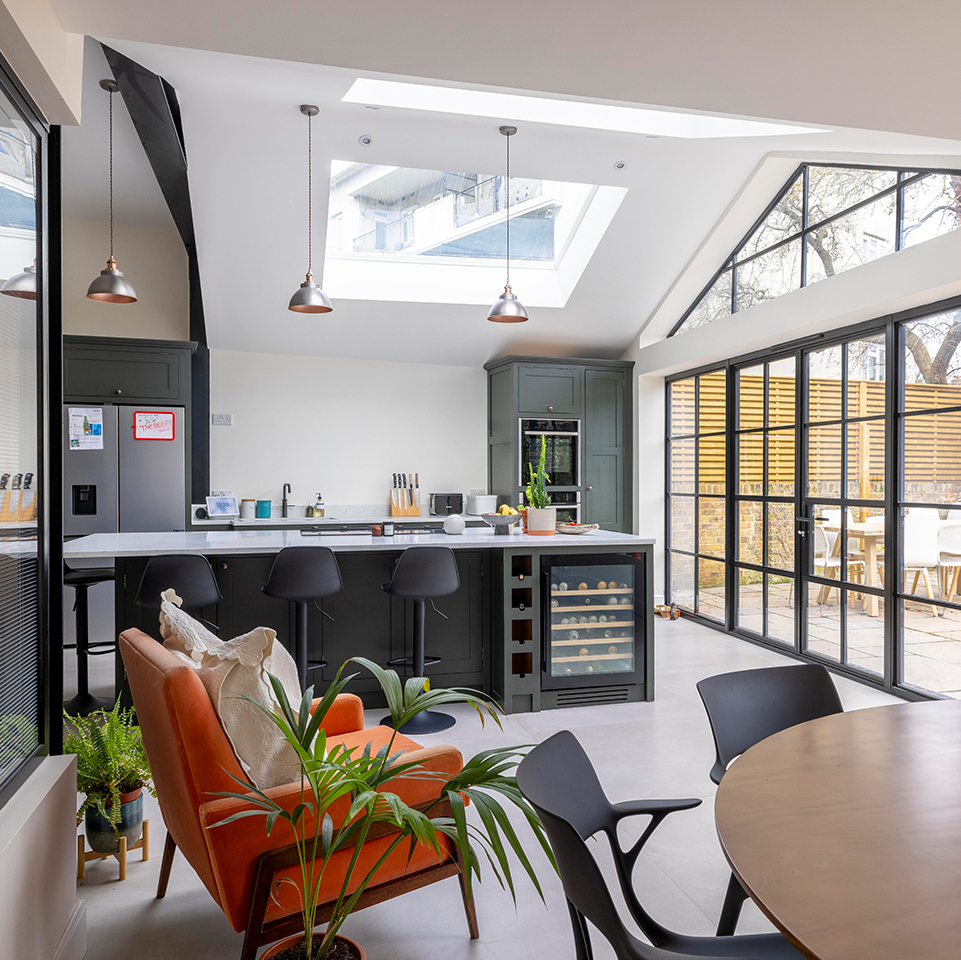
The design adds a 52 sqm ground floor rear extension across the full width of the plot. By taking down the old dividing walls, three cramped rooms became a single open-plan kitchen, dining and living area. The roof rises to a vaulted ceiling at the back, which keeps the room feeling tall and open rather than boxed in under a flat lid.
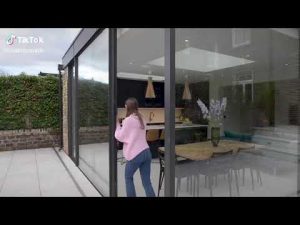
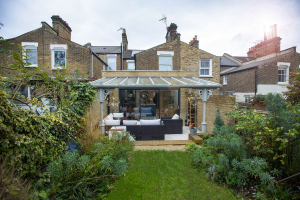
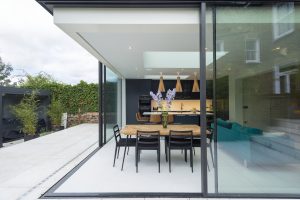
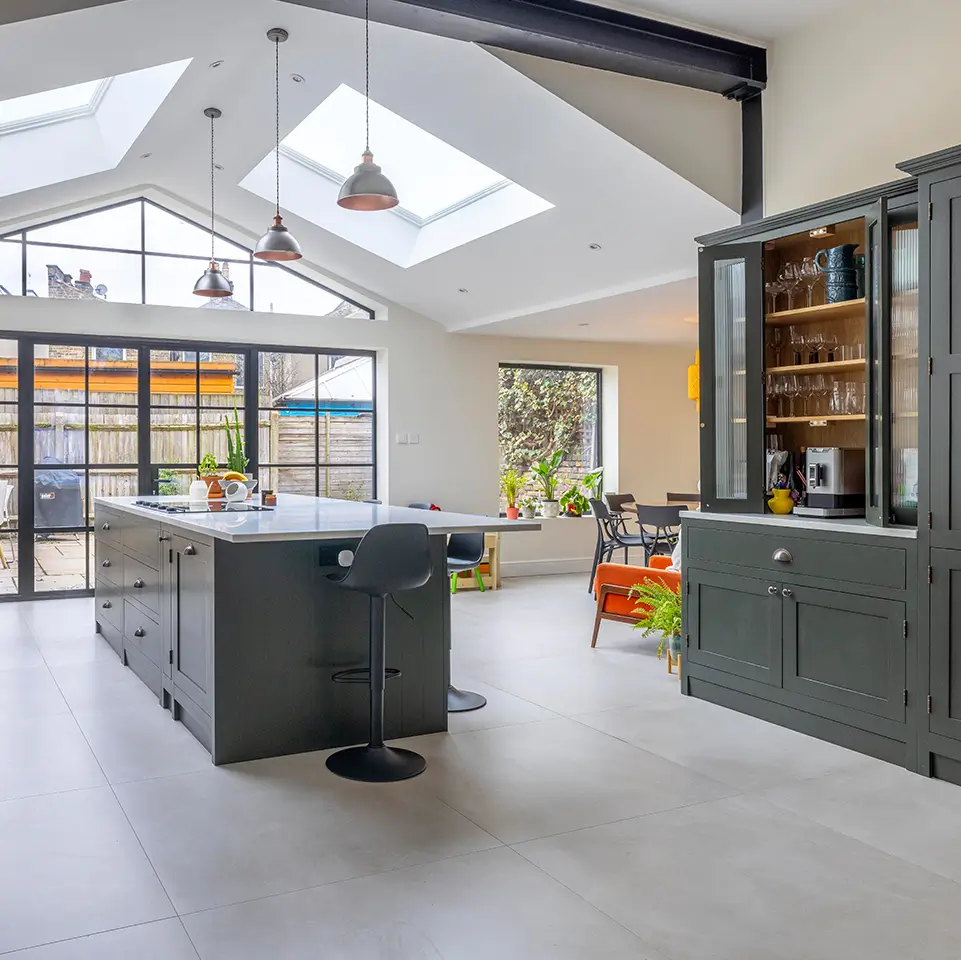
The rear façade is the part you notice first. A set of Crittall-style doors sits below a fixed gable window, all framed in black against the yellow brick. With the doors folded back, the kitchen and the garden behave as one space, which was the single most important thing the owners asked for.
The floorplan
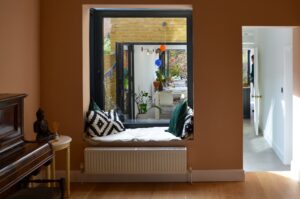
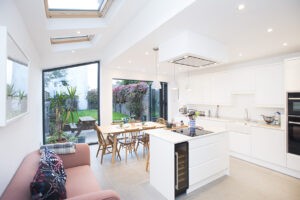
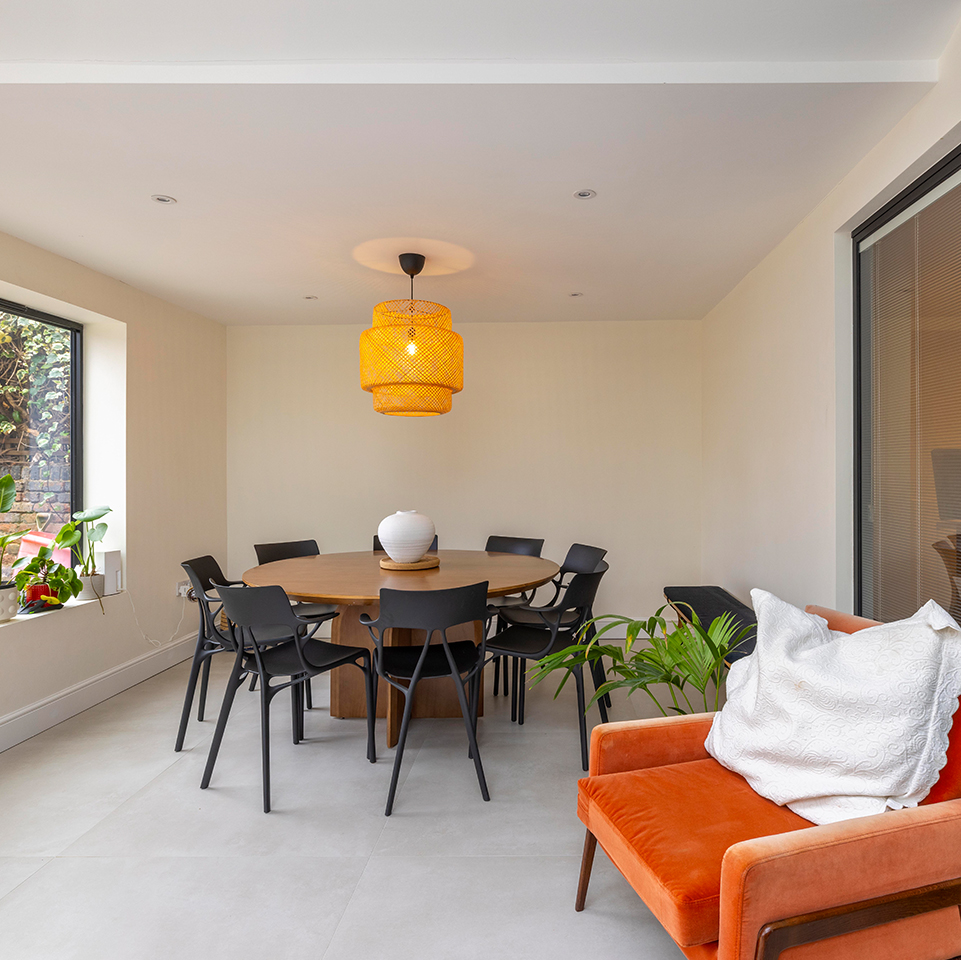
The plan keeps the living area at the front of the house, where the bay window is, and pushes the kitchen and dining to the rear where the new glazing and skylights bring in the most light. The island sits in the middle, so the person cooking stays part of the room rather than facing a wall. The downstairs WC was relocated and the hallway reworked, which tidied up how you move through the ground floor.
View the ground floor plan (PDF)
The design features that make it work
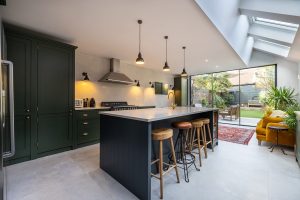
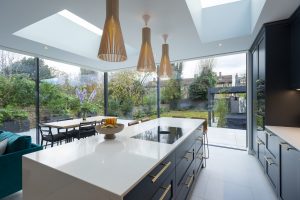
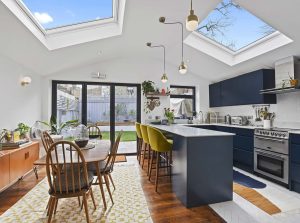
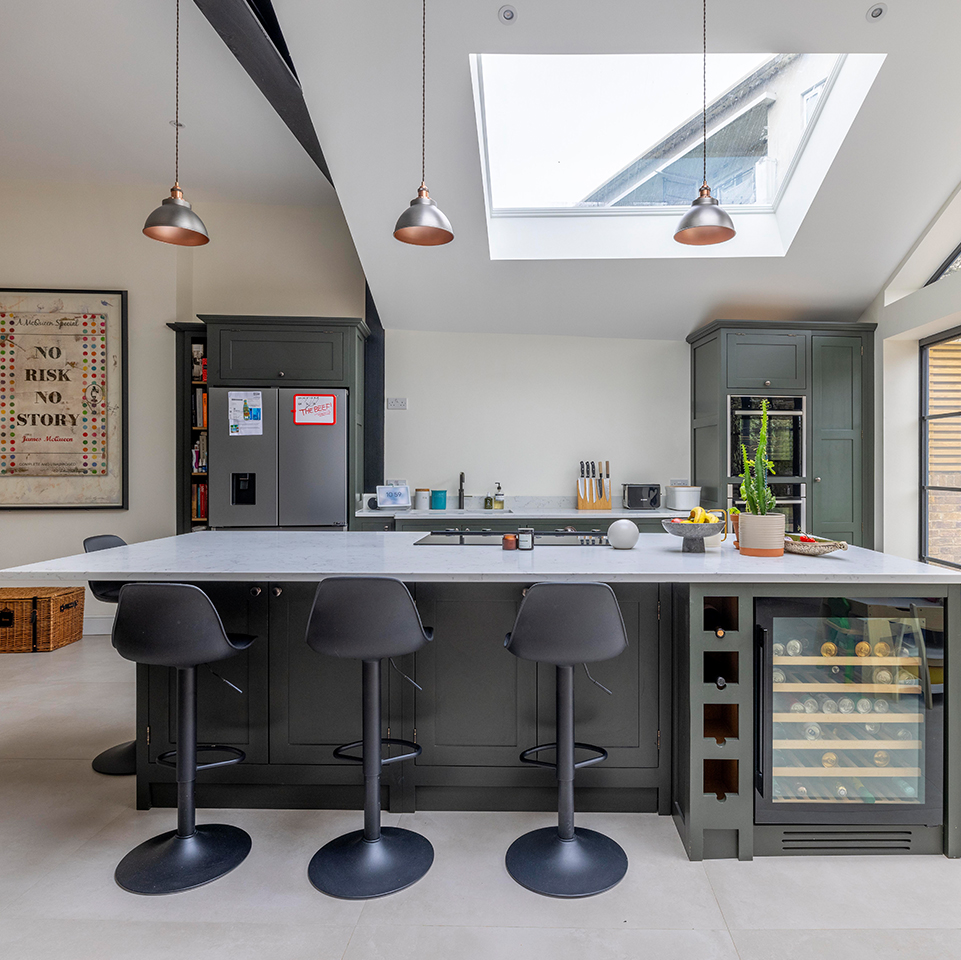
Architectural skylights. A run of roof lights along the vaulted ceiling pulls daylight into the centre of the plan. In a terrace, the middle of a deep extension is usually the darkest point, so the skylights do real work here rather than acting as decoration.
Crittall-style doors and a gable window. The black-framed glazing gives the rear its industrial character. More practically, the fixed gable window above the doors brings light in high up, where a standard door set would stop.
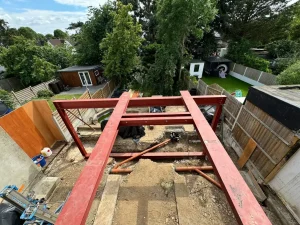
Exposed steel beams. Opening up an old terrace this much needs structural steel. Rather than box the steels in, the design leaves them exposed. It suits the period brick and the modern fit-out, and it saves the ceiling height that boxing-in would have eaten.
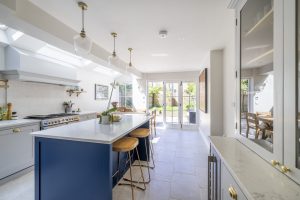
A working island. The island carries the hob and seating and houses a wine fridge. It is the prep surface, the breakfast bar and the social centre of the room in one piece, which is what an open-plan kitchen needs to avoid feeling like a corridor with units down one side.
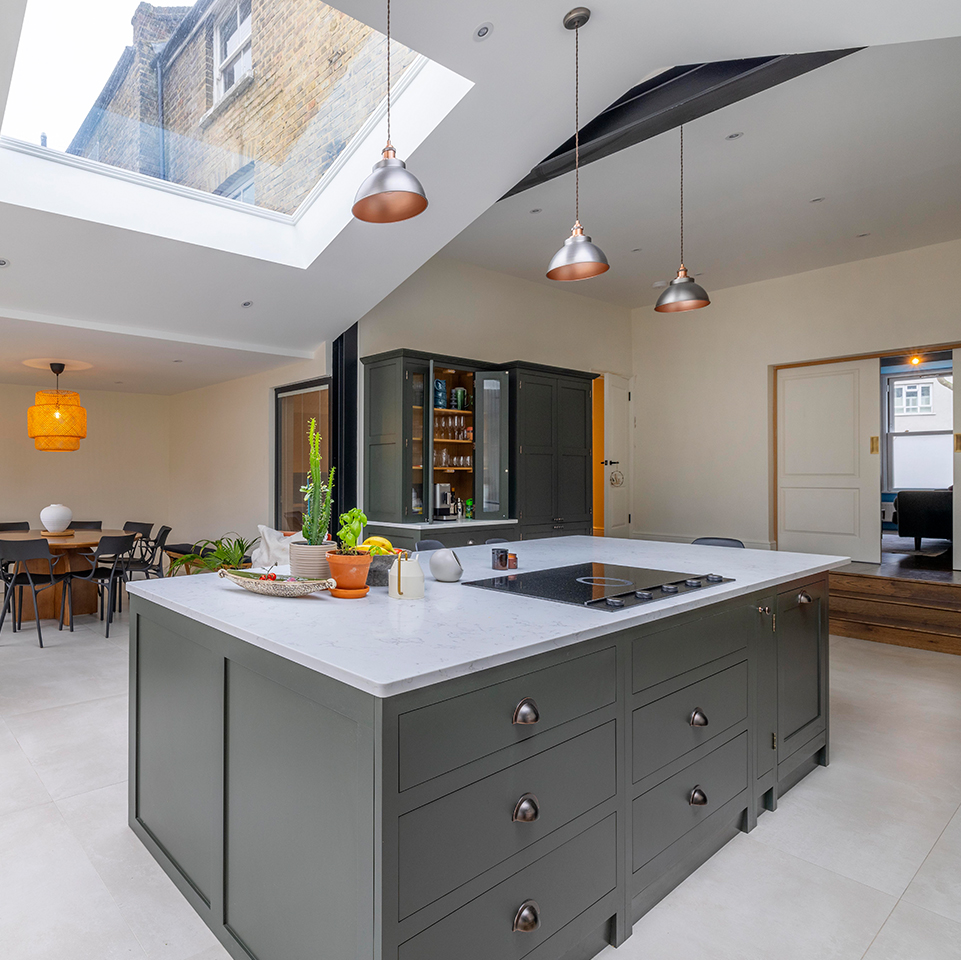
Proportioned for cooking and dining. The space gives the cooking zone and the dining zone room to work without crowding each other. It is a simple thing that is easy to get wrong, and it is the difference between a kitchen that flows and one that feels tight the moment two people are in it.
Planning and party wall
A ground floor rear extension of this depth usually needs a full planning application rather than relying on permitted development, particularly on a Victorian terrace where the rear building line and neighbouring windows come into play. If you want to check where your own project might sit, our planning checker is a quick first step.
Because the house shares walls with neighbours on both sides, the work also fell under the Party Wall Act. That means serving notice and, in most cases, agreeing an award with the adjoining owners before work starts. We cover how that process runs on our party wall page.
What it cost and how long it took
The build came in at £109,000 plus VAT over 16 weeks. That figure covers a full ground floor rear extension of this size and specification: the structural steels, the Crittall glazing, the roof and skylights, and the finished kitchen with its island and cabinetry.
Costs vary with size, specification and the state of the existing house, so treat this as one real data point rather than a fixed price. For how rear and side return extension costs break down in more detail, see our extension cost guide and our side return extension cost guide. You can also read more about the service itself on our rear extension page.
In the client’s words
“We used Build Team for the design and build of our rear extension. A great experience all round. Nisha, our designer, created a design that pushed our vision further. Gustavo, our project manager, was very attentive and quickly solved any problems that arose. Would definitely recommend their services.”
— Charlie & Diane, Bonham Road
Rear extensions in Brixton: common questions
Do you need planning permission for a rear extension?
Smaller single-storey rear extensions can sometimes fall under permitted development, but a wider, deeper extension like this one usually needs a full planning application, especially on a terrace. Check your own case with our planning checker.
How much does a rear extension cost in London?
It depends on size and specification. Bonham Road was £109,000 plus VAT for 52 sqm to a high finish. Our extension cost guide breaks the numbers down by type and size.
How long does a rear extension take to build?
This one took 16 weeks on site. Timelines shift with size, ground conditions and specification, but a single-storey rear extension of this scale is typically in this range once on site.
Do I need a party wall agreement?
If your house is attached to a neighbour, almost certainly yes. You serve notice and agree an award before work starts. See our party wall page for how it works.
Thinking about a rear extension?
Build Team is a London design and build specialist, trusted by more than 1,750 London homeowners. We design and build rear extensions like Bonham Road, with a clear, fixed price agreed before work begins. Book a free consultation to talk through your home and your budget.
Or call 020 7495 6561 · email hello@buildteam.com