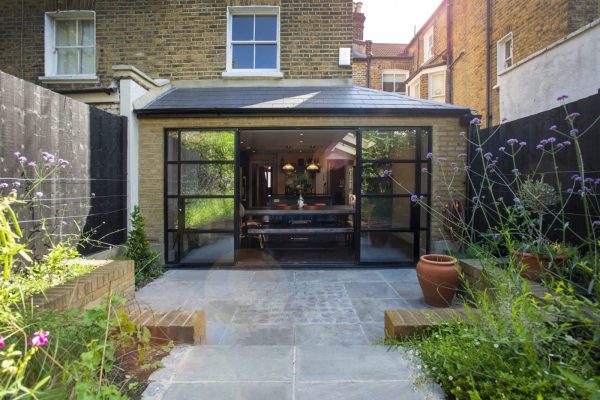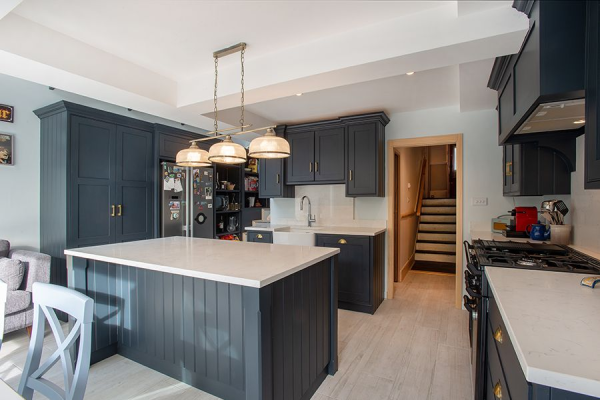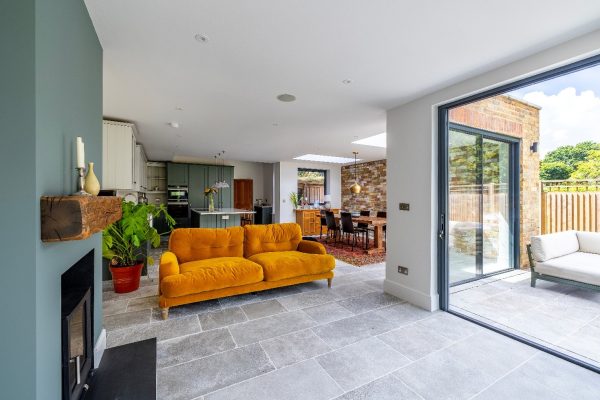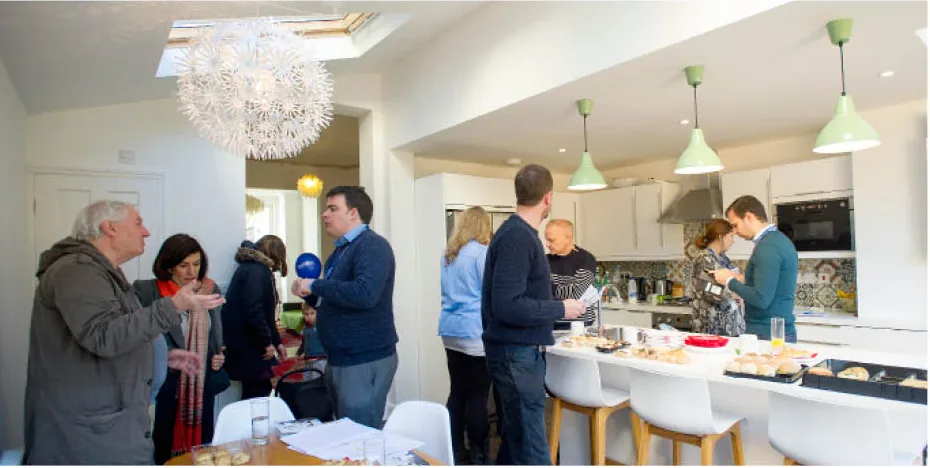
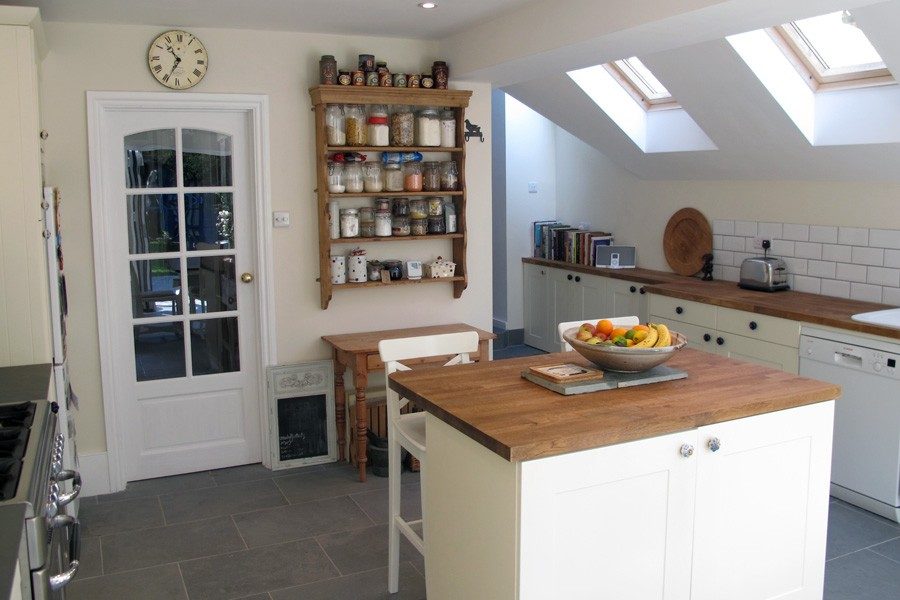
A side return extension in London costs roughly £70,000 to £120,000 all-in in 2026, at about £2,800 to £5,500 per m², including the build, a new kitchen-diner, glazing, professional fees and 20% VAT. A small basic side return starts from around £55,000; a large, high-specification one can pass £150,000. The rate per square metre is higher than a larger rear extension, because the small footprint spreads the fixed costs over fewer metres.
The side return is the narrow strip of land that runs alongside the rear outrigger of a Victorian or Edwardian terrace, the dead space that often holds nothing but a drain and a few bins. Filling it in is the most popular extension in London, because it turns a cramped galley kitchen into a wide, light kitchen-diner without losing much garden. It is also the project we are asked to price more than any other. This guide sets out what a side return really costs in 2026, where the money goes, what moves the price, and how it compares with the alternatives, using current figures and our own completed projects.
How much does a side return extension cost in London?
A typical London side return costs between £70,000 and £120,000 all-in in 2026, with most projects landing around £85,000 to £95,000. The figure depends mainly on the specification you choose, not the floor area, because side returns are small to begin with. The table below sets out the three tiers:
| Specification | Build £/m² | Typical finished size | All-in cost (incl. kitchen, glazing, fees, 20% VAT) |
|---|---|---|---|
| Basic | £2,800 to £3,100 | 10 to 12 m² | £55,000 to £75,000 |
| Mid-range | £3,100 to £4,200 | 12 to 15 m² | £75,000 to £110,000 |
| High-end | £4,300 to £5,500+ | 15 m²+ | £120,000 to £180,000+ |
Basic covers a sound, Building-Regs-compliant build with a flat roof, standard rooflights and a standard kitchen. Mid-range adds aluminium bifolds, a roof lantern, a good-quality kitchen-diner and underfloor heating. High-end means structural or slimline glazing, custom joinery and a premium kitchen. These figures are in line with the wider London market and with our cost guide to how much an extension costs in London, where you can compare a side return against rear, wraparound and double-storey extensions.
Why does a side return cost more per square metre than a rear extension?
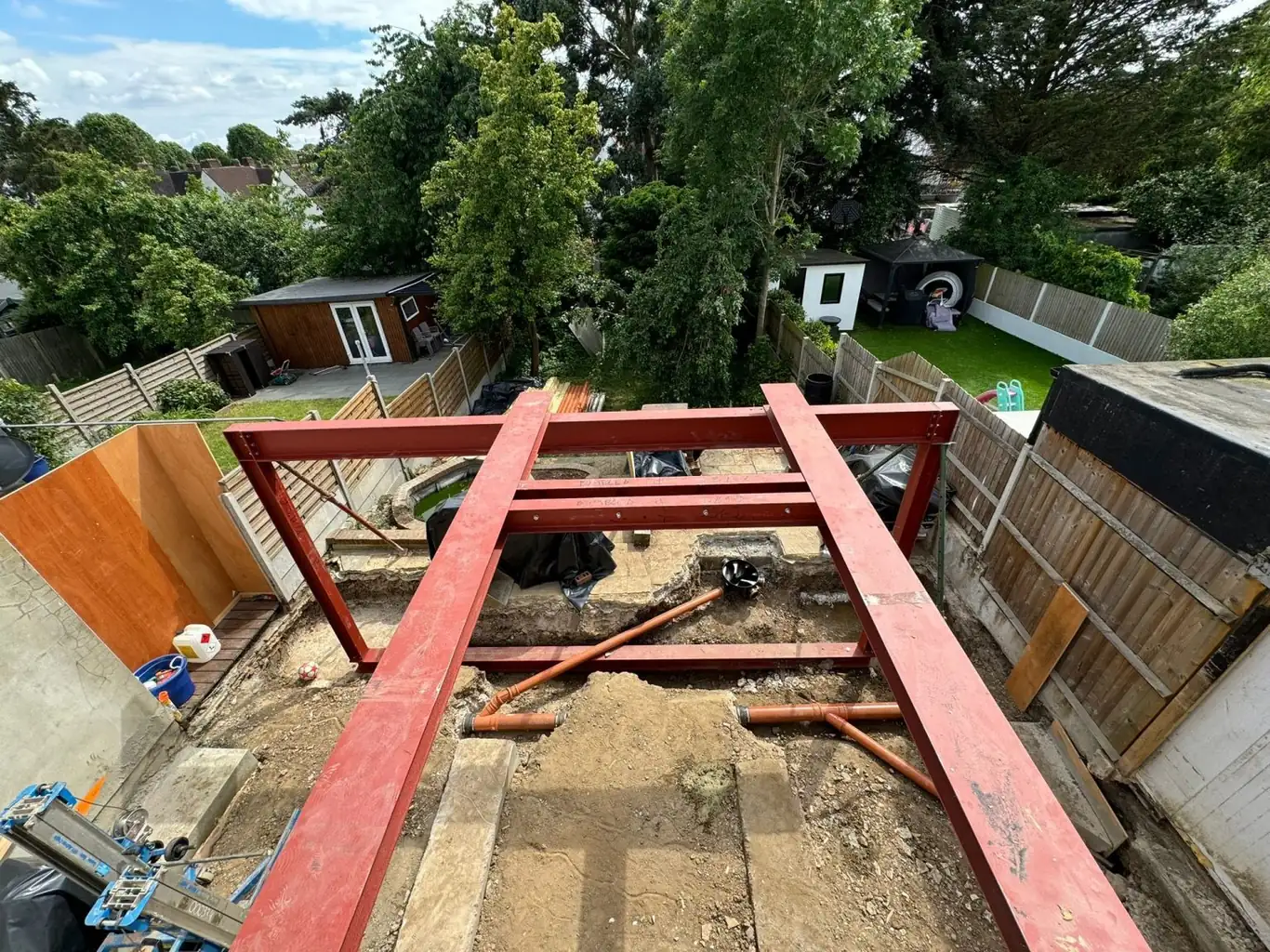
This is the question that surprises most homeowners. A side return is small, so people expect it to be cheap, and per project it often is the most affordable extension. But measured per square metre it is usually the most expensive single-storey option, and the reason is fixed costs. A side return still needs foundations, a structural steel beam to carry the wall that is removed, drainage diversion, a watertight roof, building control and a full set of professional fees, exactly like a larger extension. Those costs barely change whether the new floor is 10 m² or 30 m², so when they are spread over a small footprint the rate per metre rises. A larger rear extension enjoys economies of scale that a side return cannot. It is worth understanding this before you compare quotes, because a side return priced like a big rear extension per metre is not being overcharged.
What does a side return cost, line by line?
A trustworthy quote breaks the cost into its parts rather than giving a single lump sum. Here is a realistic 2026 breakdown for a London side return:
| Cost element | 2026 London figure |
|---|---|
| Design and professional fees | 10 to 20% of build cost (architect, engineer, party wall, drawings) |
| Planning application (if needed) | £548 (England householder fee, from April 2026) |
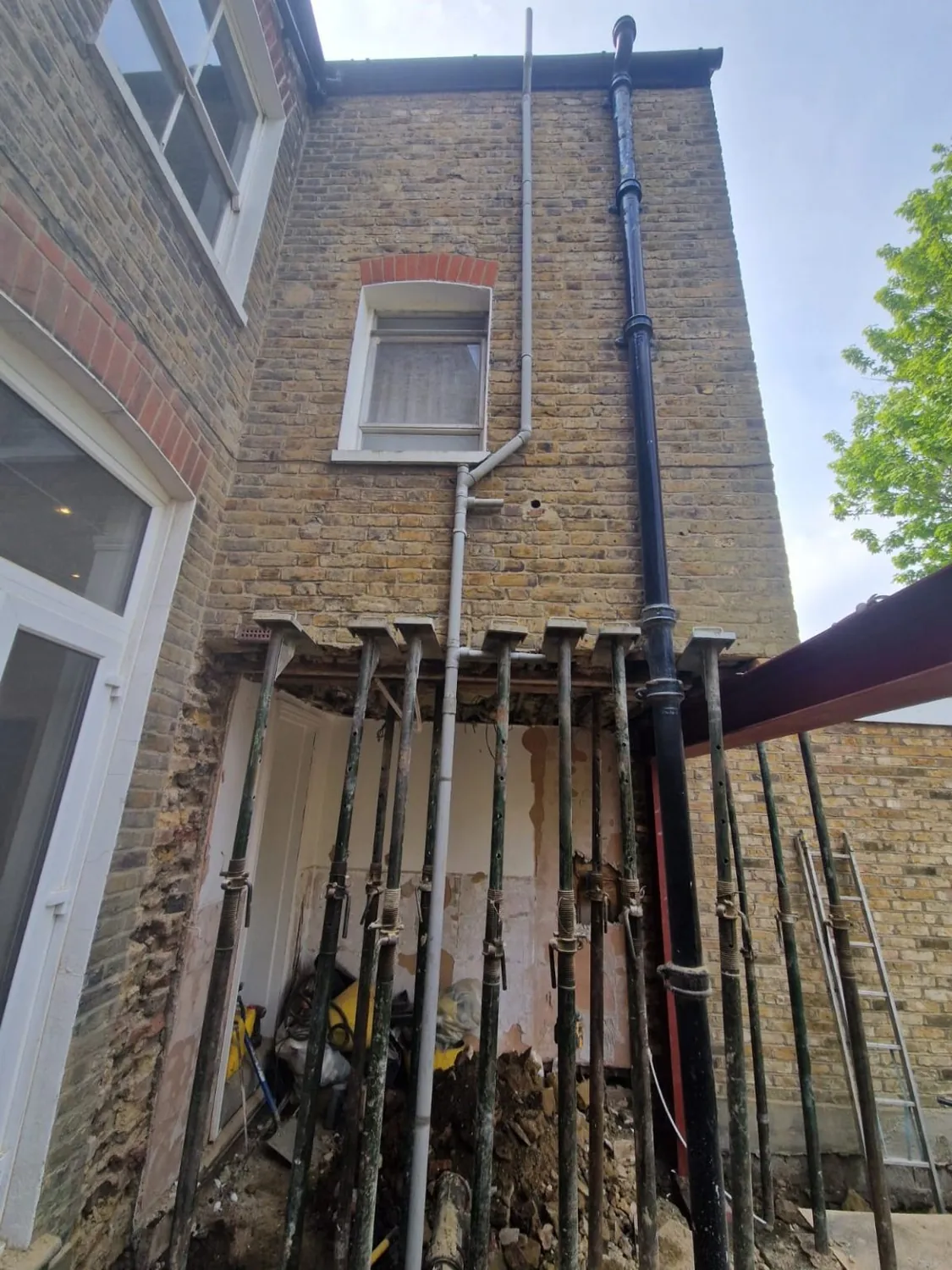
| Structural engineer and steel beam(s) | £1,800 to £5,500 (single); £6,000 to £12,000 for a goalpost frame |
| Construction shell | £40,000 to £60,000 |
| Kitchen-diner fit-out | £20,000 to £40,000 (mid); £40,000 to £80,000+ (premium) |
| Roof lantern or rooflights | £1,500 to £5,000 each |
| Aluminium bifold doors | £3,150 to £7,200 |
| Party wall surveyors (two neighbours) | £3,000 to £7,200 total |
| Building control | £600 to £1,200+ |
| VAT | 20% on the whole project |
| Contingency | 10 to 20% of the total |
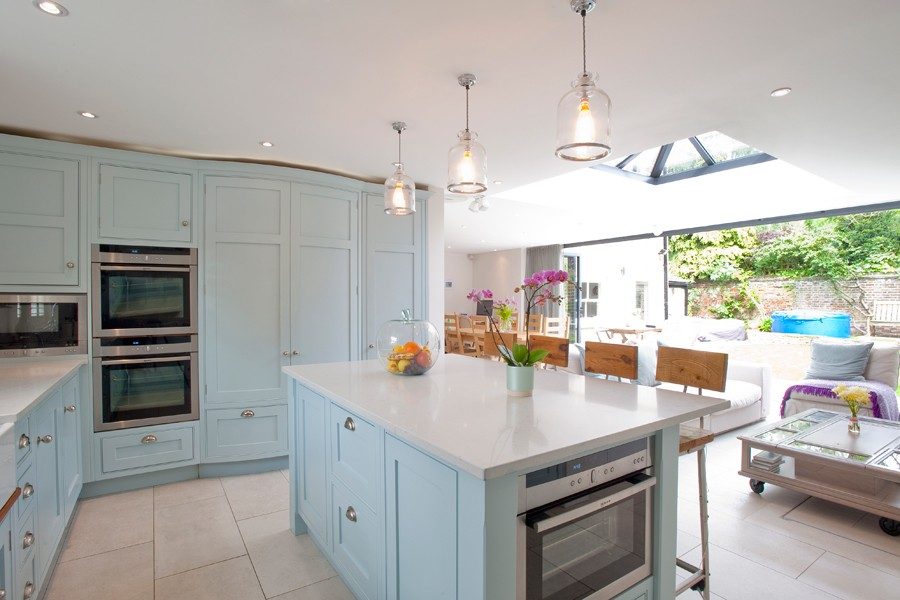
The single biggest line is usually not the shell but the kitchen and glazing combined, because a side return is built to create a kitchen-diner and to bring in light. That is why two side returns of identical size can differ by £40,000 or more. If you want to understand what a fair quote should contain and how to spot an underpriced one, read our guide to getting a realistic builder’s quote.
What affects the cost of a side return?
On the same footprint, two side returns can differ by tens of thousands of pounds. The main drivers, in order of impact:
- Glazing: the biggest variable. A couple of standard rooflights versus a full structural-glass roof and full-width bifolds can swing the budget by £15,000 or more. Because a side return is narrow, overhead glazing is what stops it feeling like a dark corridor, so it is rarely the place to economise. Our guide to flat versus pitched roofs explains how the roof choice affects both light and cost.
- Kitchen specification: from a £15,000 fitted kitchen to £50,000+ of custom joinery and premium appliances. This is the line homeowners most often underestimate.
- Structural steel: removing the outrigger wall to open the space may need a single beam or, for full open-plan flow, a goalpost frame, which costs considerably more. Steel prices are also rising in 2026.
- Ground conditions: clay soil, nearby trees or poor ground can require deeper or piled foundations, adding several thousand pounds.
- Party wall: a mid-terrace has two neighbours, and if either appoints their own surveyor the cost roughly doubles.
- Access: most terraces have no side access, so every load of materials and waste is carried through the house, which adds labour time. Inner-London boroughs also run 20 to 25% above outer London on labour.
Side return or wraparound: which costs more?
A wraparound extension combines the side return with a rear extension to wrap around the back corner of the house, creating the largest single-storey footprint. It costs more in total, with a premium of roughly 15 to 25% over a simple rear extension, and London wraparound projects typically run from £130,000 to £250,000 or more. A wraparound also almost always needs full planning permission, because the side element breaches the permitted development rules. If your budget is tight, a side return alone delivers most of the light and kitchen-diner benefit for considerably less; if you have the budget and want to push into the garden as well, the wraparound is the larger prize. Our extension cost guide compares all the types side by side.
Do I need planning permission for a side return?
Sometimes, but not always, and this catches many homeowners out. A side return on a freehold house can fall under permitted development if it is single-storey, no wider than half the original house, within the height limits and built in matching materials. In practice, many London terraces need full planning permission anyway: the outrigger is often longer than the rules allow, and the half-width test is easily failed. Flats and maisonettes have no permitted development rights at all.
The bigger issue in London is Article 4 directions and conservation areas, which are common in the inner terraced boroughs and remove permitted development rights, forcing a planning application and higher design standards. Before you assume your side return is permitted development, check your specific address. You can use our permitted development and Article 4 checker to see what is likely to apply, and confirm with your council. Where a planning application is needed, budget the £548 fee, more design and drawing time, and an eight to twelve week determination period.
Real side return projects we have completed in London
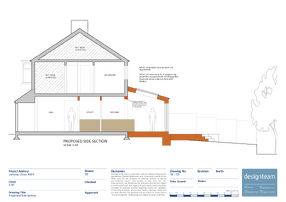
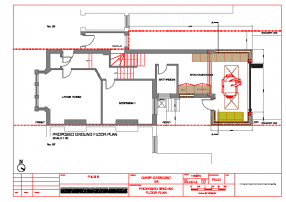
Build Team has completed more than 1,000 ground-floor extensions across 32 London boroughs, over 150 of them side-return-scale projects, typically between 9 and 16 m². Seeing real sizes and roof choices is the clearest way to picture what your budget buys. A sample of completed side returns:
| Plan | Street | Area | Size | Roof |
|---|---|---|---|---|
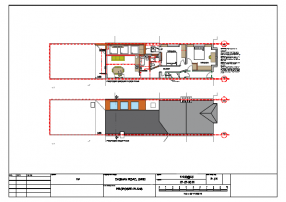 |
Dagnan Road | SW12 (Balham) | 9 m² | Slate & Velux |
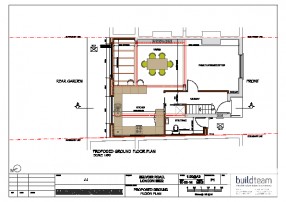 |
Belvoir Road | SE22 (East Dulwich) | 11 m² | Slate & Velux |
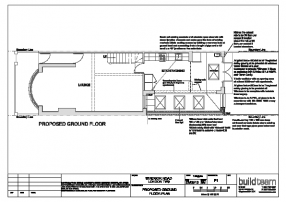 |
Windsor Road | TW9 (Richmond) | 15 m² | Slate & Velux |
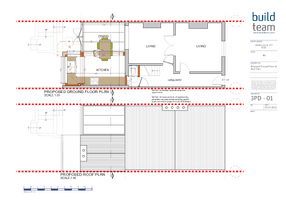 |
Maidenstone Hill | SE10 (Greenwich) | 16 m² | Slate & Velux |
 |
Larkway Close | NW9 (Colindale) | 18 m² | Slate & Velux |
 |
Digby Crescent | N4 (Finsbury Park) | 20 m² | Flat roof |
You can browse more completed side returns, with drawings and photographs, in our design and planning database, filterable by borough and extension type.
Does a side return extension add value?
Usually, yes, and often more than it costs. Nationwide’s research found that adding usable space, such as a kitchen-diner and an improved layout, can add as much as 24% to the value of a three-bedroom house, with floor-space improvements among the most reliable ways to add value. London extension specialists report that a side return commonly adds £50,000 to £100,000 to a terraced home, frequently more than the project itself costs. Set against the average London house move, which now costs around £32,786 in stamp duty, fees and removals with nothing to show for it in space, extending rather than moving is the more economical choice for most families. If you are weighing up how to pay for the work, our guide to funding and budgeting a home extension covers the options.
How to get a realistic side return quote
For a quick estimate based on your size and specification, use our online extension cost calculator. For a fixed price tailored to your home, book a free design and planning consultation through our side return extension service and we will give you a clear, itemised quote before any work begins. Whichever route you take, make sure the quote is fixed rather than an estimate, itemised line by line, and clear about what is excluded, so you can compare builders on the same basis.
Frequently asked questions
How much does a side return extension cost in London in 2026?
About £70,000 to £120,000 all-in, at roughly £2,800 to £5,500 per m², including the build, kitchen-diner, glazing, fees and 20% VAT. A small basic side return starts from around £55,000.
Why is a side return more expensive per square metre than a rear extension?
Because the fixed costs, foundations, steel, drainage, building control and professional fees, are much the same whatever the size, so a small footprint spreads them over fewer square metres and the rate per metre rises.
Do I need planning permission for a side return?
A side return on a house can be permitted development, but many London terraces need full planning permission, and Article 4 directions or conservation areas often remove permitted development rights. Check your specific address before assuming.
How much does a side return add to the kitchen cost?
A side return almost always includes a new kitchen-diner, typically £20,000 to £40,000 for a mid-range fit-out and £40,000 to £80,000 or more for a premium one. This is usually the largest single part of the budget.
Is a side return cheaper than a wraparound?
Yes. A wraparound combines a side return with a rear extension and costs 15 to 25% more than a rear extension alone, typically £130,000 to £250,000+. A side return delivers most of the light and kitchen-diner benefit for less.
How long does a side return take to build?
Most side returns take around 10 to 16 weeks on site once started, plus design and planning time beforehand. Party wall agreements and planning permission, where needed, add to the timeline.
Thinking about a side return extension?
Build Team is a London design and build extension specialist, trusted by more than 1,750 London homeowners, with over 150 completed side returns across the city. Book a free consultation for a fixed price, or get an instant estimate for your home.
Thinking about a side return extension?
Build Team is a London design and build extension specialist, trusted by more than 1,750 London homeowners, with over 150 completed side returns across the city. Book a free consultation for a fixed price, or get an instant estimate for your home.
Or call 020 7495 6561 · email hello@buildteam.com