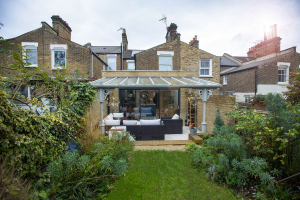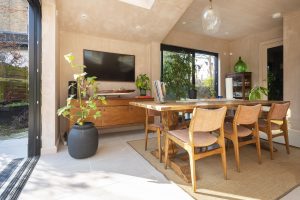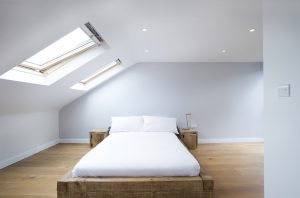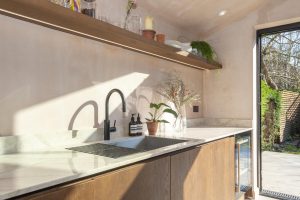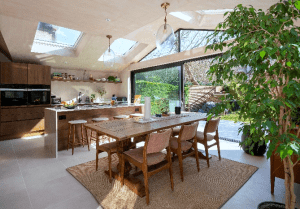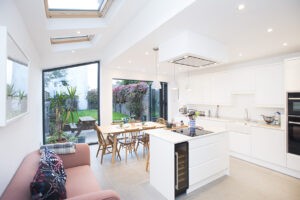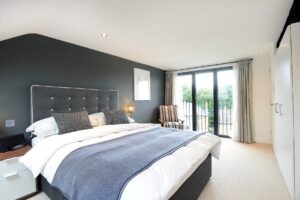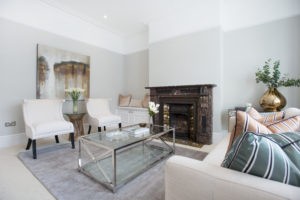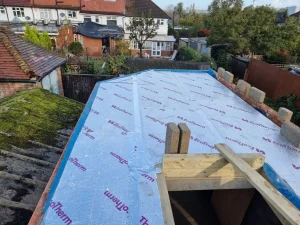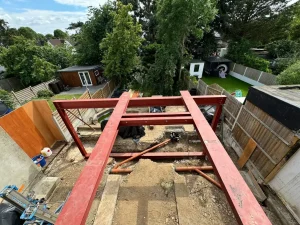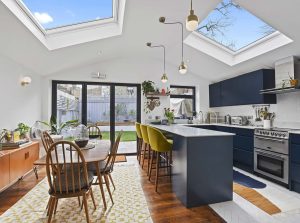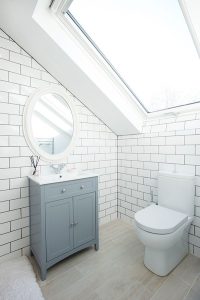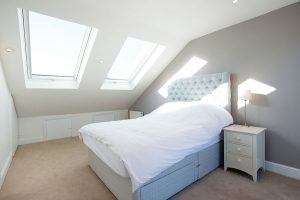

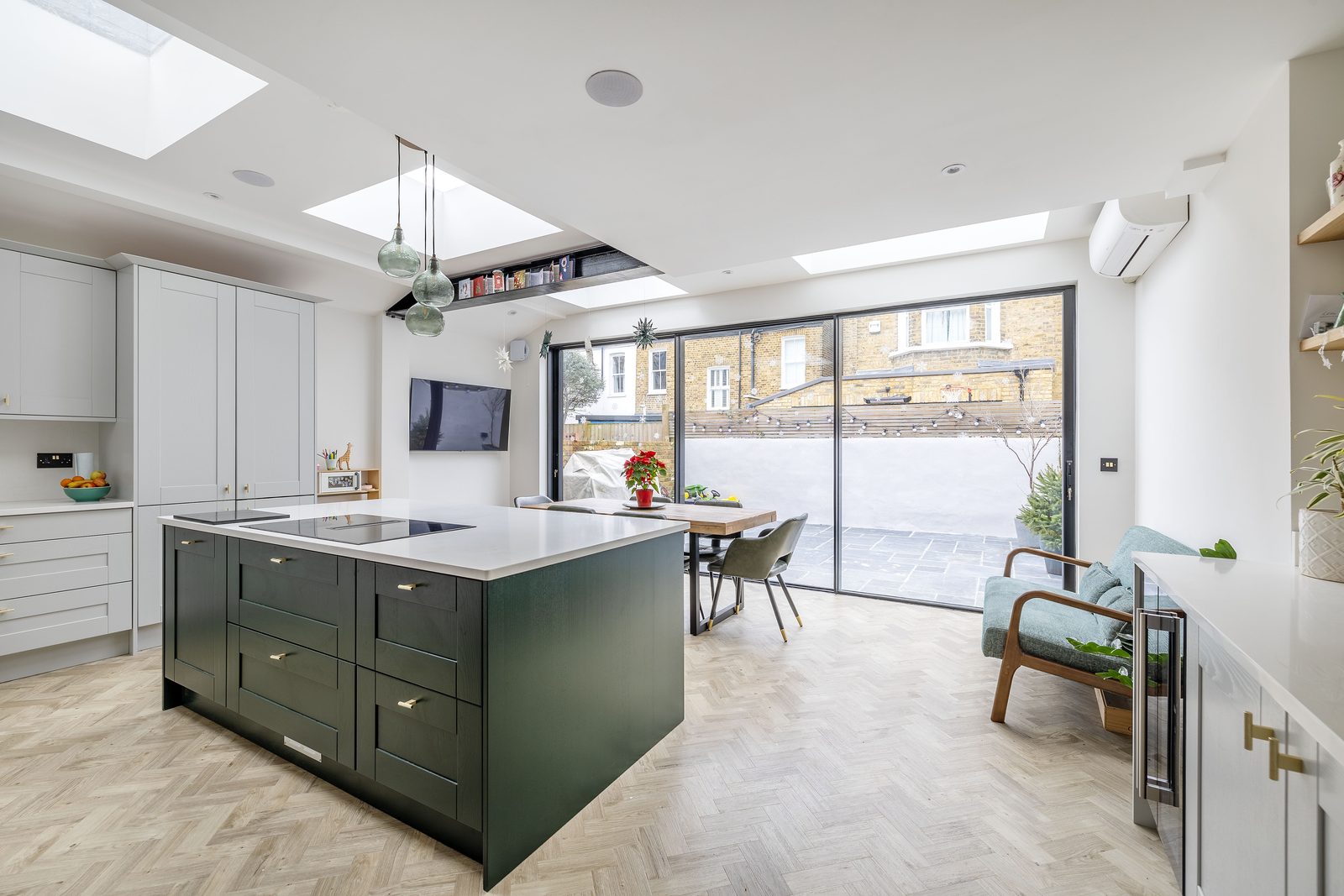
Heber Road is a 45 sqm side return and rear extension on a Victorian townhouse in East Dulwich, SE22. It took 16 weeks to build and cost £61,600 plus VAT. The brief was to turn a dated, closed-off kitchen into one bright open-plan kitchen, dining and living space that opens onto the garden. Below is the full project: the brief, the design, the floorplan, the cost and timeline, and the finished rooms.
Floorplans, design sketches and the complete photo set in one document.
Download the Heber Road case study (PDF)
The project at a glance
| Location | East Dulwich, SE22 |
| Property | Victorian townhouse |
| Extension type | Side return and rear extension |
| Size added | 45 sqm |
| Build time | 16 weeks |
| Cost | £61,600 + VAT |
The starting point
Heber Road is a Victorian townhouse in East Dulwich, and the back of the house had dated over the years. The kitchen was closed off, short on light, and cut off from the garden, with a layout that no longer suited family life. The owners wanted a single open space at the rear where they could cook, eat and sit together, with a clear line out to the courtyard.
What we built
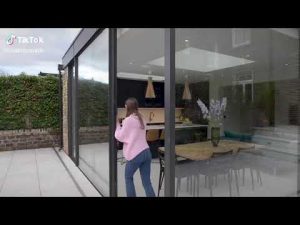
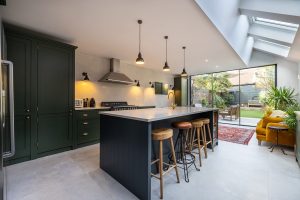
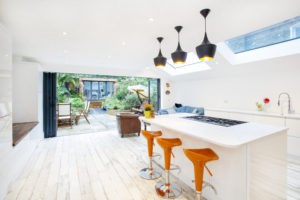
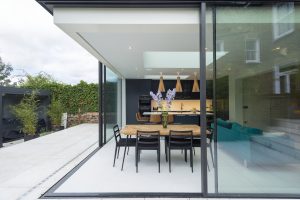
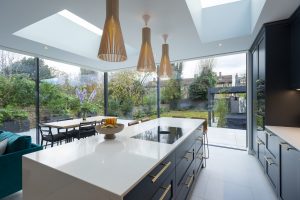
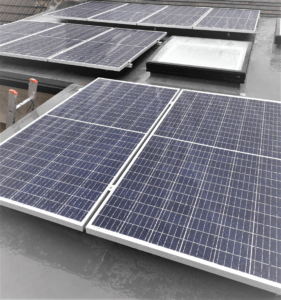
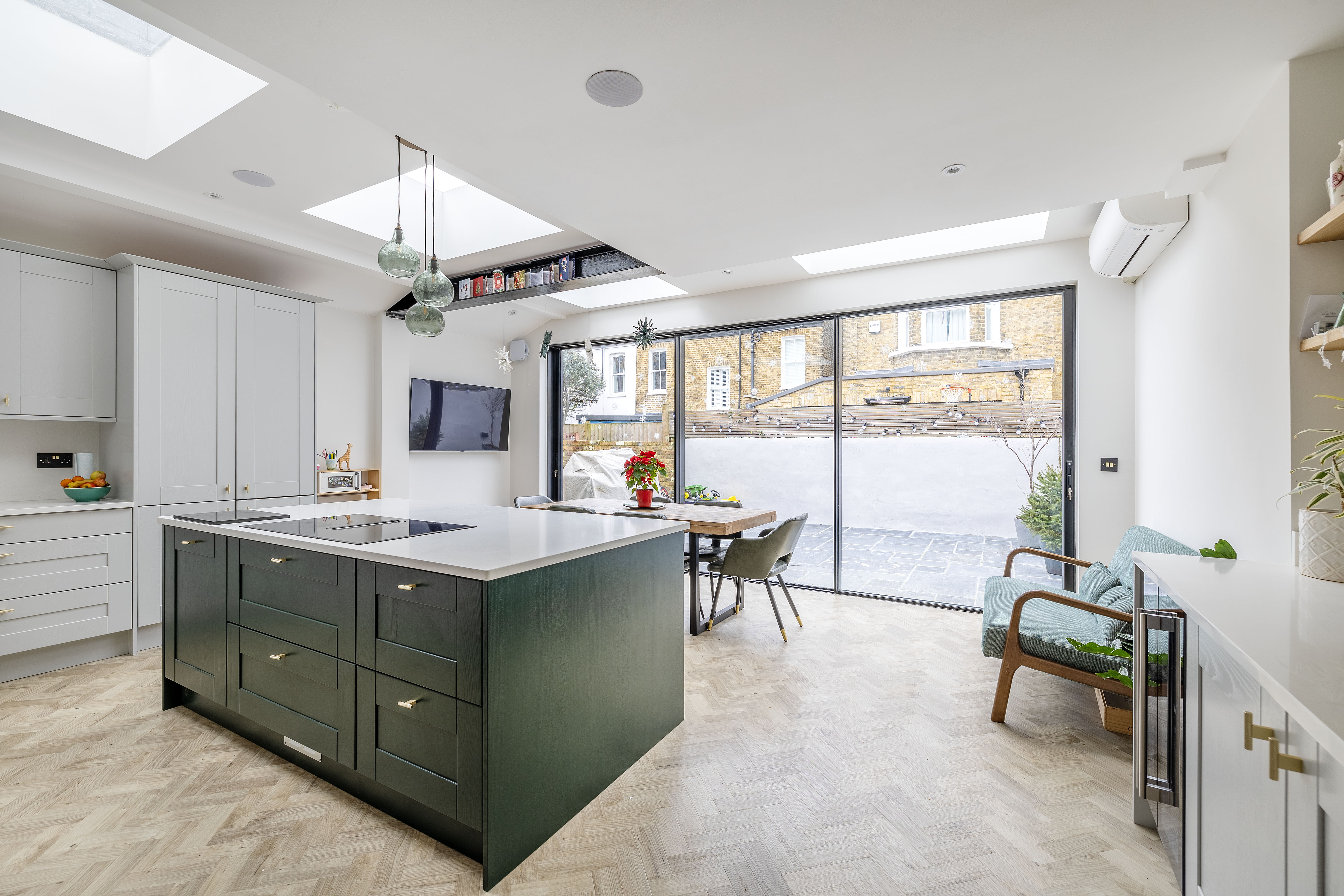
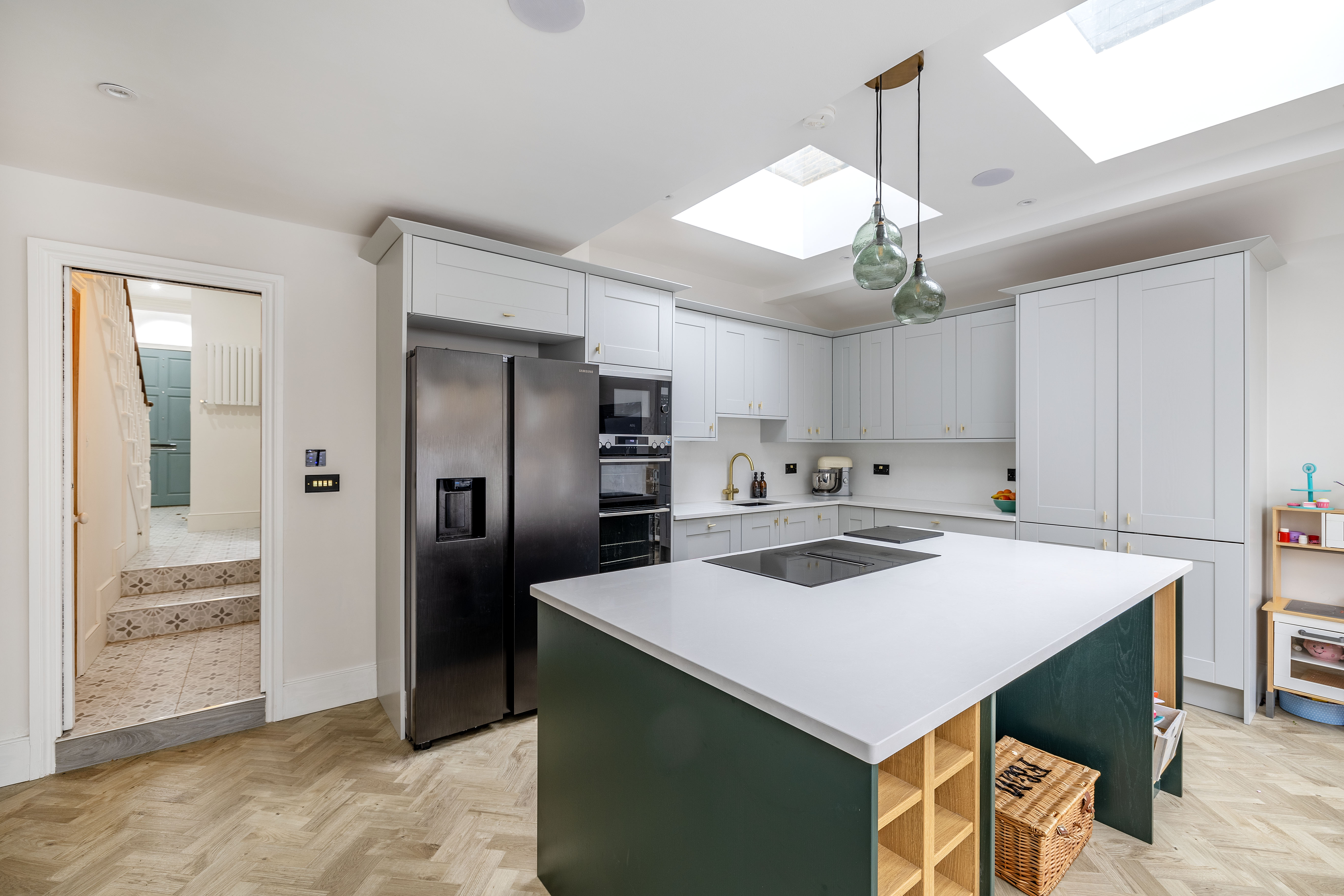
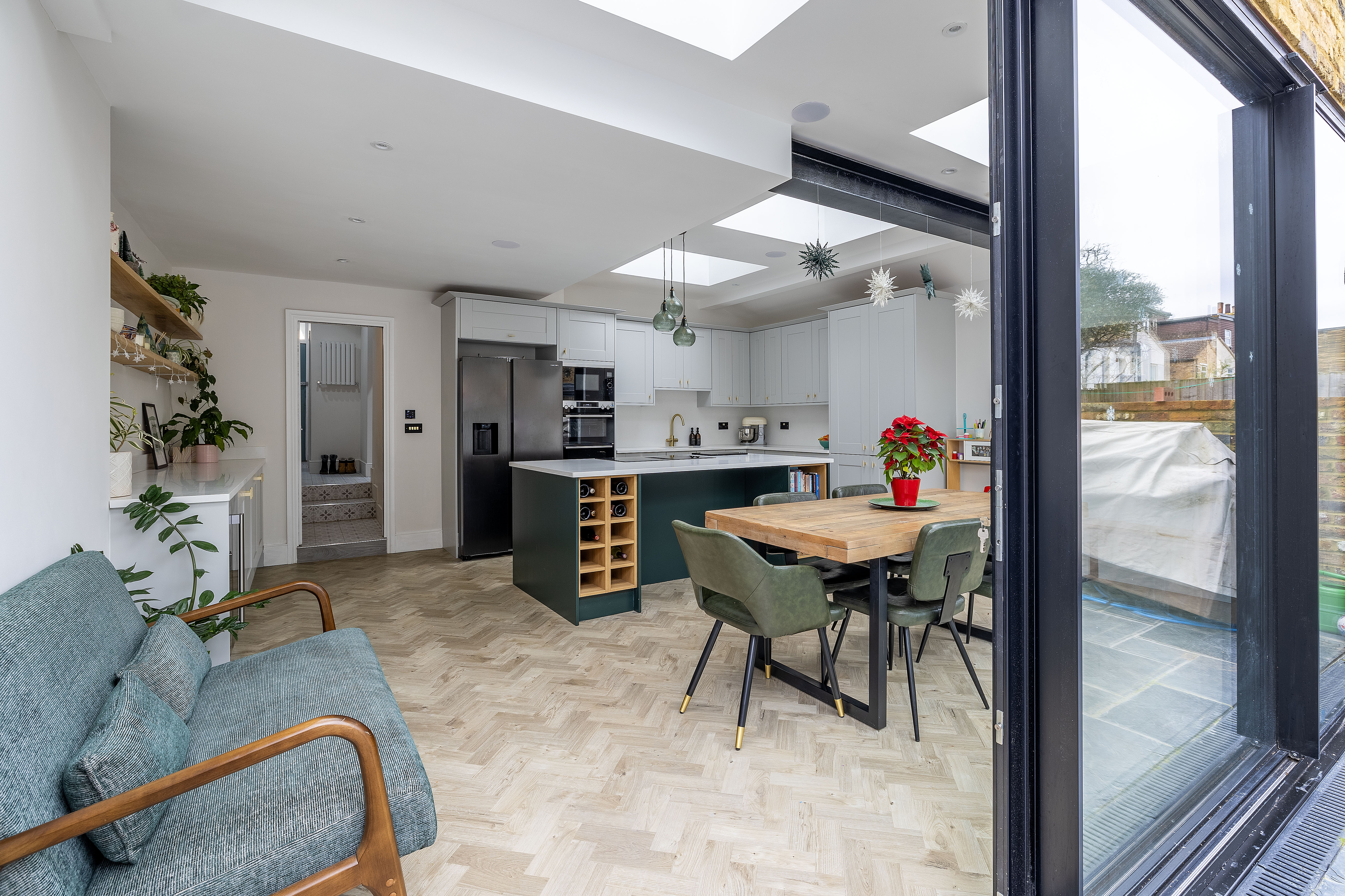
The design combines a side return and a rear extension, adding 45 sqm across the ground floor. Filling in the side return and pushing out at the back turned a narrow, dark kitchen into a wide open-plan space that runs the full width of the plot. Frameless architectural skylights replace standard Velux rooflights for a cleaner, minimal look, while 20mm framed sliding doors in three large panes along the rear open the kitchen straight onto the garden patio.
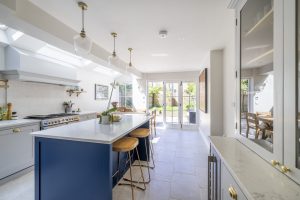
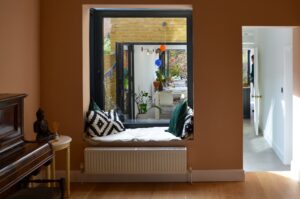
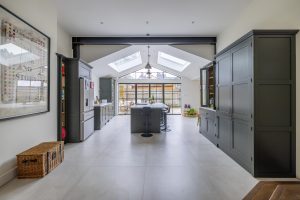
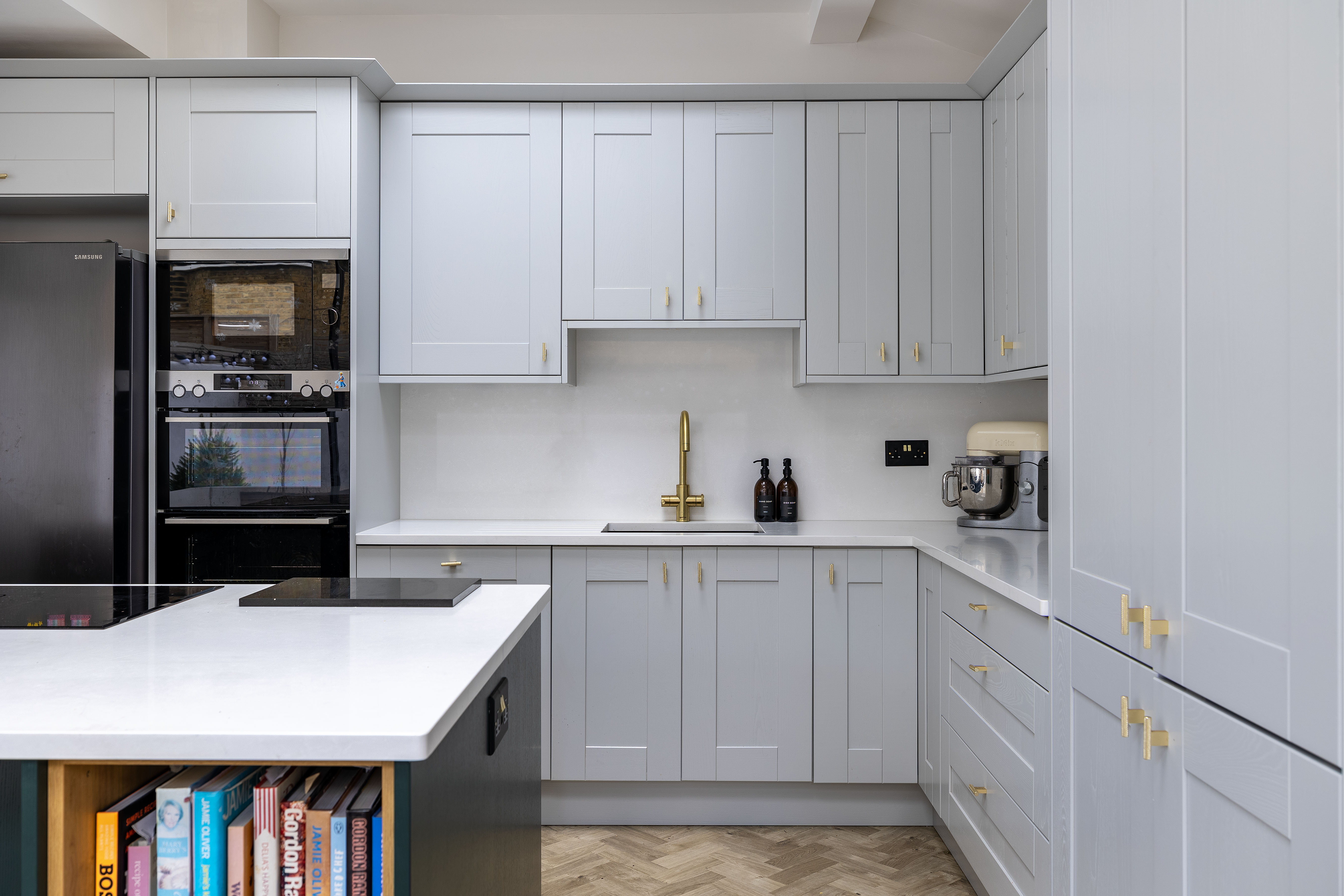
The finish balances period and modern: a dark green island against pale Indian white cabinets, parquet flooring, brass fittings and an exposed steel beam left on show.
The floorplan
The open-plan kitchen, dining and living area sits at the rear, with the island between the cooking zone and the dining table so the cook stays part of the room. A utility and WC with patterned floor tiles tuck in beside the hallway, and the original front reception is kept intact.
View the ground floor plan (PDF)
The design features that make it work
Exposed steel beam. Opening up the rear needed structural steel. Leaving the beam exposed keeps ceiling height, suits the period house, and doubles as a ledge for cards and small pieces.
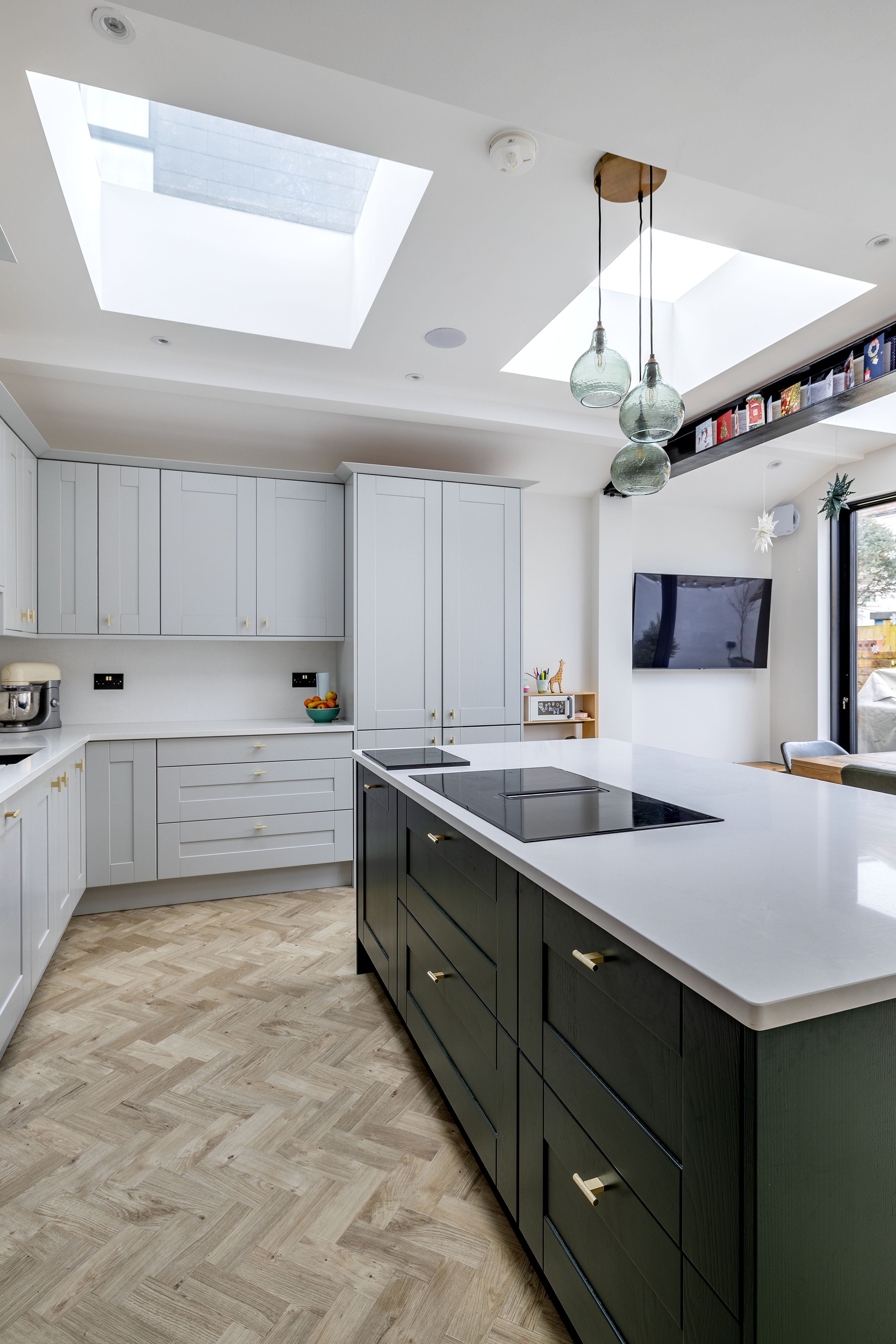
Skylights and sliding doors together. The skylights work alongside the sliding doors so daylight comes from above and from the garden side at once. That combination is what keeps a deep terrace extension from going dark in the middle.
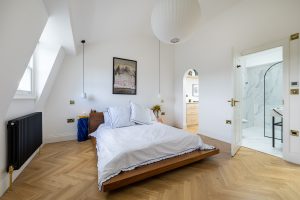
Parquet flooring. The herringbone parquet gives the open-plan floor warmth and movement, and ties the kitchen, dining and living zones together as one space rather than three.
Indian white cabinets and a green island. Pale Indian white units keep the perimeter light, while the dark green island anchors the middle of the room and carries the hob and seating.
Planning and party wall
A side return and rear extension of this size on a Victorian terrace usually needs a full planning application rather than permitted development, since it involves the side return infill and the rear building line. To see where your own project might sit, our planning checker is a quick first step.
The house shares walls with neighbours on both sides, so the work also came under the Party Wall Act. That means serving notice and agreeing an award with the adjoining owners before work starts. We explain the process on our party wall page.
What it cost and how long it took
The build came in at £61,600 plus VAT over 16 weeks, for 45 sqm of new ground floor space to a high finish. Costs vary with size, specification and the state of the existing house, so treat this as one real data point. For how side return and rear extension costs break down in more detail, see our side return extension cost guide and our extension cost guide. You can also read more on our side return extension page.
From the design team
“Our client wanted us to design and install minimal-style glazing for the project, so we specified architectural skylights instead of Velux rooflights. The advantage is that the skylights are frameless, providing a clean, unbroken finish and unobstructed views. We also installed 20mm framed sliding doors in three large panes, again maximising natural light. This creates an indoor-outdoor feel, bringing the garden patio into the living space.”
— David Abimbola, Head of Design, Build Team
Side return extensions in East Dulwich: common questions
Do you need planning permission for a side return extension?
Smaller side return extensions can sometimes fall under permitted development, but a combined side return and rear extension like this usually needs a full planning application, especially on a terrace. Check your own case with our planning checker (linked above).
How much does a side return extension cost in London?
It depends on size and specification. Heber Road was £61,600 plus VAT for 45 sqm. Our side return extension cost guide (linked above) breaks the numbers down.
How long does a side return extension take?
This one took 16 weeks on site. Timelines shift with size, ground conditions and specification.
Do I need a party wall agreement?
If your house is attached to a neighbour, almost certainly yes. See our party wall page (linked above) for how it works.
Thinking about a side return extension?
Build Team is a London design and build specialist, trusted by more than 1,750 London homeowners. We design and build side return and rear extensions like Heber Road, with a clear, fixed price agreed before work begins. Book a free consultation to talk through your home and your budget.
Or call 020 7495 6561 · email hello@buildteam.com