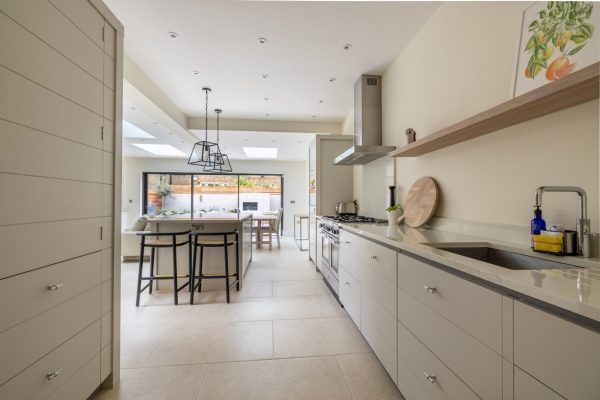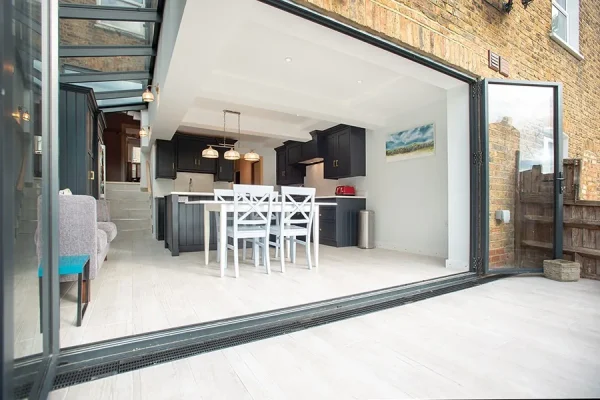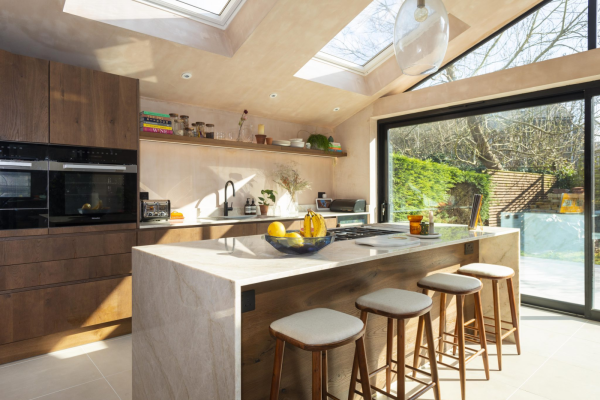
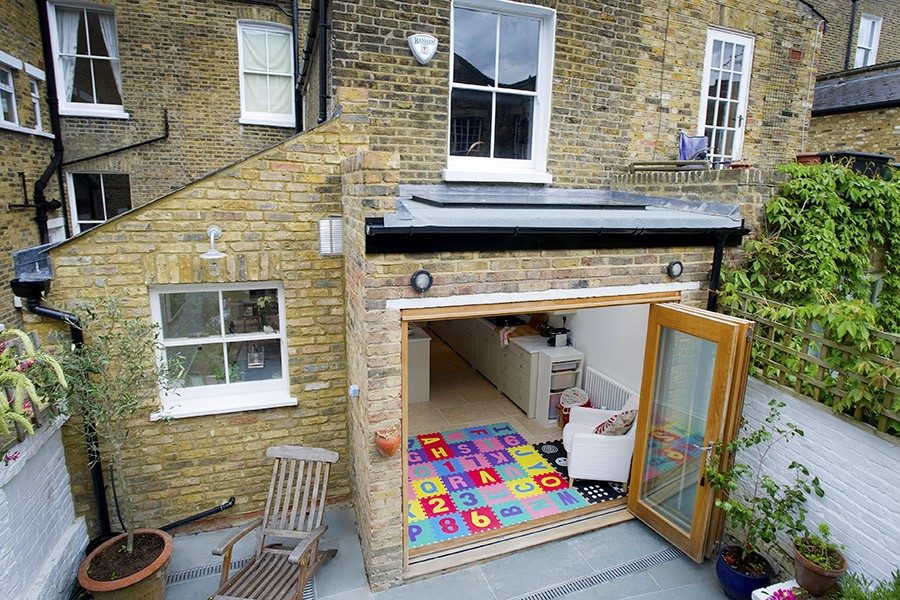
A wraparound extension costs more than a simple rear extension because it covers two areas, the side return and the rear, with more structure and glazing to match. A double-storey rear costs more again in total, though less per square metre. This guide explains what drives each figure, and how a wraparound extension compares with building straight back into the garden.
A single-storey rear extension in London costs roughly £80,000 to £150,000 all-in in 2026, at about £2,800 to £5,500 per square metre, including the build, glazing, fees and 20% VAT. A wraparound, which adds the side return alongside the rear, is the largest single-storey footprint and costs £90,000 to £170,000+, a premium of about 15 to 25% over a simple rear. A double-storey rear costs more in total, £120,000 to £220,000+, but less per square metre, because the foundations and roof are shared across two floors.
The rear extension is the workhorse of London home improvement: build out into the garden, open up the back of the house, and gain a kitchen-diner or family room. How much it costs depends mostly on three things, how far back you go, whether you wrap around the side, and whether you build one storey or two. This guide sets out what each option costs in 2026, why a bigger extension is often cheaper per square metre than a small one, and when going up a storey makes better financial sense, using current figures and our own completed projects.
How much does a rear extension cost in London?
A typical single-storey rear extension costs between £80,000 and £150,000 all-in in 2026, at about £2,800 to £5,500 per square metre depending on specification. The wraparound and double-storey options sit above it. The table below sets out the three project types:
| Extension type | Typical size | Build rate (£/m²) | All-in total (incl. fees and 20% VAT) |
|---|---|---|---|
| Single-storey rear | 15 to 30 m² | £2,800 to £5,500 | £80,000 to £150,000 |
| Wraparound (rear + side return) | 25 to 45 m² | £3,200 to £4,800 | £90,000 to £170,000+ |
| Double-storey rear | 30 to 60 m² total | £2,800 to £4,500 | £120,000 to £220,000+ |
Specification matters more than size at the lower end: a basic build runs around £2,800 to £3,200 per square metre, mid-range £3,200 to £4,200, and high-end £4,200 to £5,500 or more. These figures match the wider London market and our guide to how much an extension costs in London, where you can compare a rear extension against side return, kitchen, loft and double-storey projects.
How does the cost scale with size and depth?
Here is the part that surprises people: a larger rear extension is usually cheaper per square metre than a small one. The fixed costs of a project, design, foundations, the structural opening, the roof, scaffolding and professional fees, change little whether you add 15 m² or 30 m². Spread over a bigger floor area, they cost less per metre. This is why a small side return is the most expensive single-storey option per square metre, while a deep rear extension is among the most efficient. It also means that going slightly bigger often adds less to the bill than homeowners expect.
Depth is governed by planning as well as budget. A single-storey rear extension can be permitted development up to 3 metres beyond the original rear wall on a terraced or semi-detached house, or 4 metres on a detached one. Under the Larger Home Extension scheme you can go up to 6 metres (terraced or semi) or 8 metres (detached) with a prior-approval application and a neighbour consultation. Beyond those limits, or for a wraparound or double-storey, you will usually need full planning permission.
How much does a wraparound extension cost?
A wraparound combines a rear extension with a side return to wrap around the back corner of the house, creating the largest single-storey footprint available to most terraces. In London it costs about £90,000 to £170,000 or more, typically a premium of 15 to 25% over a simple rear extension of similar depth. The premium comes from the extra corner structure: a wraparound needs considerably more steelwork to carry the two walls that are removed, plus more roof, more glazing and more groundwork. It almost always needs full planning permission, because it develops in two directions at once. If you want the biggest possible kitchen-diner and have the budget, the wraparound is the largest prize; the structural detail of the side-return portion is covered in our guide to side return extension costs.
Is a double-storey rear extension better value?
If you need bedrooms or a bathroom as well as ground-floor living space, a double-storey rear extension is often the most efficient way to get them. It costs more in total, but less per square metre, because the foundations and roof, two of the most expensive elements, are shared across both floors rather than built twice. In practice a double-storey delivers roughly twice the floor area for around 50 to 70% more than a single-storey of the same footprint. The decision usually comes down to whether you would otherwise build out now and add a loft or first floor later: doing both in one programme avoids paying twice for scaffolding, foundations and professional fees. If a loft is the alternative you are weighing, see our guide to loft conversion costs.
What does a rear extension cost, line by line?
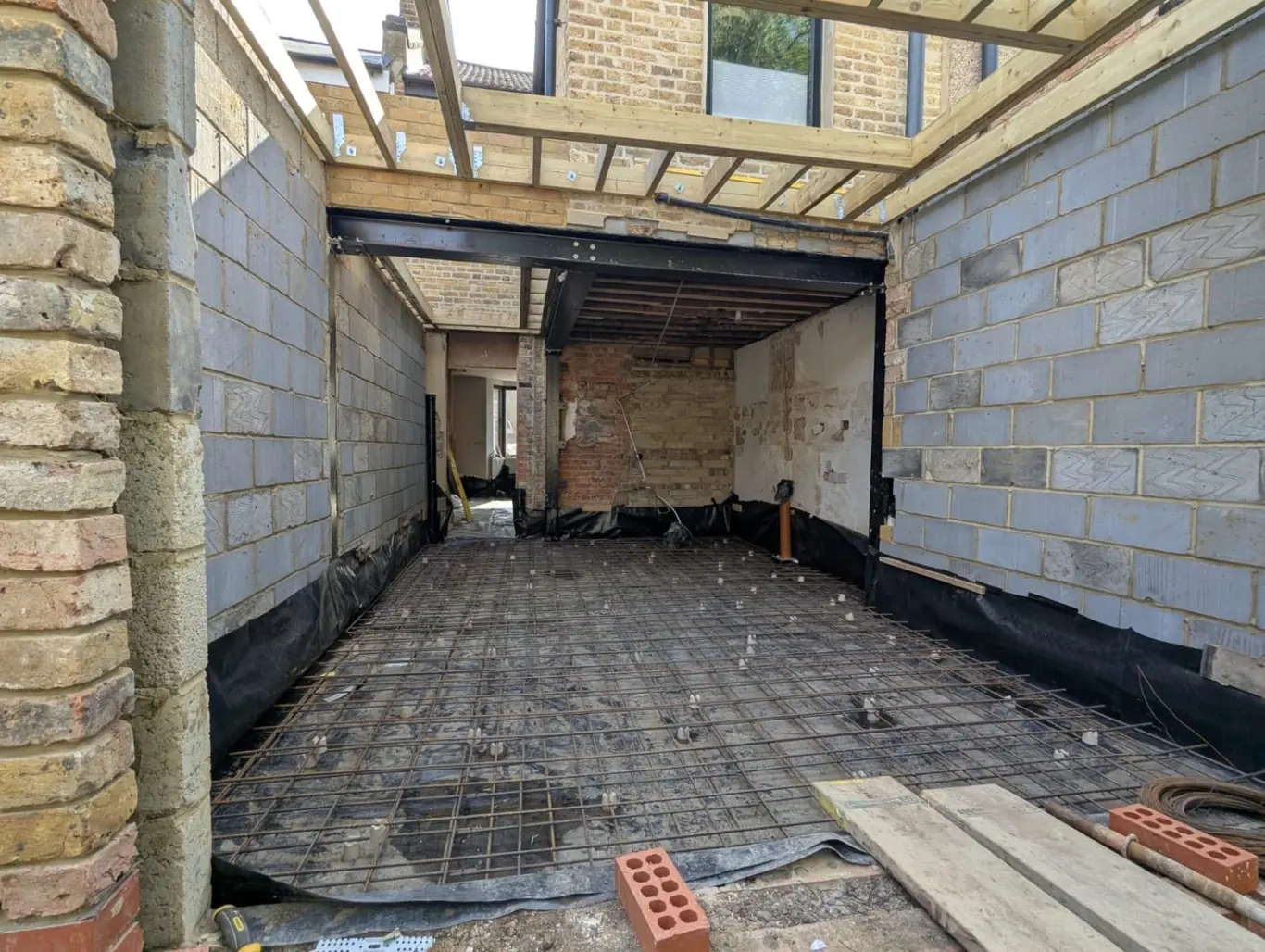
A trustworthy quote breaks the cost into its parts. A realistic 2026 breakdown for a London rear or wraparound extension:
| Element | 2026 London figure |
|---|---|
| Design and professional fees | 8 to 15% of build cost |
| Planning application (if needed) | £548 householder, or £249 prior approval (England, from April 2026) |
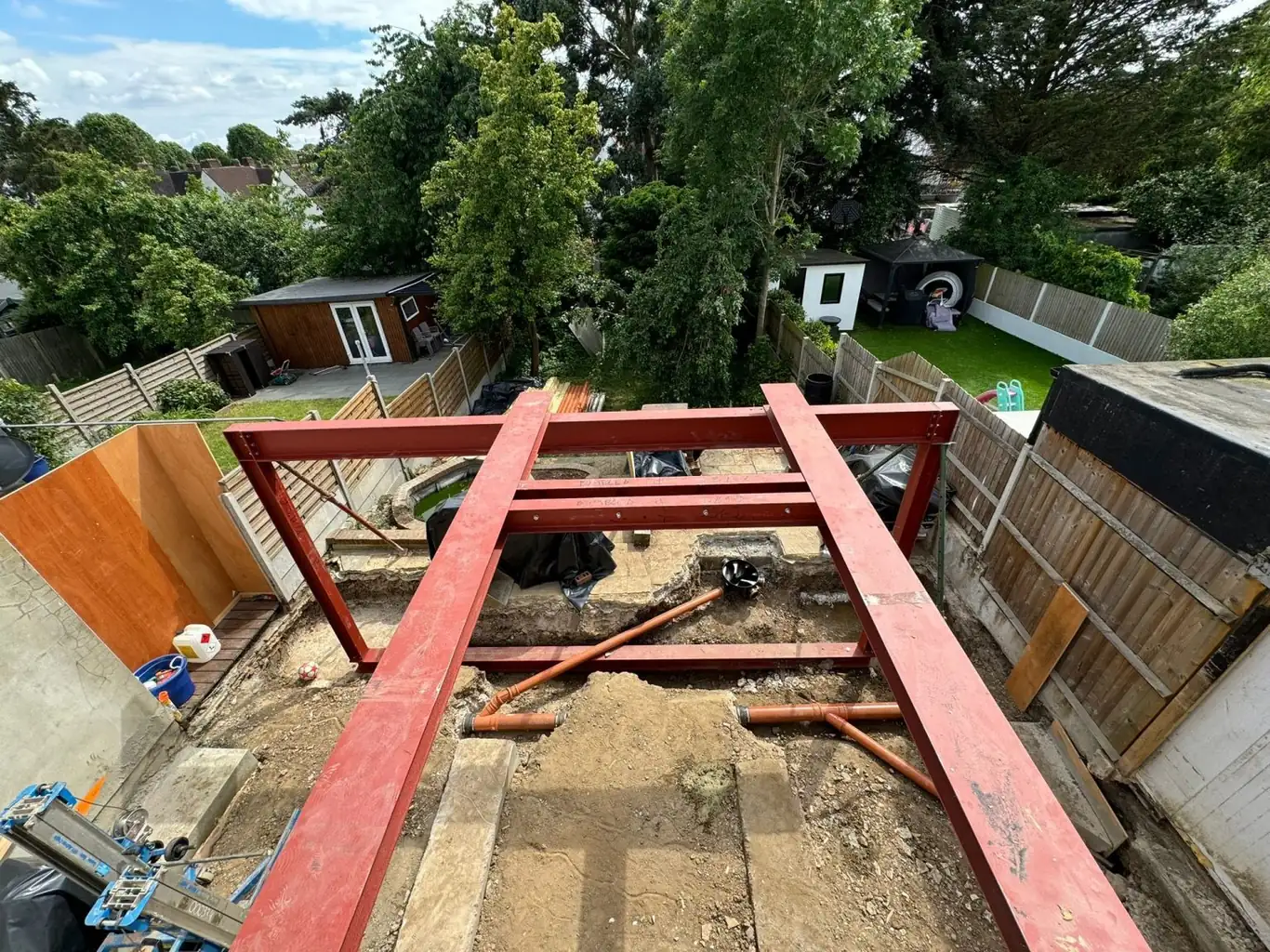
| Structural engineer and steel | £1,000 to £3,000 fees; more steel for wraparound and double-storey |
| Construction shell | the largest single cost, scaling with footprint |
| Roof (flat or pitched) | pitched adds roughly £4,000 to £7,000 |
| Glazing (lantern, bifolds, sliders) | £4,000 to £15,000+ |
| Foundations | London clay or trees can require deeper, costlier foundations |
| Party wall surveyors (per neighbour) | £800 to £1,500 agreed; up to £3,500 if separate surveyors |
| Building control | £800 to £1,500 |
| VAT | 20% on the whole project |
| Contingency | 10 to 20% of the total |
The roof choice is a real lever on both cost and light, and our guide to flat versus pitched roofs explains the trade-off. For help judging whether a quote is realistic and complete, read our guide to getting a realistic builder’s quote.
What drives a rear or wraparound extension’s cost up or down?
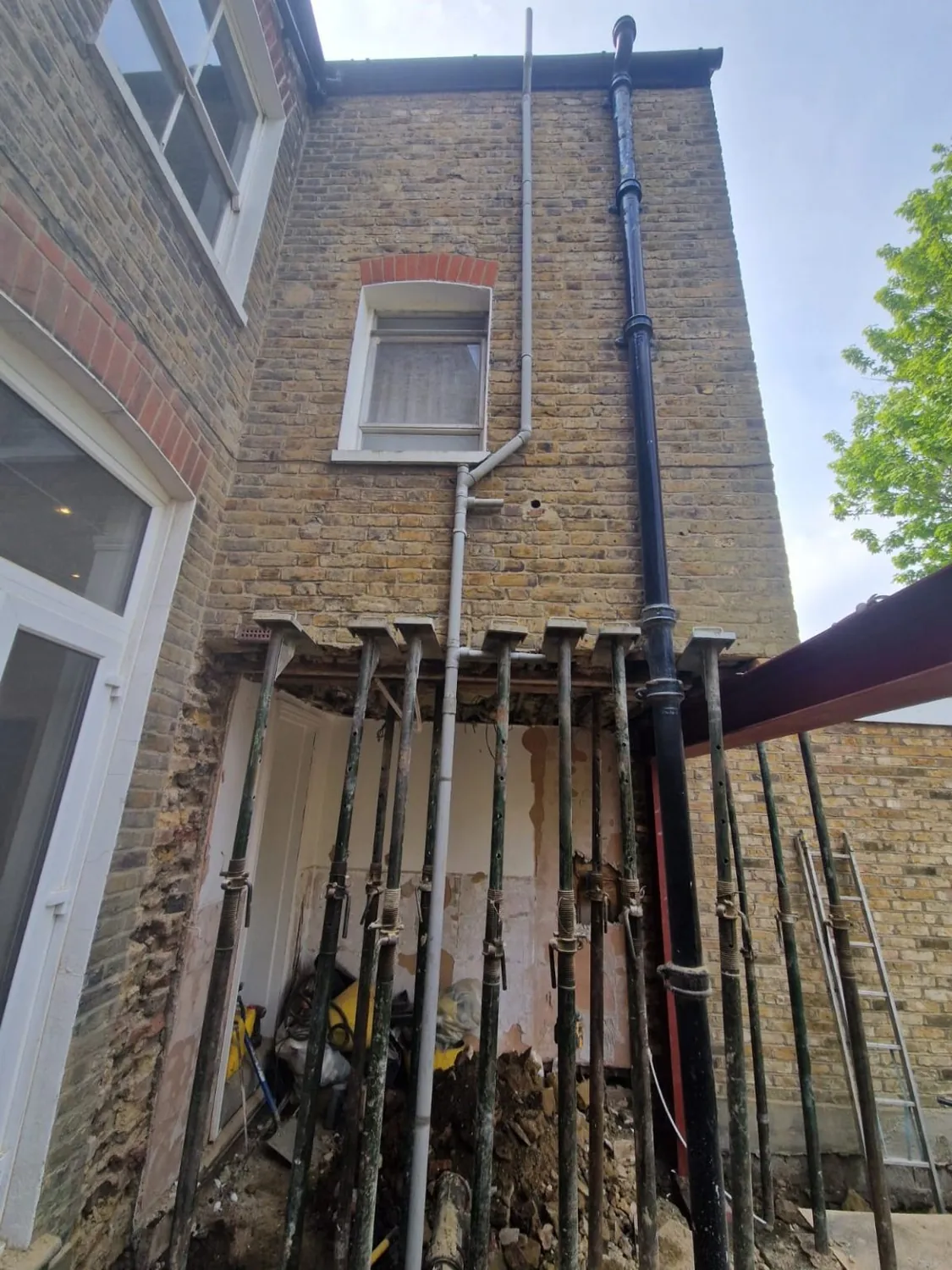
The largest swings come from size and shape, then specification. Costs rise with greater depth, going double-storey, the corner complexity of a wraparound, extensive or structural glazing, poor ground or deep foundations, difficult site access on a terrace, and premium finishes. Costs fall with a simple rectangular footprint, aligned walls between floors on a double-storey (which need less steel), a flat roof, standard glazing, good access, and mid-range finishes. A single agreed party wall surveyor rather than two separate ones also keeps the cost down. If you are building a kitchen-diner, the kitchen itself is a substantial separate cost, covered in our guide to kitchen extension costs.
Do I need planning permission for a rear extension?
Often a single-storey rear extension is permitted development within the 3 or 4 metre depth limits, or up to 6 or 8 metres under the Larger Home Extension prior-approval scheme. A wraparound or a double-storey rear usually needs full planning permission, and conservation areas or Article 4 directions, common in London, can remove permitted development rights entirely. Flats have no permitted development rights. Before you assume, check your address with our permitted development and Article 4 checker and confirm with your council. Where permission is needed, budget the fee and an eight to twelve week determination period.
Real rear and wraparound projects we have completed in London
Build Team has completed more than 1,000 ground-floor extensions across 32 London boroughs, over 560 of them at rear-extension scale of 30 m² or more. Seeing real sizes is the clearest way to picture what your budget buys. A sample of completed projects:
| Plan | Street | Area | Size | Roof |
|---|---|---|---|---|
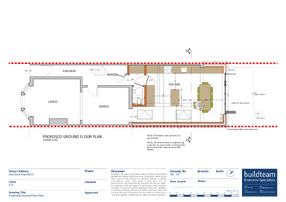 |
Glenfield Road | W13 (West Ealing) | 32 m² | Slate & Velux |
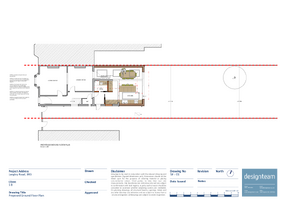 |
Langley Road | BR3 (Beckenham) | 38 m² | Slate & Velux |
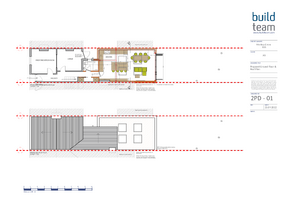 |
Manbey Grove | E15 (Stratford) | 45 m² | Slate & Velux |
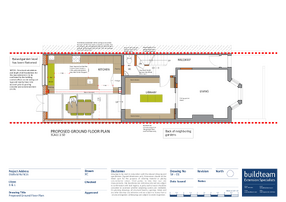 |
Oldfield Road | N16 (Stoke Newington) | 52 m² | Slate & Velux |
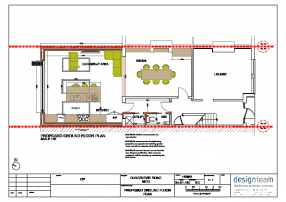 |
Duncrievie Road | SE13 (Lewisham) | 60 m² | Flat roof |
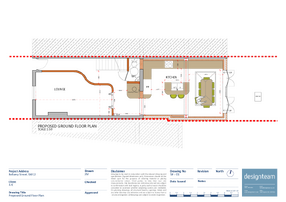 |
Bellamy Street | SW12 (Balham) | 70 m² | Slate & Velux |
You can browse more completed rear and wraparound extensions, with drawings and photographs, in our design and planning database, filterable by borough and extension type.
Does a rear or wraparound extension add value?
Usually, and often more than it costs. Nationwide’s research found that adding usable floor space adds around 5% to the value of a typical home for every 10% of extra floor area, rising to as much as 24% where an extension adds a bedroom and a bathroom too. London extension specialists report that a wraparound commonly adds £100,000 to £150,000 or more to the right property, frequently more than the project costs. Set against the average London house move, which now costs around £32,786 in stamp duty, fees and removals with no extra space to show for it, building the extension you want is usually the better investment. The main caveat is the local ceiling price: uplift compresses once a home is worth more than others on its street. If you are working out how to pay for the work, see our guide to funding and budgeting a home extension.
How to get a realistic rear extension quote
For a quick estimate based on your size and specification, use our online extension cost calculator. For a fixed price tailored to your home, book a free design and planning consultation and we will give you a clear, itemised quote before any work begins. When you compare quotes, check that each one is fixed rather than an estimate, itemised line by line, and clear about what is excluded, so you are comparing builders on the same basis.
Frequently asked questions
How much does a rear extension cost in London in 2026?
About £80,000 to £150,000 all-in for a typical single-storey rear of 15 to 30 m², at roughly £2,800 to £5,500 per square metre, including the build, glazing, fees and 20% VAT.
How much does a wraparound extension cost?
About £90,000 to £170,000 or more in London. A wraparound costs 15 to 25% more than a simple rear extension because it needs more steel, roof and glazing, and it almost always requires full planning permission.
Is a double-storey extension cheaper than two single-storey extensions?
Per square metre, yes. A double-storey shares its foundations and roof across both floors, so it delivers roughly twice the floor area for about 50 to 70% more than a single-storey of the same footprint.
How big can a rear extension be without planning permission?
Up to 3 metres deep on a terraced or semi-detached house, or 4 metres detached, under permitted development, and up to 6 or 8 metres under the Larger Home Extension prior-approval scheme. Conservation areas and Article 4 directions can remove these rights.
Why is a bigger extension cheaper per square metre?
Because the fixed costs, design, foundations, the structural opening, roof and fees, barely change with size, so spreading them over a larger floor area lowers the cost per metre.
How long does a rear extension take to build?
Most single-storey rear extensions take around 12 to 18 weeks on site, with wraparounds and double-storeys taking longer, plus design and planning time beforehand.
Planning a rear or wraparound extension?
Build Team is a London design and build extension specialist, trusted by more than 1,750 London homeowners, with over 560 completed rear-scale extensions across the city. Book a free consultation for a fixed price, or get an instant estimate for your home.
Or call 020 7495 6561 · email hello@buildteam.com