To get accurate quotes from builders, give every builder the same detailed drawings, structural details and written specification, then ask each for a fixed, itemised price on that exact scope. A builder can only price what is drawn and described. Vague plans produce vague quotes, and the gaps come back later as extras.
How do you get accurate quotes from builders?
Accurate quotes start with a fully defined project. Before you ask anyone to price your extension, you need measured drawings, a structural engineer’s details for beams and foundations, and a written specification covering finishes, glazing and heating. With all of that in hand, each builder prices the same job instead of guessing.
A site visit matters as much as the drawings. A builder who walks round your house can check access, the condition of the existing walls, the route of the drains and where skips and materials will go. A quote written from drawings alone misses what a visit reveals, and those missed items tend to reappear once work starts.
Be open about your budget. Sharing a figure does not inflate the price. It lets a good builder tell you what is achievable for the money and where sensible compromises lie, before you pay to design something you cannot afford.
What should a builder’s quote include?
A detailed builder’s quote breaks the price into its parts rather than showing one lump sum. Ask for a quotation that itemises:
- Preliminaries: site set-up, scaffolding, skips, welfare and protection of your home.
- Demolition and groundworks, including foundations and drainage.
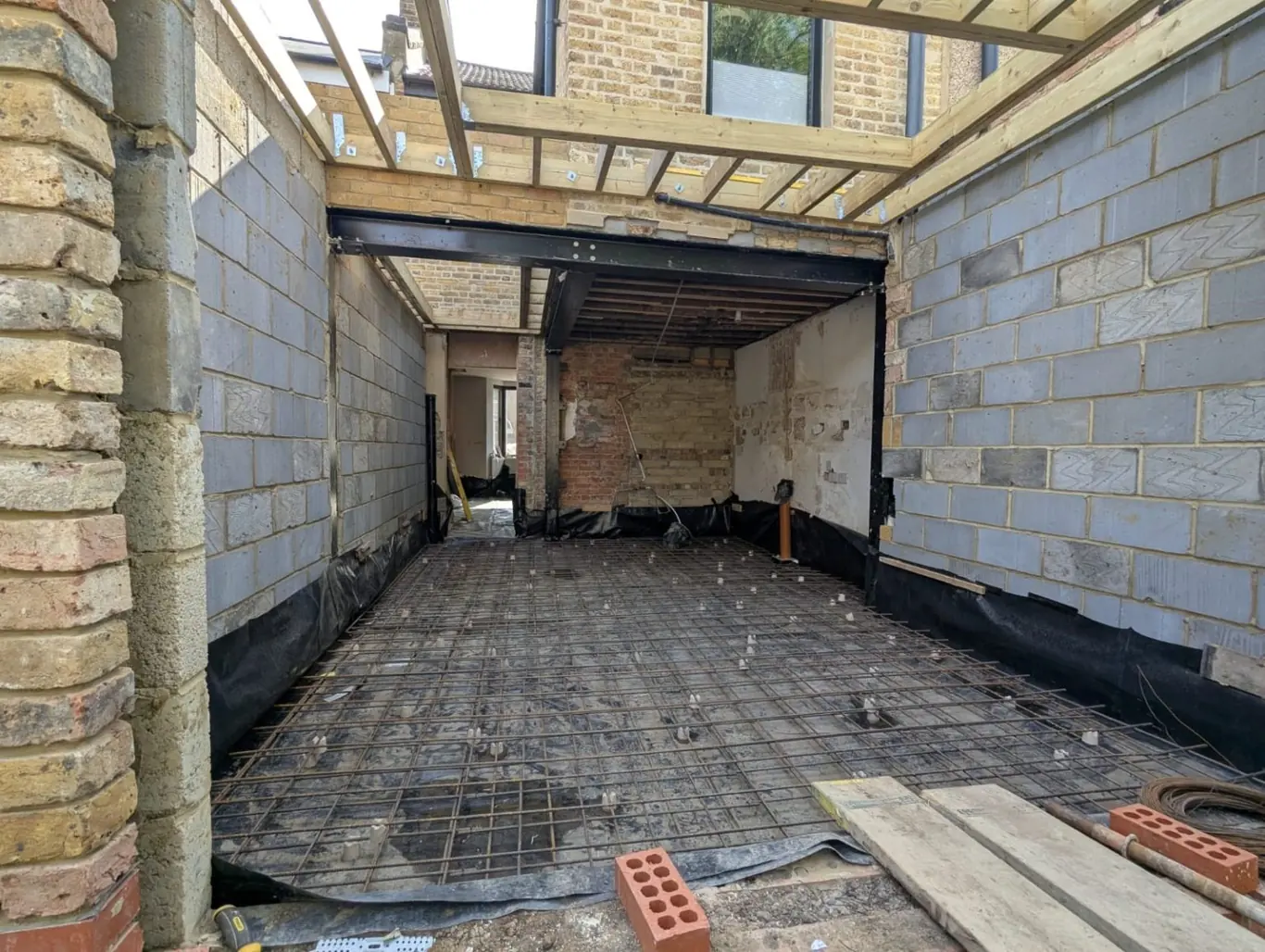
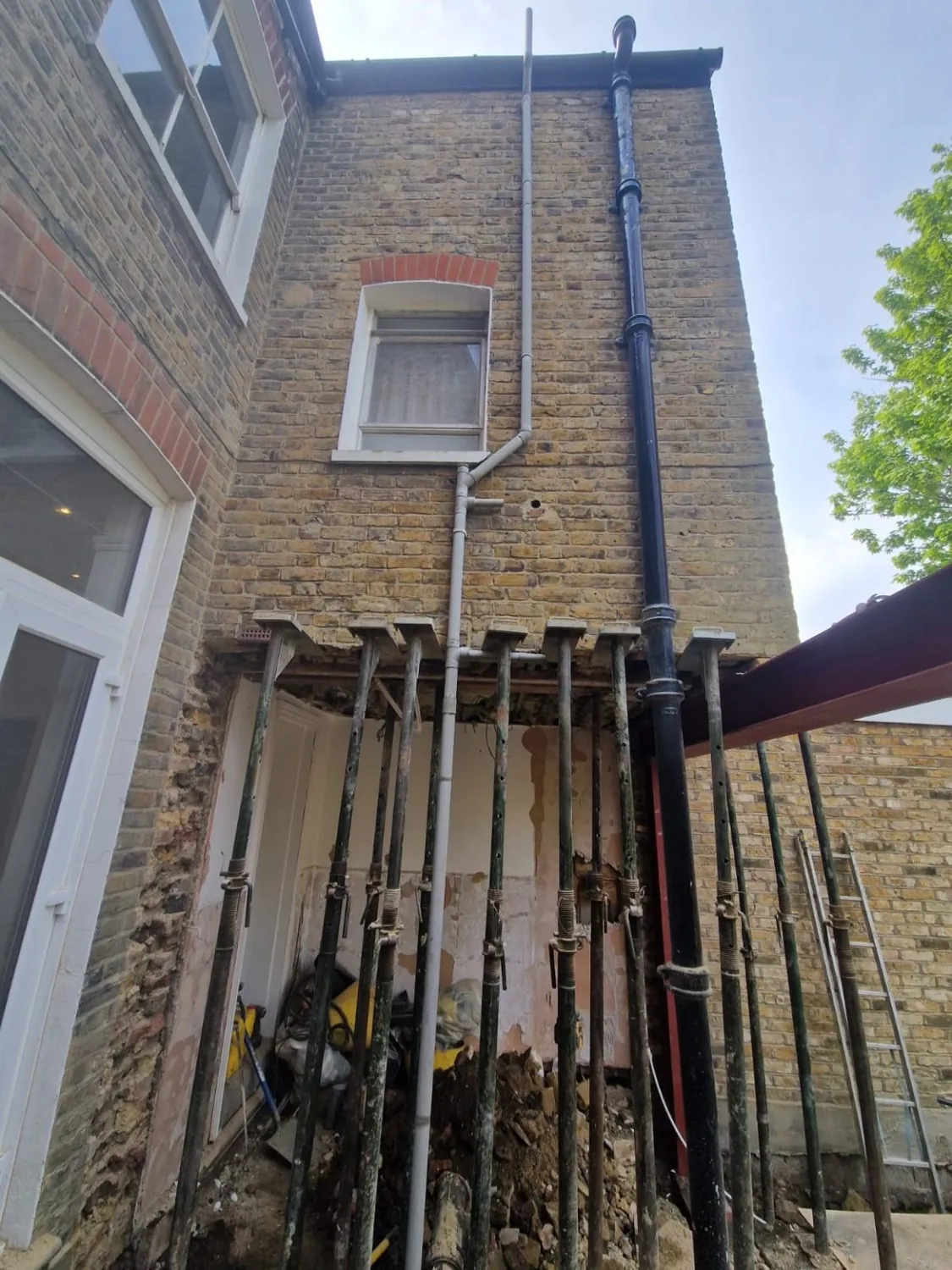
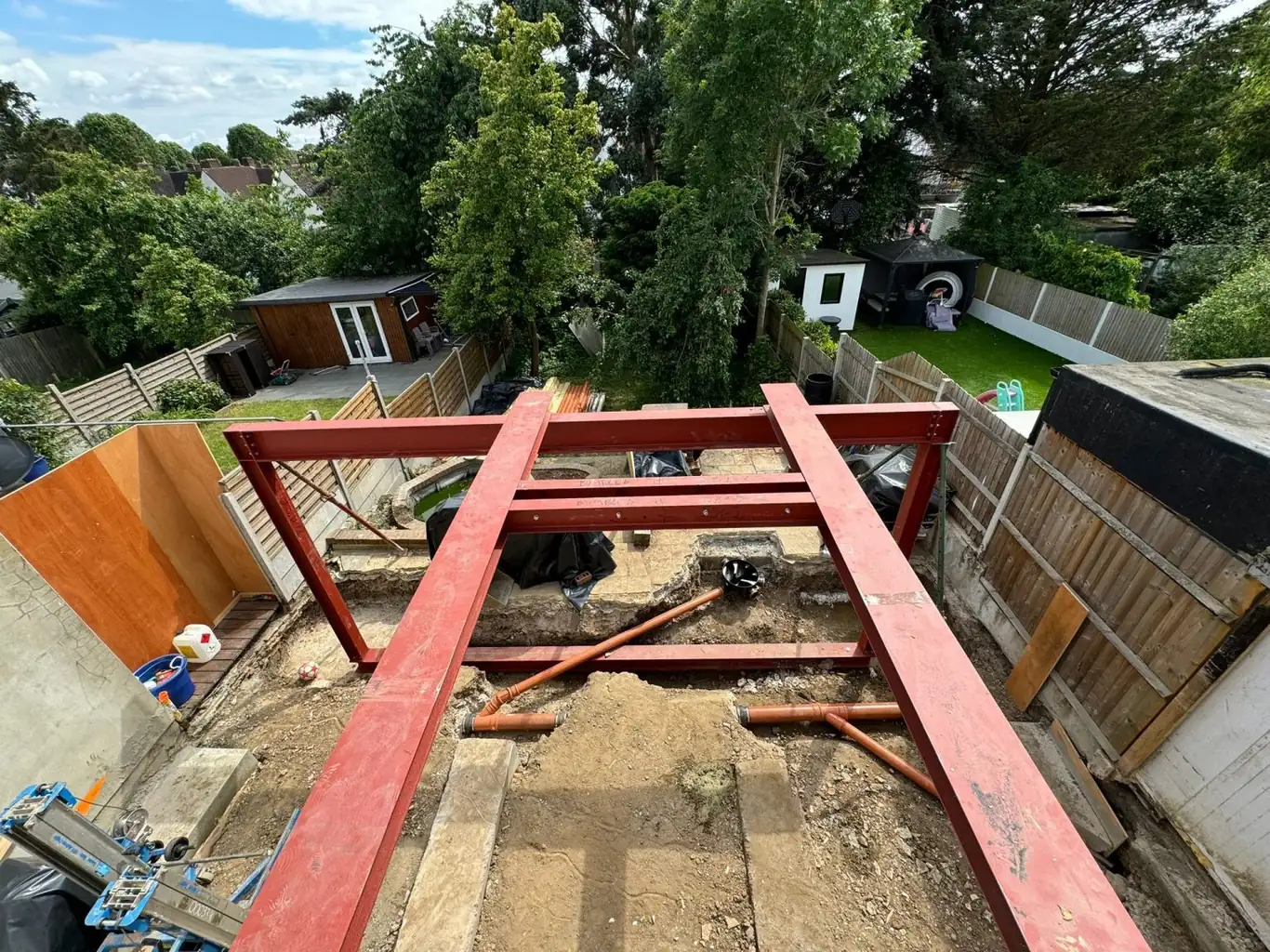
- Structure: steel beams, padstones and any temporary propping.
- Walls, roof, insulation and waterproofing.
- Windows, doors and rooflights, with the product or supplier named.
- First and second fix for plumbing, heating and electrics.
- Plastering, flooring and decoration, with the finish level stated.
- VAT, shown clearly, and confirmation that the builder is VAT registered.
- Payment stages, programme dates and how long the price is valid.
An itemised quote also gives you a reference point during the build. If a question comes up about what was agreed, both sides can check the line item rather than relying on memory.
Fixed price, provisional sums and PC items: what’s the difference?
A fixed price is a committed figure for the work described in the contract. It should only change if you change the work, through a written variation that you agree before the extra work is done. An estimate is a rough figure that can move during the build, so it gives you far less protection.
A provisional sum is an allowance for work that cannot be fully defined yet, such as drainage or ground conditions. It is settled at the actual cost once the work is exposed and done. Check each provisional sum is realistic, because a low allowance makes the headline price look better than it is.
A prime cost (PC) item is an allowance for a product you have not chosen yet, such as tiles, sanitaryware or kitchen units. If you pick something dearer than the allowance, you pay the difference. Ask what each PC sum would buy, so the allowance matches your taste and not a builder’s merchant basic.
What do builders’ quotes usually leave out?
Exclusions are where quotes that look cheaper often hide the difference. Ask every builder to list them in writing. Items commonly left out include:
- Planning, building control and party wall fees.
- Architect’s and structural engineer’s fees.
- Kitchen units, appliances and bathroom fittings.
- Landscaping, garden walls and making good outside.
- Any work to the existing house beyond the extension itself.
A quote that excludes more will always look lower. Add the excluded items back in before you compare totals, or you will be choosing the builder who left the most out.
How do you compare quotes like for like?
Compare quotes line by line, not by the bottom figure. Put the main items from each quote side by side and look for gaps. One builder may include drainage, another may cover it with a small provisional sum, and a third may exclude it.
Ask each builder about any difference you find. A large gap usually has a reason, such as a different specification, a missed item or a different view of the structural work. Getting three quotes on the same drawings gives you enough to see the pattern without wasting everyone’s time.
Give builders time to price properly. A detailed, itemised quote for an extension takes real work, and a builder rushed into a figure will either guess low or pad the price to cover the unknowns. Set the same return date for everyone, so all three are pricing on equal terms.
Remember to budget for a contingency on top of the quote. Older London houses often reveal surprises once walls and floors are opened up, and a contingency stops one of those from derailing the project. Ask your builder what level suits the age and condition of your home.
What are the red flags in a builder’s quote?
The biggest worry for most homeowners is a price that climbs once the builder is on site. These warning signs make that more likely:
- A single lump sum with no breakdown.
- A figure well below the other quotes on the same drawings.
- Low or vague provisional sums and PC items.
- No written contract, no programme and no payment schedule.
- A request for a large deposit before work starts, or for payment in cash.
- No price validity period and no clarity on VAT.
Pay in stages tied to completed work, such as foundations, a watertight structure and final completion. Hold the final payment until the work is finished and building control has signed it off.
What should you ask a builder before accepting a quote?
A good price from an unreliable firm is no bargain, so check the builder as carefully as the figure. Ask each builder on your shortlist:
- Can I see recent projects of this type and speak to those clients?
- Is the price fixed, and what exactly is excluded?
- Will your own team do the work, or subcontractors, and who supervises them?
- What is the programme, and what happens if it runs over?
- What is the payment schedule, and when is each stage due?
- Do you hold public liability insurance, and can I see the certificate?
- What guarantee do you give on the finished work?
If a builder says they belong to a trade body such as the Federation of Master Builders or TrustMark, check the listing on that body’s own website before you sign. Note the answers in writing, so you compare the builders as well as their prices.
Who provides detailed quotes before starting a project?
A design and build company like Build Team provides a detailed build quote once the design is complete. The price is then based on finished drawings rather than an early guess. Splitting the work into two stages is what makes the quote reliable.
Our design phase comes first and is charged as a fixed design fee. The Ready to Build design fee starts from £3,995 + VAT for a ground floor extension and £2,995 + VAT for a loft conversion. Ask us what the fee covers for your project before you commit.
In the build phase, we price the construction from the finished design and agree a fixed price with you before work starts, with an itemised breakdown and staged payments. Because one company is responsible for both design and build, there is no gap between what the architect drew and what the builder priced. Our guide on design and build versus the traditional route explains the trade-offs.
Our work carries a 3-year structural guarantee plus 2 years’ defects liability. For a sense of what extensions cost before you get a quote, read how much an extension costs in London.
Frequently asked questions
How many builder quotes should I get?
Three is usually enough. Give each builder the same drawings and specification, so the quotes can be compared fairly.
Should I always choose the cheapest quote?
No. A quote well below the others often means items are missing, allowances are too low or the price will be varied up later. Compare what is included before comparing totals.
Can a builder increase a fixed-price quote?
Only for agreed variations or when provisional sums and PC items settle at their actual cost. A builder should not raise the price for work already in the contract without your written agreement.
What is the difference between a quote and an estimate?
A quote is a firm price for defined work, while an estimate is an approximate figure. An estimate can change during the build, so ask for a fixed quote before you sign.
Book a free consultation to talk through your extension and how we price it.